
Travel to Netherlands
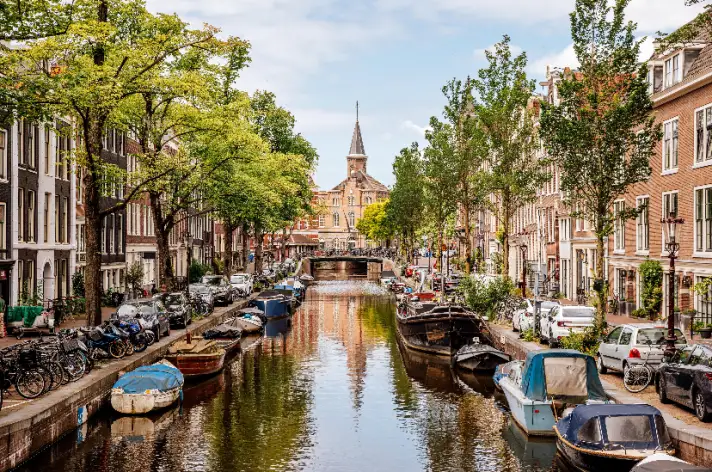

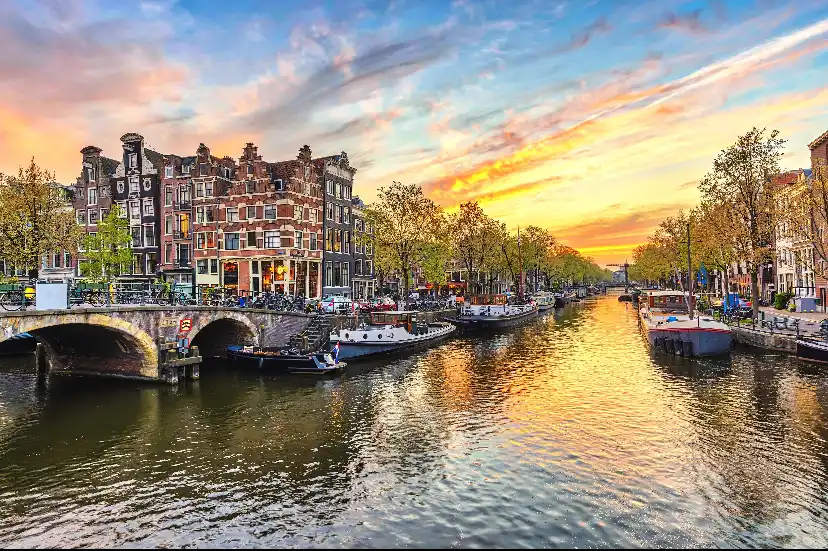
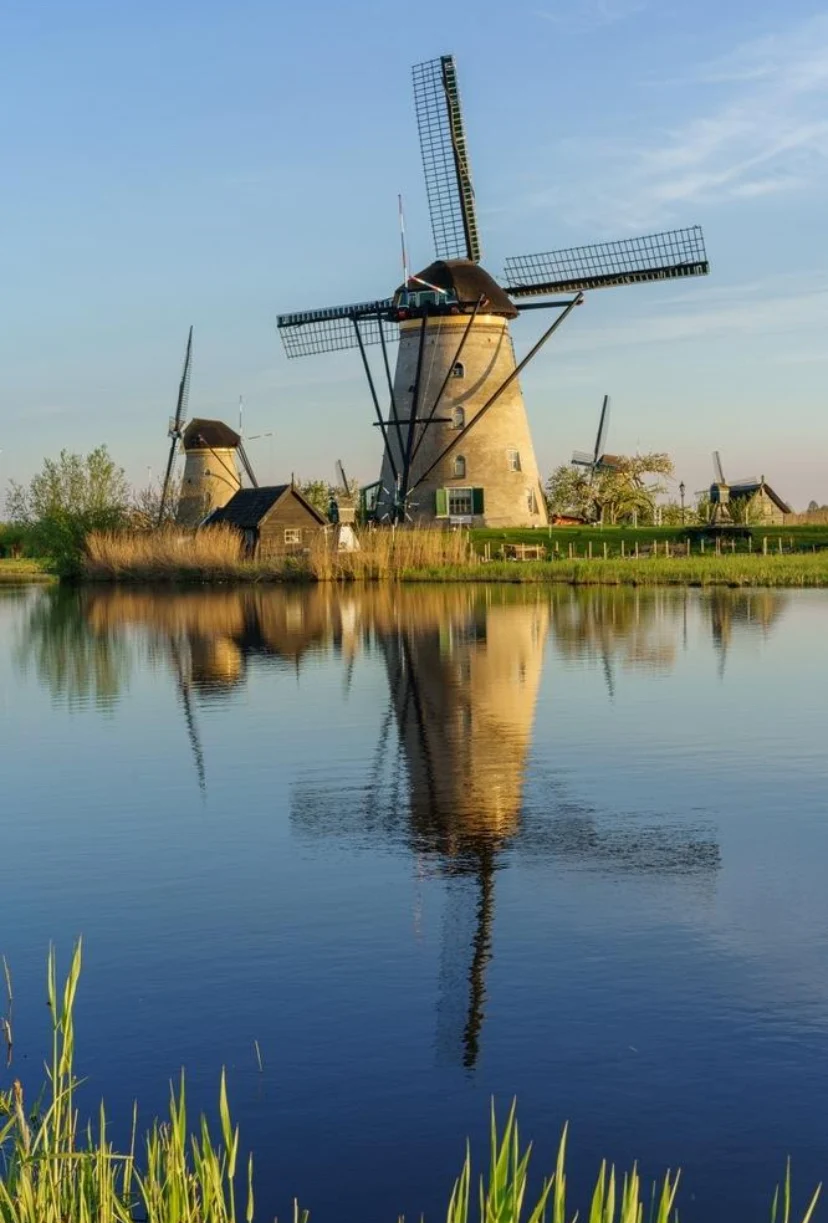 4 photos
The Netherlands is a country located in Western Europe, bordered by Germany to the east, Belgium to the south, and the North Sea to the northwest. Known for its canals, windmills, tulip fields, and cycling culture, the Netherlands is one of the most developed and prosperous countries in the world. It covers an area of approximately 41,500 square kilometers and has a population of over 18 million people.
The capital city is Amsterdam, famous for its historic canals, museums, and vibrant cultural scene. However, the seat of government is located in The Hague, where the Dutch parliament, supreme court, and royal offices are based. This unique arrangement makes the Netherlands one of the few countries where the capital and governmental center are different cities.
The history of the Netherlands dates back many centuries. During the seventeenth century, often called the Dutch Golden Age, the country became a major maritime and trading power. Dutch merchants established trade networks around the world, and cities such as Amsterdam became among the wealthiest in Europe. The country also made significant contributions to art, science, and exploration during this period.
Today, the Netherlands is a constitutional monarchy with a parliamentary democracy. The Dutch monarch serves as the head of state, while elected officials govern the country. The nation is known for its stable political system, strong economy, and commitment to social welfare and human rights.
The Dutch economy is one of the largest in Europe. It is highly developed and relies on international trade, finance, technology, agriculture, and transportation. The Port of Rotterdam is one of the busiest ports in the world and serves as a major gateway for goods entering Europe. Despite its relatively small size, the Netherlands is one of the world’s leading exporters of agricultural products, thanks to advanced farming techniques and innovation.
The official language is Dutch, although English is widely spoken throughout the country. Many residents also speak German and French. The Netherlands is known for its multicultural society and has attracted people from many different backgrounds over the years.
The country’s landscape is unique because much of it lies at or below sea level. The Dutch have developed sophisticated systems of dikes, canals, and pumping stations to manage water and protect land from flooding. Large areas of reclaimed land, known as polders, have been created through engineering projects that transformed parts of the sea into usable farmland and settlements.
Tourism plays an important role in the economy. Visitors are drawn to attractions such as the historic canals of Amsterdam, the colorful tulip gardens of Keukenhof, and the famous windmills of Kinderdijk. The country also has numerous museums, including those dedicated to renowned artists such as Vincent van Gogh and Rembrandt.
In conclusion, the Netherlands is a dynamic and innovative nation known for its rich history, economic strength, engineering achievements, and cultural heritage. Its blend of historic charm and modern development makes it one of Europe’s most influential and attractive countries.
Hotels in Netherlands
 Rijksmuseum
The Rijksmuseum is the national museum of the Netherlands and one of the world’s leading institutions for Dutch art and history. Located in Amsterdam’s Museumplein district, it is best known for masterpieces by Rembrandt, Vermeer, Frans Hals, and Van Gogh, while also presenting more than 800 years of Dutch cultural history. The museum is consistently among the most visited cultural attractions in the Netherlands, attracting well over two million visitors annually in recent years. Visitors explore permanent galleries, temporary exhibitions, educational programs, a research library, and a landscaped garden surrounding the main building. The museum is open daily and uses timed-entry tickets to manage attendance. The Rijksmuseum plays a central role in preserving and presenting Dutch heritage. Major exhibitions have drawn international attention, including the landmark 2023 Vermeer exhibition, which attracted hundreds of thousands of visitors and became the most visited exhibition in the museum’s history. The institution also maintains extensive digital collections and research initiatives that make artworks accessible worldwide.
 Anne Frank’s House
The Anne Frank House is a museum and historic canal house in Amsterdam that preserves the hiding place where Anne Frank, her family, and others lived in secret during the Nazi occupation of the Netherlands in World War II. It is one of the Netherlands’ most visited historical sites and serves as both a memorial to Anne Frank’s life and a center for education about the Holocaust, discrimination, and human rights. The museum preserves the hiding place while presenting Anne Frank’s story through photographs, quotations, videos, historical documents, and original artifacts. The atmosphere is intentionally subdued, allowing visitors to reflect on the realities of wartime persecution and the personal experiences recorded in Anne’s diary. Located on the Prinsengracht canal, the building contains the Secret Annex hidden behind a movable bookcase, where Anne Frank spent more than two years in hiding before the occupants were discovered in 1944. Anne’s diary, written during this period, became one of the world’s most widely read accounts of life under Nazi persecution.
 Explore The Canals Of Amsterdam
Take a canal cruise or walk along the historic waterways that have made Amsterdam famous worldwide. The city’s canal ring is a UNESCO World Heritage Site. Amsterdam is the capital city of Netherlands and one of Europe’s most recognizable urban centers. Known for its historic canal network, cycling culture, and centuries-old architecture, it serves as a major hub for commerce, tourism, arts, and international business while maintaining a distinctive human-scale character. Amsterdam is internationally known for its cycling infrastructure, multicultural population, and vibrant cultural scene. Museums, theaters, festivals, cafés, and public spaces contribute to a lifestyle that balances urban activity with accessibility, while the city’s extensive bicycle network makes cycling a primary mode of transportation for many residents.