
Travel to North Macedonia

 4 photos
North Macedonia is a landlocked country located in Southeastern Europe on the Balkan Peninsula. It shares borders with Kosovo to the northwest, Serbia to the north, Bulgaria to the east, Greece to the south, and Albania to the west. Covering an area of approximately 25,700 square kilometers, the country has a population of about 1.8 million people. Despite its modest size, North Macedonia is known for its rich history, diverse culture, and beautiful natural landscapes.
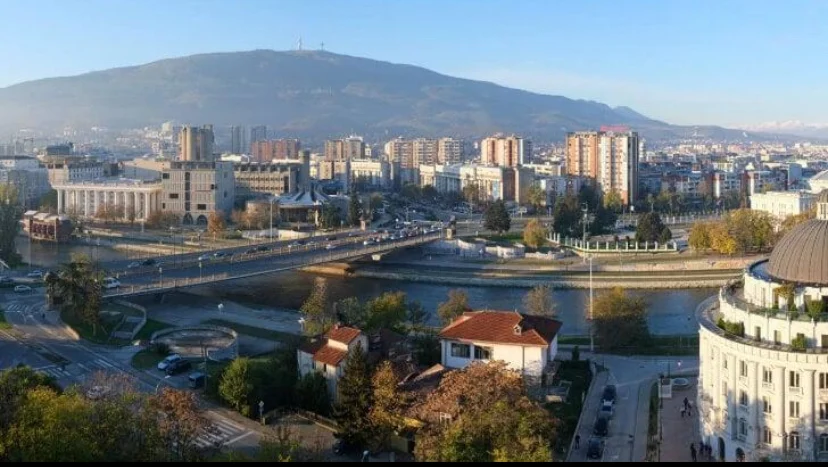
The capital and largest city is Skopje, which serves as the political, economic, and cultural center of the country. Skopje is situated along the Vardar River and features a mixture of modern buildings, Ottoman-era architecture, and historical monuments. The city has undergone significant development in recent decades and remains the heart of national life.
The history of North Macedonia stretches back thousands of years. The region was inhabited by ancient peoples and later became part of various empires, including the Roman, Byzantine, Bulgarian, Serbian, and Ottoman Empires. The territory played an important role in Balkan history and developed a unique cultural identity shaped by centuries of interaction among different civilizations. Following the breakup of Yugoslavia, the country declared independence peacefully in 1991.
For many years, the country was officially known as the Republic of Macedonia. However, a long-standing dispute with Greece over the country’s name was resolved through the Prespa Agreement in 2018, and the nation officially became the Republic of North Macedonia in 2019. This agreement helped improve regional relations and strengthened the country’s international position.
North Macedonia is a parliamentary republic with a democratic political system. It became a member of the NATO in 2020 and continues to pursue closer integration with the European Union.
The economy is based on services, manufacturing, agriculture, and trade. Important industries include food processing, textiles, automotive components, and metal production. Agriculture remains significant, with farmers producing grapes, tobacco, fruits, and vegetables. Wine production is also an important part of the country’s economy and culture.
North Macedonia is home to diverse ethnic and cultural communities. The official language is Macedonian, while Albanian is also widely used, particularly in areas with large Albanian populations. Traditional music, dance, and cuisine reflect influences from the Balkans, the Mediterranean, and the Ottoman period.
One of the country’s most famous attractions is Lake Ohrid, one of Europe’s oldest and deepest lakes. The historic town of Ohrid, located on its shores, is a UNESCO World Heritage Site known for its ancient churches, monasteries, and stunning scenery. Other notable attractions include Matka Canyon, mountain national parks, and archaeological sites that showcase the country’s rich heritage.
In conclusion, North Macedonia is a country with a fascinating history, cultural diversity, and remarkable natural beauty. From the historic streets of Ohrid to the vibrant capital of Skopje, the country offers a unique blend of tradition and modern development, making it an important and distinctive nation in the Balkans.