
Travel to Portugal


 4 photos
Portugal unfolds along the western edge of the Iberian Peninsula like a quiet, confident storyteller,never loud, but always rich with detail. It is a country where history lingers in stone streets and tiled facades, where the Atlantic shapes both landscape and lifestyle, and where tradition and modernity blend without friction. Though small in size, Portugal offers a remarkable diversity of experiences, from sunlit beaches and vineyard-covered hills to cosmopolitan cities and timeworn villages.
At the heart of the country lies Lisbon, a city built on seven hills overlooking the Tagus River. Lisbon feels both nostalgic and alive, where vintage trams rattle through narrow streets while contemporary art galleries and cafes thrive in renovated buildings. The city’s neighborhoods each carry their own personality. Alfama, one of the oldest districts, is a maze of winding alleys and hidden courtyards where the melancholic sounds of Fado drift through the air at night. In contrast, Bairro Alto comes alive after sunset with music, laughter, and a vibrant nightlife scene. Lisbon’s architecture is equally captivating, especially its iconic azulejos ceramic tiles painted in intricate blue and white patterns that decorate buildings across the city. From panoramic viewpoints like Miradouros to historic landmarks such as Belém Tower, the capital effortlessly balances beauty and heritage.
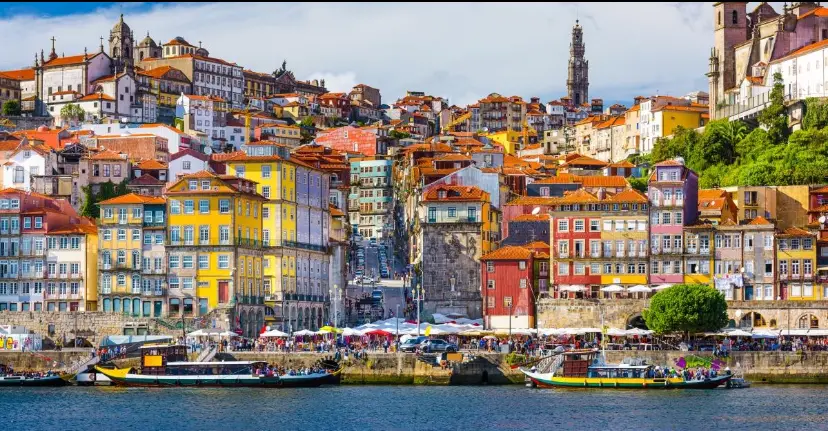
Traveling north, the city of Porto presents a contrasting yet equally compelling character. Built along the Douro River, Porto is known for its terraced hillsides, colorful buildings, and, of course, its association with port wine. The historic Ribeira district is a UNESCO World Heritage Site, where narrow streets lead to riverfront cafes and centuries-old churches. Across the river in Vila Nova de Gaia, wine cellars offer tastings and insight into one of Portugal’s most famous exports. The rhythm of life in Porto feels slightly slower than in Lisbon, but no less vibrant. The city exudes authenticity, where traditions are preserved and daily life unfolds with quiet dignity.
Hospitality in Portugal is genuine and understated. Visitors are often struck by the warmth and openness of the people, who take pride in sharing their culture and traditions. Conversations flow easily, whether in a bustling city or a rural village, and there is a sense of inclusivity that makes travelers feel at home. English is widely spoken, particularly in urban and tourist areas, making it easy for visitors to navigate and engage with locals.
In the end, Portugal is not defined by a single experience but by the harmony of many. It is a place where history and modern life coexist, where landscapes shift from mountains to ocean, and where culture is expressed through food, music, and daily rituals. For travelers seeking authenticity, diversity, and a sense of connection, Portugal offers something rare: a destination that feels both deeply rooted and quietly evolving, inviting exploration without ever losing its soul.
Hotels in Portugal
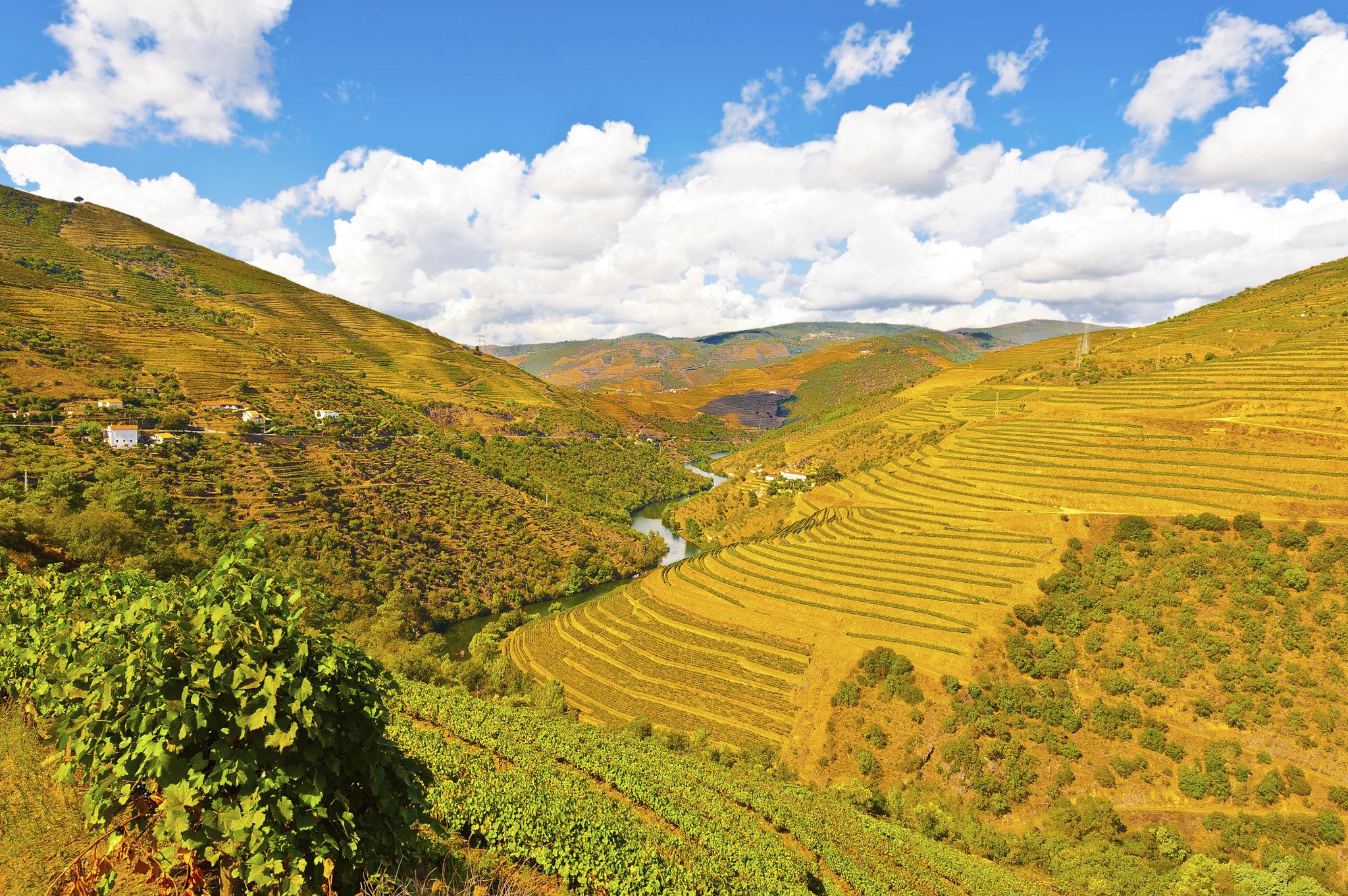 The Douro Valley
The Douro Valley is a renowned wine region in northern Portugal, celebrated for its terraced vineyards along the Douro River. It is one of the oldest demarcated wine regions in the world and the birthplace of Port wine. The area combines dramatic landscapes, centuries-old viticulture, and significant cultural heritage. The Douro Valley follows the course of the Douro River from the Spanish border to the city of Porto. Its steep, terraced slopes are carved into schist soils, creating microclimates ideal for grape growing. The landscape reflects centuries of human adaptation to challenging terrain, with hand-built stone terraces known as socalcos that define its visual identity. Travelers visit for its scenic drives, river journeys, and tastings at family-owned quintas (wine estates). Accessible from Porto by train, boat, or car, the Douro Valley is both a cultural landmark and a living agricultural system that continues to define Portuguese identity.
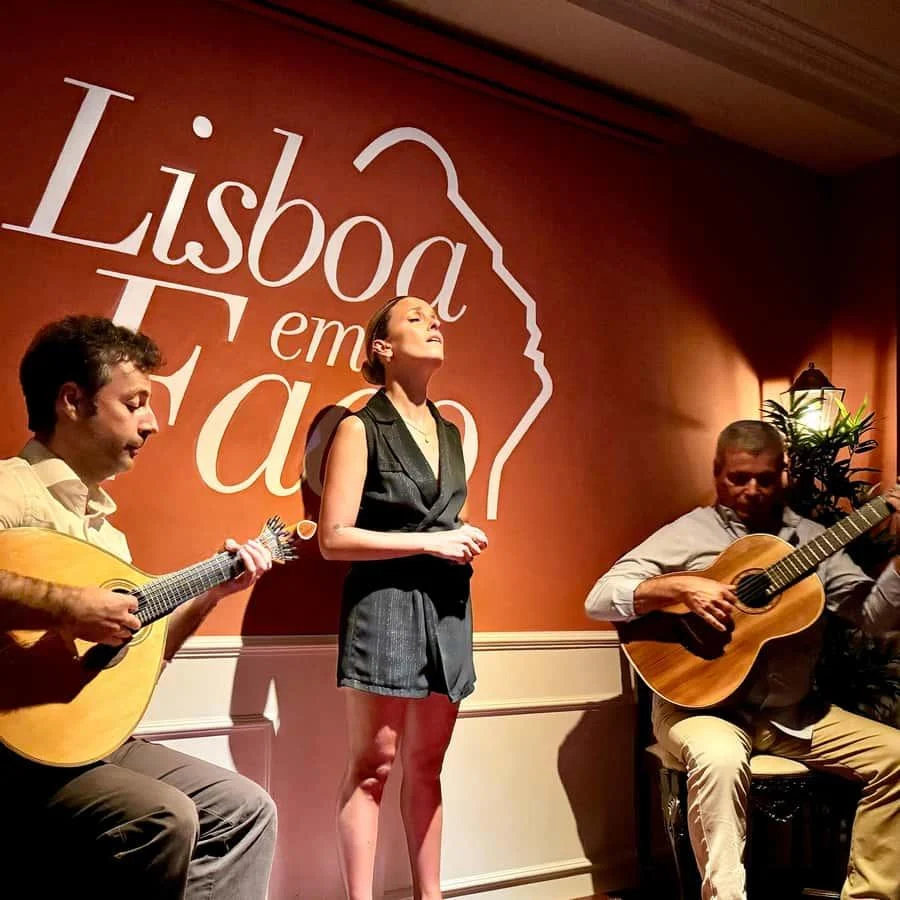 Listen To Traditional Fado Music
Fado is a traditional Portuguese music genre characterized by melancholic melodies and deeply emotional lyrics that express saudade, a sense of longing, nostalgia, and fate. Originating in 19th-century Lisbon’s working class districts, it has become a defining symbol of Portugal’s cultural identity and is recognized by UNESCO as Intangible Cultural Heritage of Humanity. Traditional fado features a solo singer accompanied by classical guitar (viola) and the Portuguese guitar, a pear-shaped twelve-string lute. Performances unfold in intimate “casas de fado,” where silence and emotion are central to the experience. The songs, often improvised, explore love, loss, and destiny through poetic verses and dramatic phrasing.
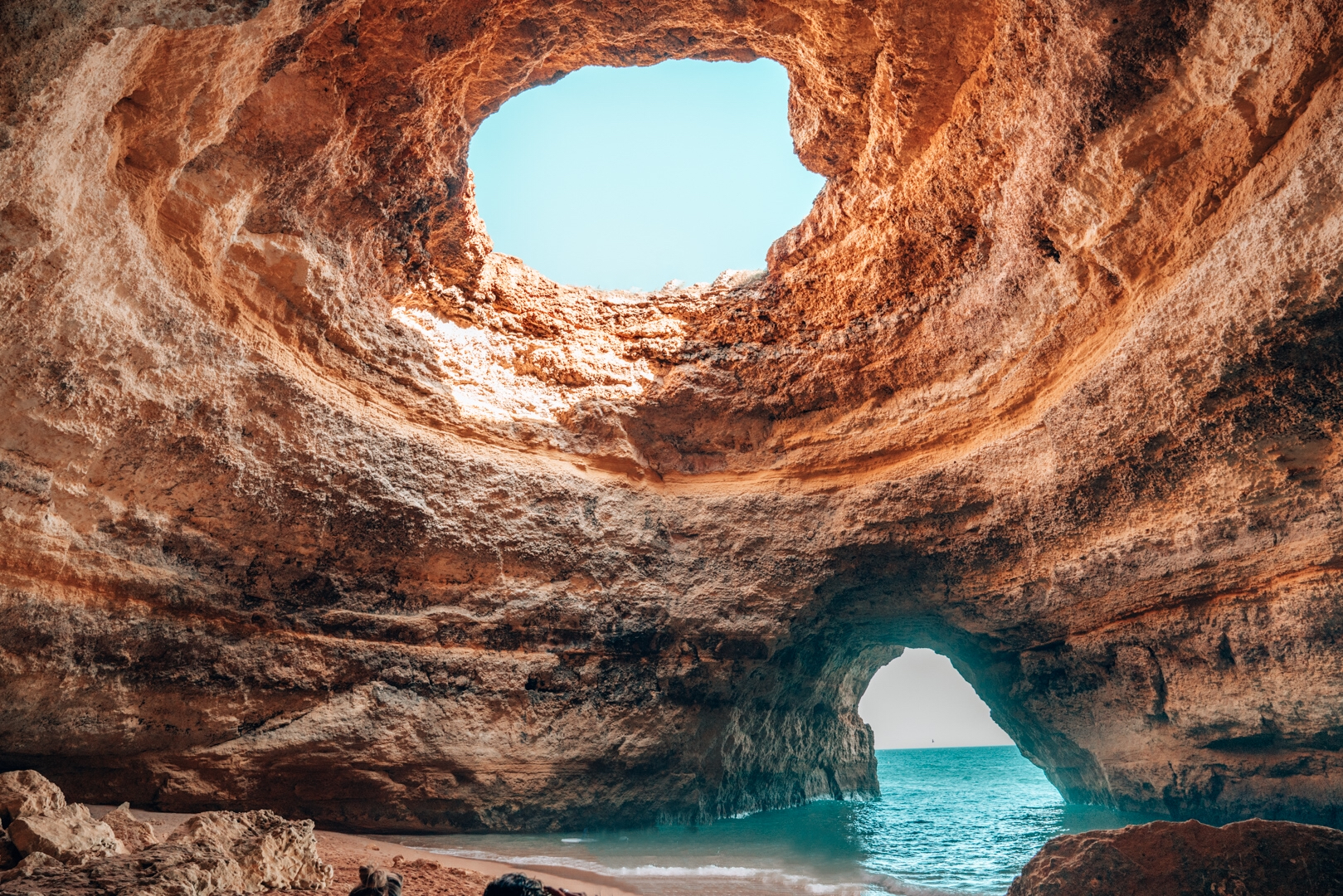 Visit Beaches In Lagos
Lagos is a coastal city in the Algarve region of southern Portugal, renowned for its historic charm, scenic cliffs, and pristine Atlantic beaches. Once a prominent maritime center during Portugal’s Age of Discovery, it is today a major holiday destination combining cultural heritage with resort leisure. Located along the western Algarve, Lagos combines dramatic sea cliffs, sandstone grottoes, and golden beaches such as Praia Dona Ana and Ponta da Piedade. The city overlooks the Bensafrim River and Lagos Bay, protected by a 16th-century fort at the harbor entrance. Its Mediterranean climate brings hot, dry summers and mild winters, making it attractive year-round. The walled Old Town hosts cobblestoned lanes, museums, and cultural sites such as the Mercado de Escravos (Europe’s first slave market, now a memorial museum) and the Museu Municipal Dr. José Formosinho with regional art and archaeology. Annual festivals celebrate maritime history, crafts, and Portuguese cuisine, while local nightlife clusters around the marina and Rua 25 de Abril.
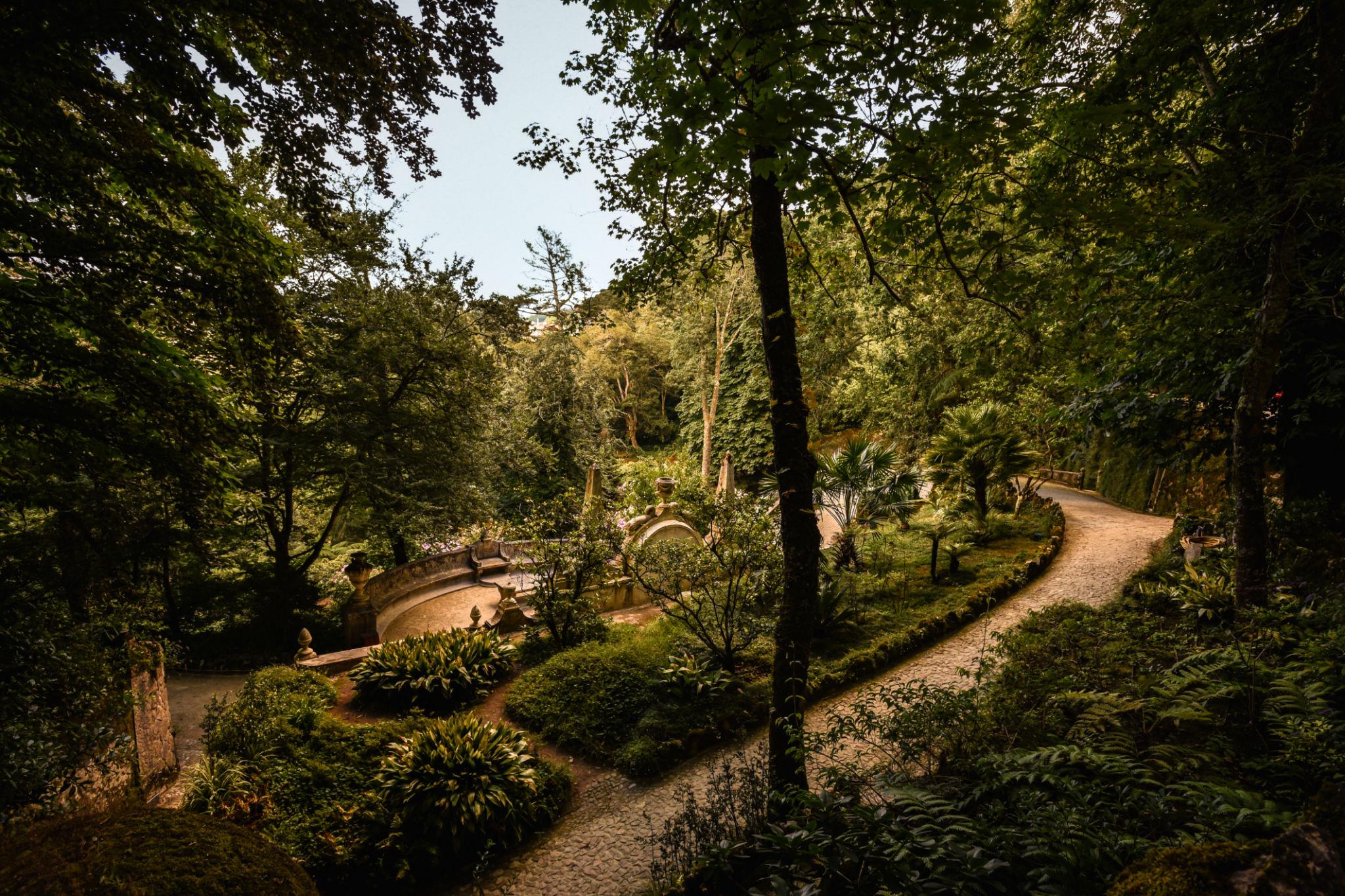 Mystical Quinta Garden
Quinta da Regaleira is a historic estate and architectural complex in Sintra, known for its eclectic mix of Gothic, Renaissance, and Manueline styles. A UNESCO World Heritage Site component, it’s celebrated for its romantic gardens, symbolic architecture, and the enigmatic Initiation Well. The estate reflects Portugal’s fin-de-siècle fascination with mysticism and esoteric symbolism. Quinta da Regaleira was commissioned by Carvalho Monteiro, a wealthy Portuguese entomologist and collector, and designed by Italian architect Luigi Manini. The estate combined Romantic and neo-Manueline aesthetics, blending architectural fantasy with natural landscape. Its design integrates mythological, Masonic, and alchemical motifs into both structures and gardens, embodying an allegory of spiritual enlightenment. Today, Quinta da Regaleira is a major cultural and tourist attraction managed by the Sintra municipality. It epitomizes the Romantic ideals that shaped Sintra’s identity and continues to attract visitors for its architecture, mysterious atmosphere, and role in Portuguese cultural heritage.
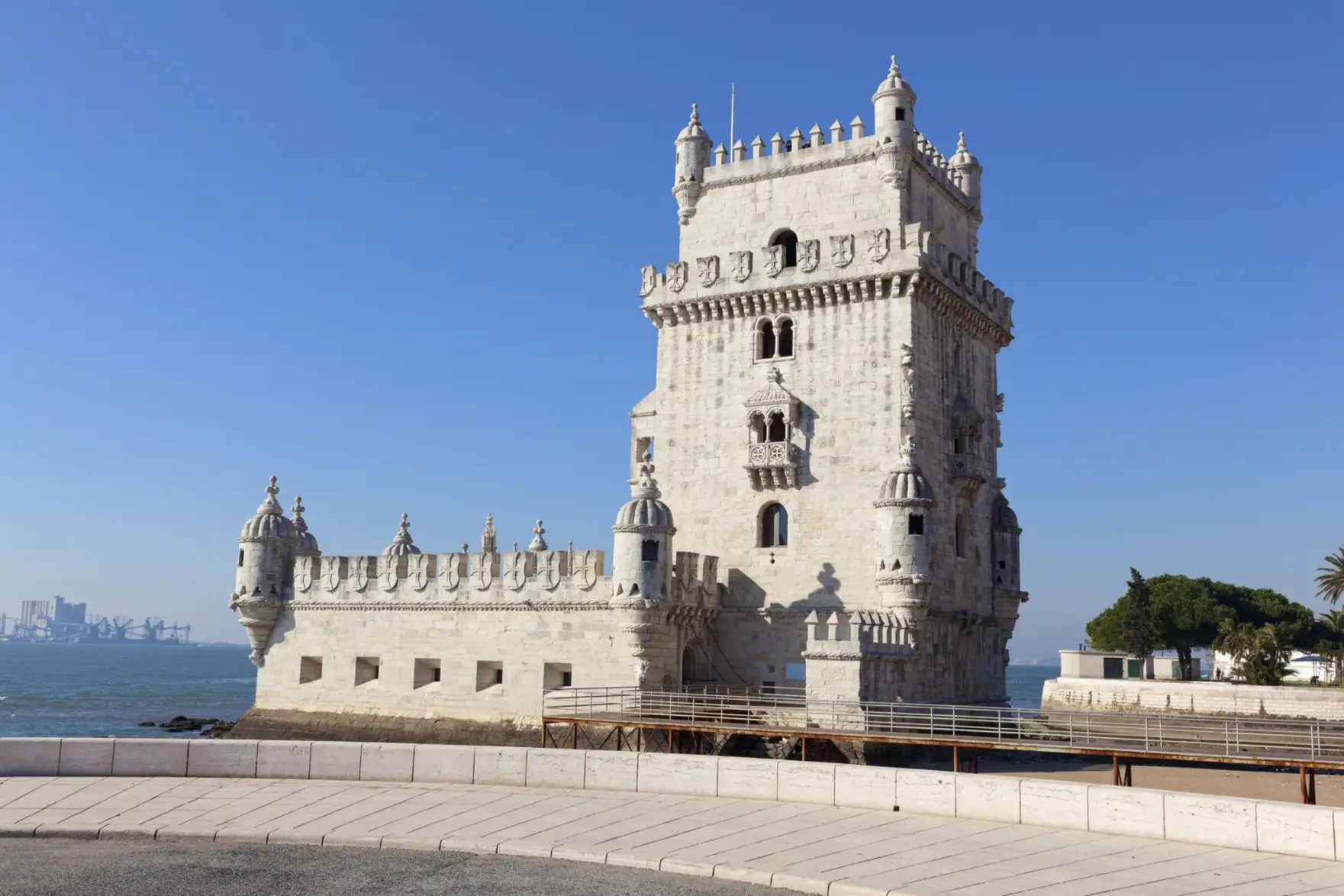 Visit Belem Tower
Belém Tower is a 16th-century fortress in Lisbon, Portugal, built on the northern bank of the Tagus River. A masterpiece of Manueline architecture, it symbolizes Portugal’s maritime expansion during the Age of Discoveries and has been a UNESCO since 1983. Built originally as part of Lisbon’s defense system, Belém Tower guarded the entrance to the harbor and served as a ceremonial gateway for explorers returning from overseas voyages. It was commissioned during Portugal’s maritime golden age, when expeditions established trade routes across Africa, Asia, and the Americas. The tower also functioned at various times as a customs post, prison, and lighthouse. Today, visitors can explore its narrow spiral staircases, terraces overlooking the Tagus, and displays interpreting Lisbon’s maritime history. The surrounding Belém district also offers landmarks such as the MAAT and the iconic bakery serving Pastéis de Belém, complementing a visit to this enduring symbol of Portugal’s past and identity.