
Travel to Russia

 4 photos
Russia is the largest country in the world, stretching across Eastern Europe and Northern Asia. It covers over 17 million square kilometers, spanning 11 time zones, and has a population of around 145 million people. Because of its vast size, Russia contains a wide variety of climates, landscapes, and cultures, ranging from frozen Arctic tundra to dense forests and large metropolitan cities.
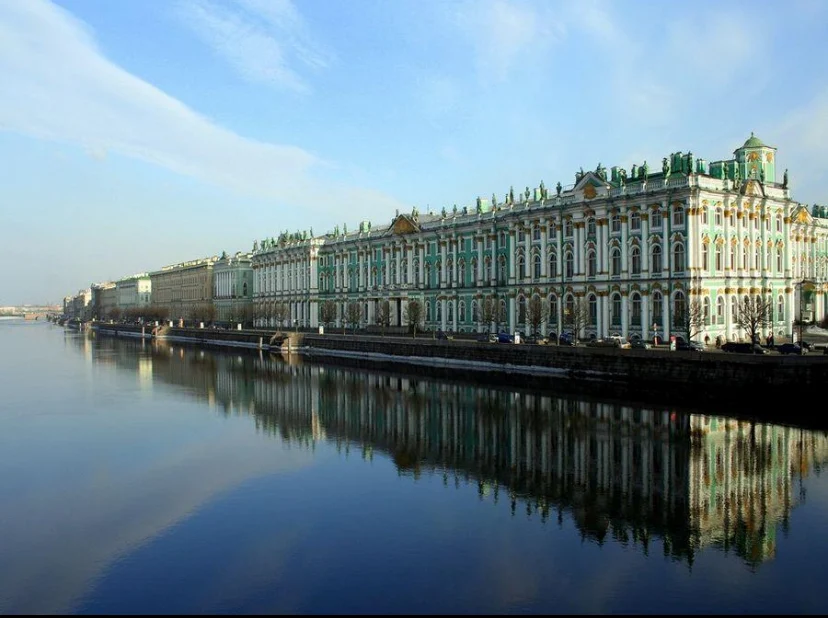
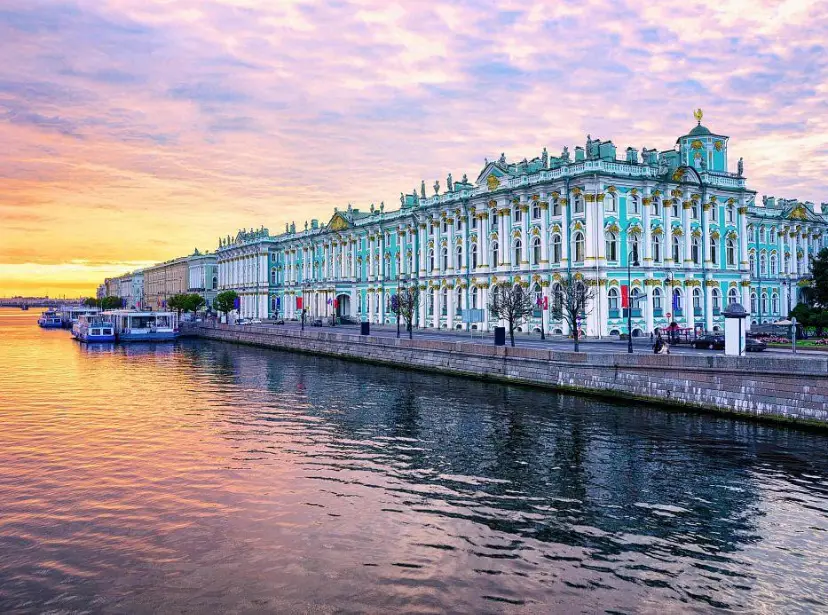
The capital city is Moscow, which is the political, economic, and cultural center of the country. Moscow is one of the largest cities in Europe and is known for its historic architecture, including the Kremlin and Red Square, as well as modern skyscrapers and a rapidly growing economy. Another major city is Saint Petersburg, often called Russia’s cultural capital, famous for its palaces, canals, and museums such as the Hermitage.
Russia has a long and complex history. The early East Slavic state of Kievan Rus’ emerged in the 9th century and is considered a cultural ancestor of modern Russia. After the Mongol invasion, the Grand Duchy of Moscow gradually rose to power and later became the center of the Russian Empire under rulers such as Ivan the Terrible and Peter the Great. The Russian Empire expanded across Eurasia and became one of the most powerful states in the world.
In 1917, the Russian Revolution led to the fall of the empire and the creation of the Soviet Union, a communist state that became a global superpower during the 20th century. The Soviet Union played a major role in World War II and later competed with the United States during the Cold War. In 1991, the Soviet Union collapsed, and the Russian Federation became an independent state.
Today, Russia is a federal semi-presidential republic. It has a strong central government and is divided into various administrative regions. Russia plays an important role in global politics and international relations and is a permanent member of the United Nations Security Council.
The Russian economy is heavily based on natural resources. It has some of the world’s largest reserves of oil, natural gas, coal, and minerals. Energy exports are a major source of national income. Russia also has industries in manufacturing, defense, aerospace, agriculture, and technology. However, its economy has faced challenges due to global sanctions and economic fluctuations.
Russia’s geography is extremely diverse. The western part of the country contains major cities, plains, and rivers such as the Volga. Moving eastward, the land transitions into vast forests known as the taiga, and then into the Siberian region, which is known for its harsh winters and low population density. One of the most famous natural landmarks is Lake Baikal, the deepest freshwater lake in the world.
Russian culture is rich and globally influential. It is known for its contributions to literature, classical music, ballet, and art. Famous figures include writer Leo Tolstoy, composer Pyotr Ilyich Tchaikovsky, and author Fyodor Dostoevsky. Orthodox Christianity is the dominant religion, though Russia is religiously diverse.
In conclusion, Russia is a vast and powerful country with a deep historical legacy, immense natural resources, and significant cultural influence. From the imperial era to the Soviet period and modern federation, Russia continues to play a major role in global affairs while spanning an extraordinary range of environments and peoples.