
Travel to Serbia

 4 photos
Serbia is a landlocked country located in Southeastern Europe, in the heart of the Balkan Peninsula. It borders Hungary to the north, Romania and Bulgaria to the east, North Macedonia to the south, Croatia and Bosnia and Herzegovina to the west, and Montenegro to the southwest. It also has a disputed political status regarding Kosovo, which declared independence in 2008. Serbia covers an area of about 77,000 square kilometers and has a population of around 6.6 million people.
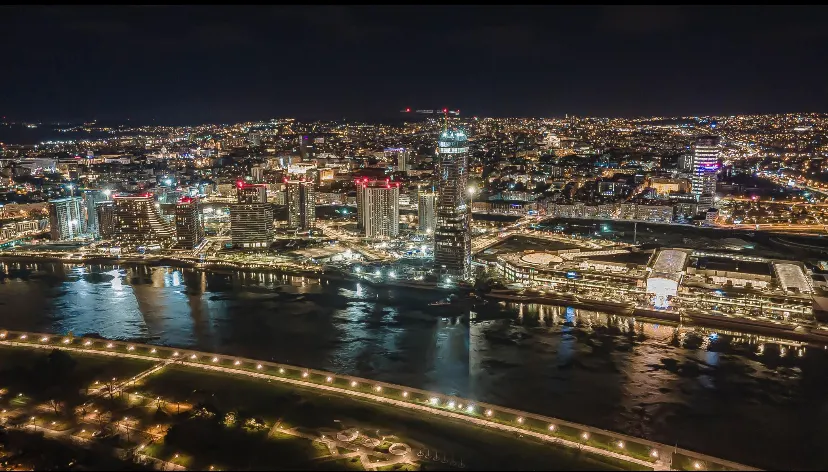
The capital and largest city is Belgrade, one of the oldest cities in Europe. Belgrade sits at the confluence of the Danube and Sava rivers and has historically been a strategic and cultural crossroads. Today, it is the political, economic, and cultural center of Serbia, known for its lively nightlife, historic architecture, and growing modern skyline.
Serbia has a long and complex history shaped by various empires and states. In medieval times, the Serbian Kingdom and later the Serbian Empire were powerful regional forces in the Balkans. After the fall of the medieval Serbian state, the region came under Ottoman rule for several centuries. In the 19th century, Serbia regained autonomy and later independence, gradually expanding its territory.
In the 20th century, Serbia became part of several Yugoslav states, including the Kingdom of Yugoslavia and later the Socialist Federal Republic of Yugoslavia. After the breakup of Yugoslavia in the 1990s, Serbia experienced political and economic transitions, eventually becoming an independent republic following the separation from Montenegro in 2006.
Today, Serbia is a parliamentary republic. It is a candidate country for membership in the European Union and maintains close political, economic, and cultural ties with both European and global partners. The country continues to balance relationships with the EU, Russia, and neighboring Balkan states.
The Serbian economy is diverse, with key sectors including agriculture, manufacturing, energy, mining, and information technology. Serbia is a major producer of crops such as corn, wheat, raspberries, and plums. In recent years, the IT sector has grown rapidly, especially in cities like Belgrade and Novi Sad, which has become a major technology and education hub.
Serbia’s landscape is varied, featuring fertile plains in the northern region of Vojvodina, rolling hills in central areas, and mountainous regions in the south. The country is rich in rivers, including the Danube, which is one of Europe’s most important waterways.
Tourism in Serbia is steadily growing. Visitors are drawn to historic fortresses such as Kalemegdan Fortress, cultural centers like Novi Sad, and natural parks such as Tara National Park. The country is also known for its festivals, especially the EXIT music festival held in Novi Sad.
Serbian culture is a blend of Slavic, Ottoman, and Central European influences. The official language is Serbian, written in both Cyrillic and Latin alphabets. Orthodox Christianity is the dominant religion, and traditional customs, music, and cuisine remain important in everyday life. Popular foods include ćevapi, sarma, and ajvar.
In conclusion, Serbia is a country with a rich history, diverse landscapes, and a dynamic cultural identity. From the historic streets of Belgrade to the mountains and rivers across the country, Serbia continues to develop as an important and influential nation in the Balkans.