
Travel to Slovakia
 4 photos
Slovakia is a landlocked country located in Central Europe. It shares borders with Austria to the southwest, Czech Republic to the northwest, Poland to the north, Ukraine to the east, and Hungary to the south. Although relatively small, covering about 49,000 square kilometers, Slovakia has a population of around 5.4 million people and is known for its mountains, castles, and rich cultural heritage.
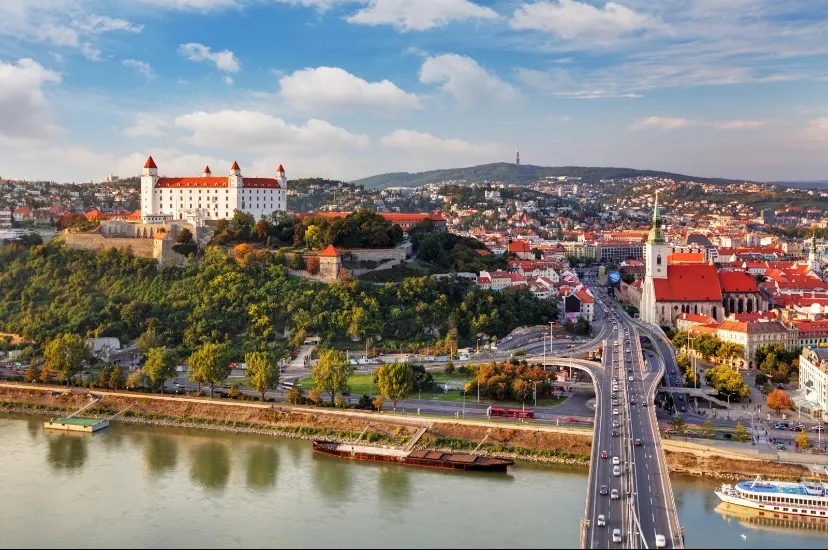
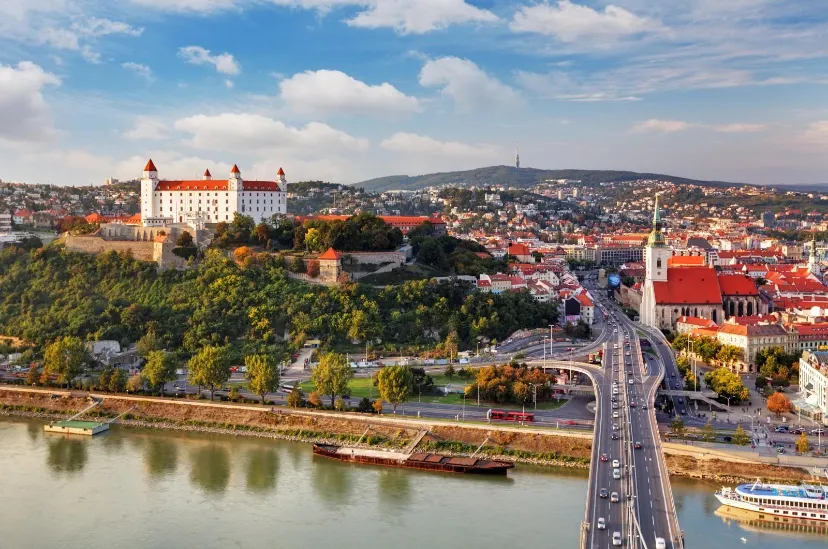
The capital and largest city is Bratislava, located along the Danube River near the borders of Austria and Hungary. Bratislava is the political, economic, and cultural center of the country. It features a charming old town, a hilltop castle overlooking the river, and modern districts that reflect its growing role in Central Europe.
Slovakia has a long and layered history. In ancient times, the region was inhabited by Celtic and Slavic tribes. It later became part of the Great Moravian Empire in the 9th century, one of the earliest Slavic states in Central Europe. After the decline of Great Moravia, the territory was incorporated into the Kingdom of Hungary for several centuries.
Following World War I and the collapse of the Austro-Hungarian Empire, Slovakia joined with the Czech lands to form Czechoslovakia in 1918. After decades of political changes, including communist rule during the Cold War, Czechoslovakia peacefully split in 1993 in what is known as the “Velvet Divorce,” creating the independent Slovak Republic.
Today, Slovakia is a parliamentary democracy and a member of the European Union, the NATO, and the eurozone, using the euro as its currency. Since joining these institutions, Slovakia has experienced economic modernization and increased integration with Western Europe.
The Slovak economy is highly industrialized, with strong sectors in automobile manufacturing, electronics, machinery, and engineering. Major global car manufacturers operate factories in the country, making Slovakia one of the world’s largest producers of cars per capita. Agriculture also plays a role, especially in rural regions.
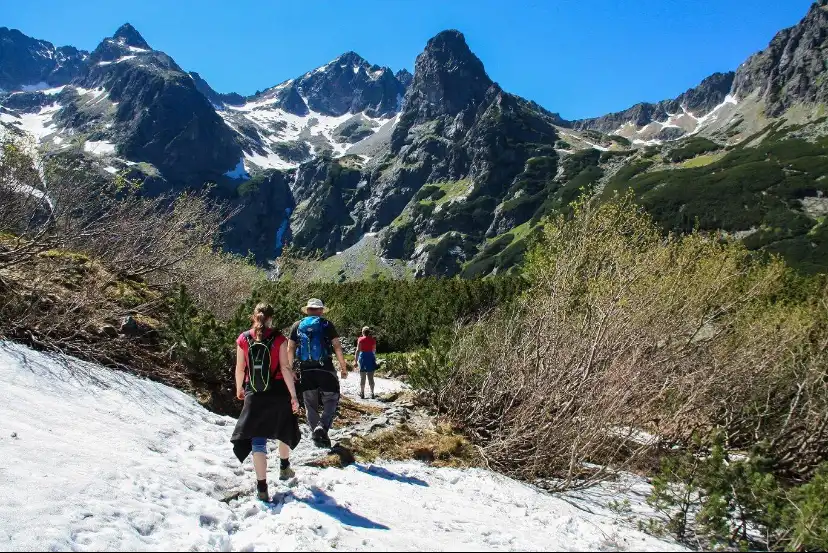
Slovakia is known for its stunning natural landscapes. The northern part of the country is dominated by the Carpathian Mountains, including the famous High Tatras, which offer skiing, hiking, and breathtaking alpine scenery. National parks and caves across the country highlight its geological diversity.
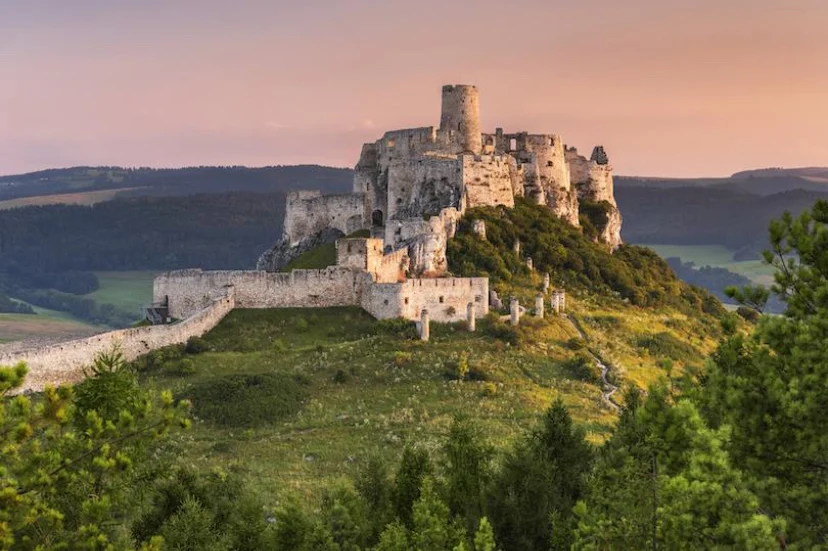
The country is also famous for its castles—there are hundreds scattered across the landscape. One of the most notable is Spiš Castle, one of the largest castle complexes in Central Europe and a UNESCO World Heritage Site. Another important cultural site is Banská Štiavnica, a historic mining town with well-preserved medieval architecture.
Slovak culture is shaped by Slavic traditions, folk music, and regional customs. The official language is Slovak, and traditional cuisine includes dishes such as bryndzové halušky (potato dumplings with sheep cheese). Festivals, folk costumes, and music remain important in rural communities.
In conclusion, Slovakia is a small but historically rich country with beautiful mountains, strong industrial development, and a unique cultural identity. From the peaks of the High Tatras to the streets of Bratislava, Slovakia offers a blend of natural beauty, history, and modern European life.