
Travel to Spain


 4 photos
Traveling to Spain feels like stepping into a country that lives fully in the moment. There’s an energy here that is hard to ignore, a mix of culture, movement, and lifestyle that makes every day feel active and engaging. Whether you’re walking through a busy city or sitting in a quiet square, there’s always something happening around you.
Spain is known for its diversity, not just in landscape but in experience. Each region has its own identity, its own pace, and its own way of life. This means that traveling through Spain never feels repetitive, every destination brings something new.
Barcelona is often one of the first stops, and it offers a unique blend of creativity and coastal living. The architecture stands out immediately, especially landmarks like the Sagrada Familia, which reflect a style that feels both artistic and bold. At the same time, the city sits right by the sea, giving it a relaxed atmosphere that balances out its busy energy.
Madrid, the capital, offers a different experience. It feels more traditional, more centered around culture and daily life. The city is filled with wide streets, open squares, and a strong sense of community. Museums, galleries, and historic sites are part of everyday life here, giving visitors a deeper connection to Spain’s heritage.
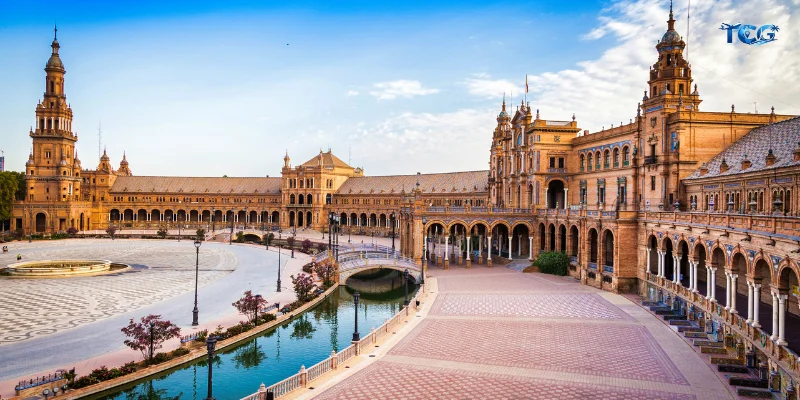
Beyond the major cities, Spain opens up into regions that feel completely different. The southern part of the country, especially areas like Seville and Granada, carries a strong historical influence shaped by different cultures over time. The architecture, the music, and even the atmosphere reflect this rich background.
Then there’s the coastline, which plays a big role in Spain’s appeal. From the Mediterranean shores to island destinations like Ibiza and Mallorca, the beaches offer both relaxation and social life. Some areas are calm and peaceful, while others are lively and filled with entertainment, giving travelers options depending on their preference.
Food is one of the highlights of traveling through Spain. It’s social, flavorful, and deeply connected to everyday life. Meals are often shared, enjoyed over time, and centered around conversation. From tapas to seafood and local specialties, each region offers something different, making food an important part of the journey.
Spain is also known for its lifestyle. There’s a noticeable balance between activity and relaxation. People take time to enjoy their day, whether it’s through long meals, evening walks, or social gatherings. This slower, more intentional pace often becomes part of the traveler’s experience as well.
Getting around Spain is relatively easy, with modern train systems connecting major cities efficiently. This makes it possible to explore multiple destinations within one trip without stress. Whether you’re planning a short visit or a longer stay, moving from one place to another is straightforward.
The people add to the overall experience. There’s a natural openness and friendliness that makes interactions feel comfortable. Even in busy areas, there’s a sense of ease that helps visitors feel welcomed.
Spain also adapts well to different travel styles. It can be cultural, relaxing, adventurous, or social depending on how you plan your trip. Whether you’re traveling alone, as a couple, or with a group, there’s always something that fits your interest.
In many ways, Spain offers a complete travel experience, one that combines culture, food, lifestyle, and variety in a natural way. It’s a destination that doesn’t feel forced or overly structured. Instead, it invites you to explore, to experience, and to enjoy.
For travelers looking for a destination that is lively, diverse, and full of character, Spain remains one of the most rewarding places to visit.
Hotels in Spain
 Catch A Football Match
FC Barcelona is a professional football club based in Barcelona, Catalonia, Spain. Founded in 1899, it is one of the most successful and widely supported clubs in world football, known for its attacking style, youth academy, and cultural significance within Catalan identity. Founded by Swiss businessman Joan Gamper, FC Barcelona quickly became a focal point of Catalan pride. Its motto, “Més que un club,” reflects the club’s deep ties to regional culture and political expression. The crest and colors symbolize both sporting and civic identity. Its fierce rivalry with Real Madrid CF, known as El Clásico, transcends sport, reflecting historical and cultural tensions between Catalonia and Spain. Beyond competition, FC Barcelona operates as a member-owned club with over 140,000 socios (members) and a global fan base, reinforcing its status as a cultural and sporting institution.
 Relax In Ibiza
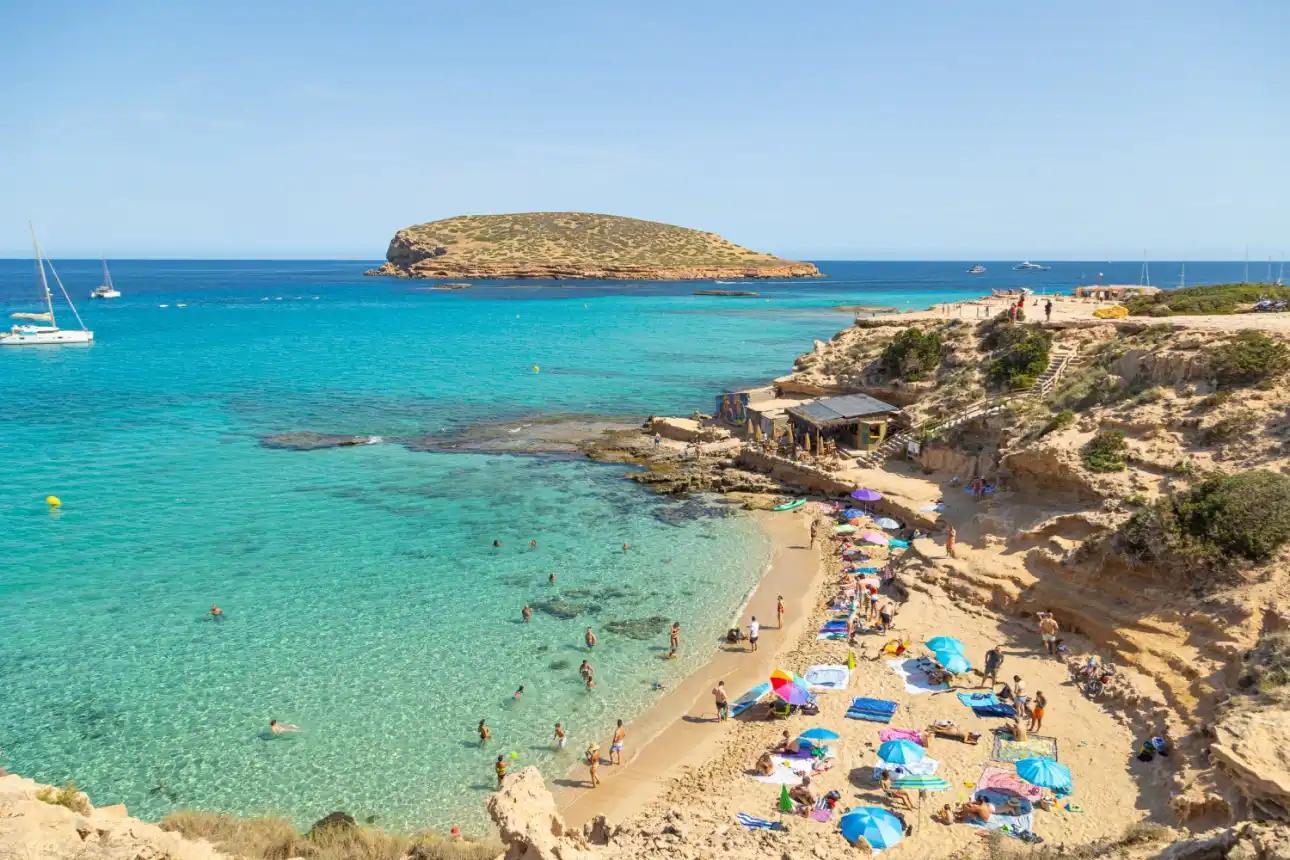
Ibiza is a Mediterranean island located in the Balearic Islands, Spain. Known worldwide for its mix of vibrant nightlife and serene natural beauty, it draws millions of visitors each year seeking both relaxation and revelry. The island’s historic core, Dalt Vila, and its surrounding marine environment are designated UNESCO World Heritage Sites. Ibiza has a rich history shaped by Phoenician colonization, Roman rule, and Moorish influence. The fortified old town, Dalt Vila, showcases Renaissance walls, cobbled streets, and landmarks such as the Cathedral of Santa María de las Nieves. The island’s culture blends Mediterranean traditions with a cosmopolitan spirit, reflected in its artisan markets, Adlib fashion, and festivals celebrating music and art. Ibiza’s UNESCO-listed assets include Dalt Vila’s fortress, the Phoenician settlement of Sa Caleta, and the necropolis of Puig des Molins. The Ses Salines Natural Park, spanning southern Ibiza and northern Formentera, protects salt flats and wetlands that host flamingos and migratory birds. Together, these landmarks highlight the island’s dual identity as both a cultural and natural treasure.
 Visit The Alcazar Of Seville
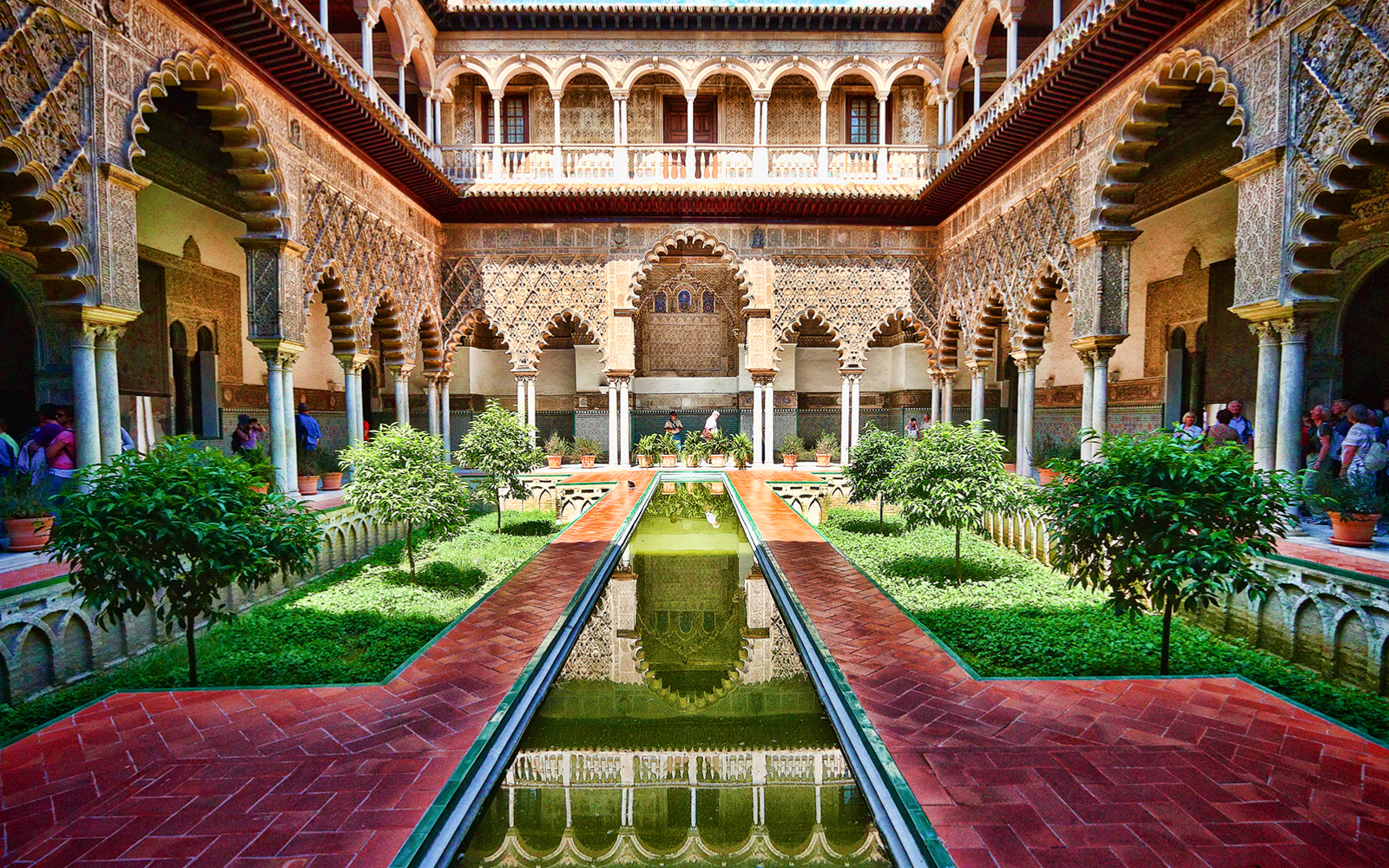
The Alcázar of Seville (Real Alcázar de Sevilla) is a fortified royal palace complex in Seville, Spain. Originally developed by Moorish Muslim kings, it represents one of the finest surviving examples of Mudéjar architecture, blending Islamic, Gothic, Renaissance, and Baroque styles. It remains a functioning royal residence, making it Europe’s oldest palace still in use. The Alcázar’s origins trace back to a 10th-century Moorish fortress built by the Muslim rulers of Al-Andalus. Major expansions occurred under the Almohads and later under King Peter of Castile (Pedro I) in the 14th century, who commissioned the stunning Mudéjar-style Palacio de Don Pedro. Subsequent monarchs added Gothic halls and Renaissance elements, culminating in a complex that mirrors the evolution of Spanish art and power. The palace complex is open to the public, offering guided and self-paced tours through its palatial rooms, chapels, and gardens. Its proximity to Seville Cathedral and the Archivo General de Indias forms a UNESCO-recognized trio of monuments reflecting the city’s medieval and imperial significance.
 See The Sagrada Familia
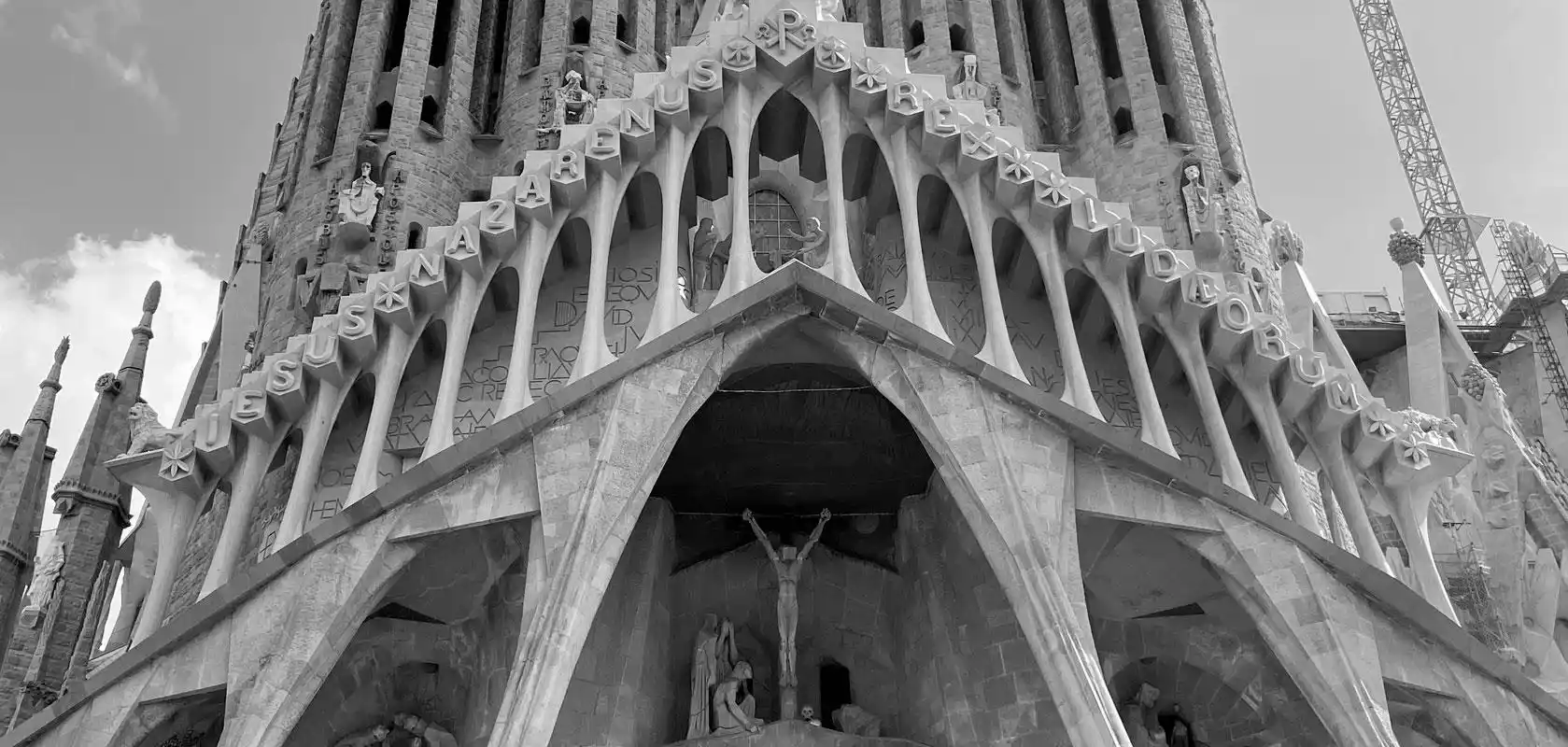
The Sagrada Família is a monumental Roman Catholic basilica located in Barcelona, Spain, renowned as the magnum opus of architect Antoni Gaudí. Begun in 1882, the church remains under construction, symbolizing both Barcelona’s artistic identity and the evolution of modernist architecture. Initially designed by architect Francisco de Paula del Villar, the project was taken over by Gaudí in 1883. He dedicated the remainder of his life to it, living on-site in his later years. After his death in 1926, work continued intermittently, surviving the Spanish Civil War and adapting to new technologies. Contemporary architects use Gaudí’s surviving plans, models, and digital design tools to continue the project. Declared a basilica by Pope Benedict XVI in 2010, the Sagrada Família attracts millions of visitors annually. It embodies Barcelona’s cultural pride and Catalonia’s distinctive modernist legacy, while remaining an active place of worship. Its ongoing construction has come to symbolize the interplay between faith, art, and human perseverance.
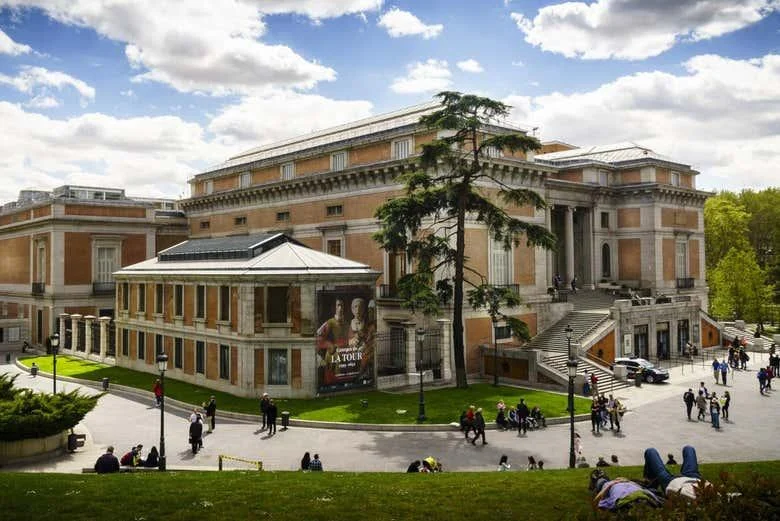 Visit The Prado Musuem
The Prado Museum (Spanish: Museo del Prado) is Spain’s national art museum, located in Madrid. It is one of the world’s premier art institutions, renowned for its collection of European masterpieces from the 12th to the early 20th centuries, particularly Spanish, Italian, and Flemish works. The Prado was commissioned by King Charles III and inaugurated by King Ferdinand VII as the Royal Museum of Paintings and Sculptures. Originally intended to showcase Spanish royal art collections, it evolved into a public institution central to national cultural identity. The museum building itself is a neoclassical landmark designed by architect Juan de Villanueva. The main Villanueva building has been expanded multiple times to accommodate growing collections and visitors. The most notable addition is the Jerónimos building, completed in 2007 under architect Rafael Moneo, providing new exhibition and restoration spaces while preserving the museum’s classical aesthetic.