
Travel to Switzerland


 4 photos
Switzerland is a landlocked country located in Central Europe, known for its neutrality, political stability, high standard of living, and stunning alpine scenery. It borders Germany to the north, France to the west, Italy to the south, and Austria and Liechtenstein to the east. Despite its relatively small size of about 41,000 square kilometers, Switzerland is one of the most influential and wealthy countries in the world.
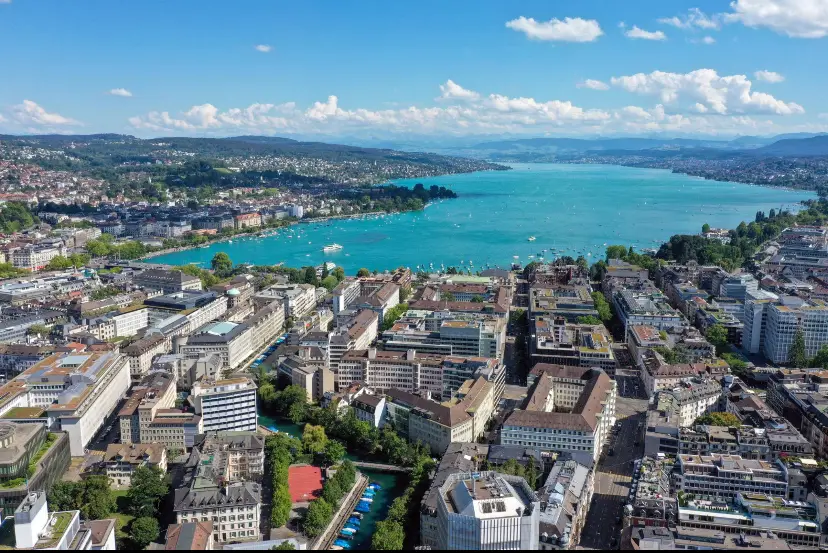
The capital city is Bern, a historic town with a well-preserved medieval old city that sits along a bend in the Aare River. However, Switzerland’s largest and most economically important cities include Zurich, a global financial hub; Geneva, known for diplomacy and international organizations; Basel, a center for pharmaceuticals and culture; and Lucerne, famous for its lake and mountain views.
Switzerland has a unique political system based on direct democracy. Citizens regularly vote in referendums to decide on laws and constitutional changes, making it one of the most participatory democracies in the world. The country is a federal state made up of 26 cantons, each with a high degree of autonomy. Switzerland is also well known for its long-standing policy of neutrality, having avoided involvement in major international wars for centuries.
Historically, Switzerland developed as a confederation of alpine communities in the late Middle Ages. The Swiss Confederation gradually expanded and strengthened its independence from surrounding empires. By the 19th century, Switzerland had established itself as a neutral state, and this neutrality was officially recognized in 1815. Since then, it has maintained a stable political position in Europe.
Switzerland is not a member of the European Union, but it participates in many European agreements, including the Schengen Area, which allows passport-free travel across much of Europe. This balance allows Switzerland to remain independent while still being closely connected to the European economy.
The Swiss economy is highly developed and one of the most competitive in the world. It is driven by finance, banking, insurance, pharmaceuticals, machinery, and high-tech manufacturing. Swiss banks are globally recognized for their stability, while companies in cities like Basel lead the world in medical and pharmaceutical innovation. Tourism also plays a significant role, especially in alpine regions.
Switzerland’s geography is dominated by the Alps, which cover much of the country and provide dramatic landscapes of mountains, valleys, and glaciers. The famous peak Matterhorn is one of the most iconic mountains in the world. The country is also home to beautiful lakes such as Lake Geneva and Lake Lucerne, which attract millions of visitors each year.
Swiss culture is diverse, reflecting its four official languages: German, French, Italian, and Romansh. This linguistic diversity mirrors the country’s regional variety. Swiss traditions include precision craftsmanship, chocolate and cheese production, and a strong outdoor lifestyle centered on hiking, skiing, and mountaineering.
Tourism is a major industry, with visitors drawn to ski resorts, scenic train routes like the Glacier Express, and picturesque towns nestled in the Alps. The combination of natural beauty and efficient infrastructure makes Switzerland one of the most visited countries in Europe.
In conclusion, Switzerland is a unique country defined by neutrality, prosperity, and breathtaking landscapes. From its powerful financial centers to its peaceful alpine villages, Switzerland blends tradition, innovation, and natural beauty into one of the most balanced societies in the world.