
Travel to Belize

 4 photos
Belize is a small but culturally rich country located on the northeastern coast of Central America. It is bordered by Mexico to the north, Guatemala to the west and south, and the Caribbean Sea to the east. Belize is unique in the region because it is the only Central American country where English is the official language, a legacy of its British colonial history. Despite its small population and size, Belize is known for its incredible biodiversity, ancient Mayan heritage, and world-famous marine ecosystems.
The capital city is Belmopan, which was established in 1970 after Hurricane Hattie severely damaged the former capital, Belize City. Belmopan is one of the smallest capital cities in the world and serves as the administrative and political center of the country. However, the largest urban area and main commercial hub remains Belize City, located along the Caribbean coast. Belize City is known for its busy port, colonial-era buildings, and vibrant street life, although it is also vulnerable to flooding and hurricanes due to its low elevation.
Belize has a long and fascinating history shaped by Indigenous civilizations and European colonization. Before the arrival of Europeans, the region was part of the great Maya civilization, which flourished for centuries. Today, Belize contains many important Maya archaeological sites such as Caracol, Xunantunich, and Altun Ha, which attract historians and tourists from around the world. In the 17th century, British settlers arrived, and the area eventually became British Honduras, a colony that relied heavily on logging, particularly mahogany. Belize gained independence from the United Kingdom on September 21, 1981.
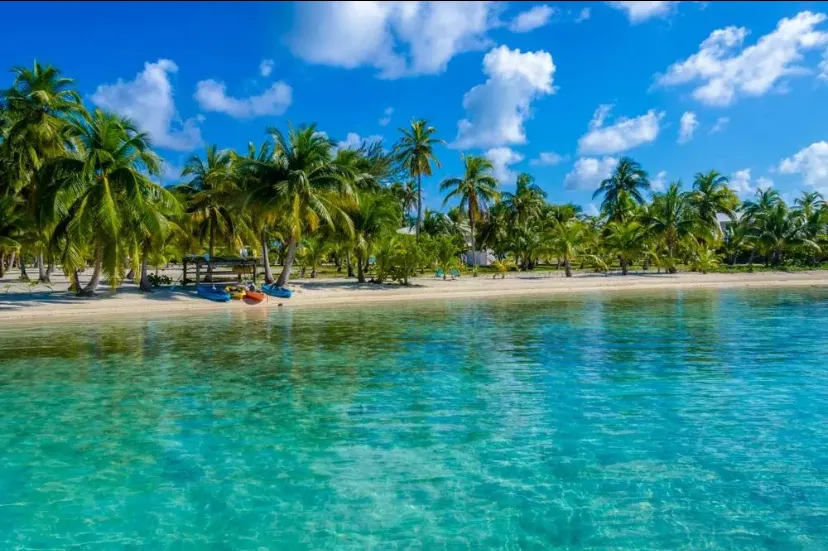
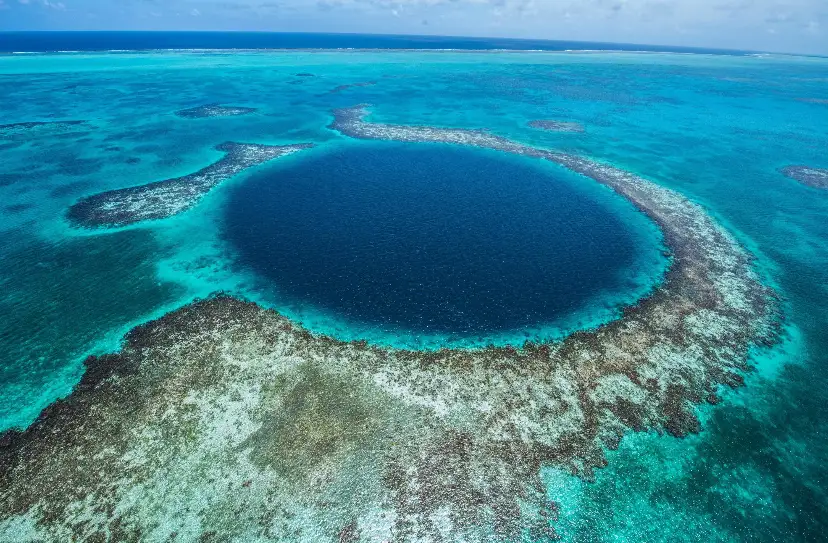
One of Belize’s greatest natural treasures is the Belize Barrier Reef. It is the second-largest coral reef system in the world after Australia’s Great Barrier Reef and is recognized as a UNESCO World Heritage Site. The reef supports an extraordinary variety of marine life, including colorful fish, sea turtles, sharks, and coral species. It also attracts divers and snorkelers from around the globe, especially to iconic sites like the Great Blue Hole, a massive underwater sinkhole that is one of the most photographed marine features on Earth.
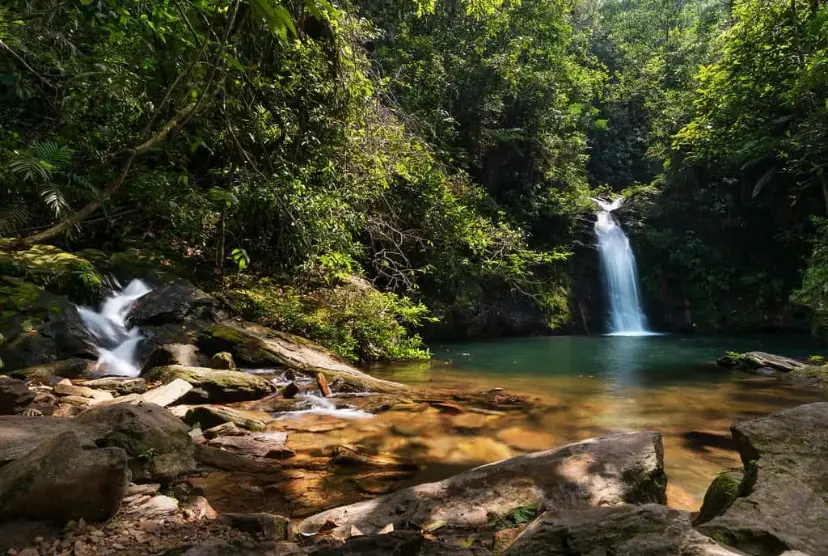
In addition to its marine environments, Belize is home to dense rainforests, wetlands, and mountain ranges. Protected areas such as the Cockscomb Basin Wildlife Sanctuary preserve jaguars and other endangered species, making Belize one of the most important countries in the world for biodiversity conservation. Ecotourism plays a major role in the country’s economy, with visitors coming for hiking, cave exploration, birdwatching, and river tours.
The population of Belize is culturally diverse, reflecting a mix of Maya, Mestizo, Creole, Garifuna, and other communities. This diversity is expressed in music, dance, language, and cuisine. Garifuna drumming and punta music are especially popular cultural expressions. Traditional foods include rice and beans, stewed chicken, fry jacks, and seafood dishes that reflect the country’s coastal lifestyle.
Belize’s economy is based on tourism, agriculture, and services. Key exports include sugar, bananas, citrus fruits, and seafood. While it is one of the smaller economies in the region, Belize benefits greatly from its natural attractions and growing eco-tourism industry.
Today, Belize is recognized for its laid-back lifestyle, environmental richness, and cultural diversity. Its combination of ancient history, tropical landscapes, and marine wonders makes it one of the most distinctive and fascinating countries in Central America and the Caribbean region.