
Travel to Canada

 3 photos
Traveling to Canada feels like stepping into a place where nature and city life exist in perfect balance. It’s calm, open, and welcoming, yet still full of energy in all the right places. Whether you arrive in a busy city like Toronto or a scenic destination like Banff, there’s an immediate sense of space and comfort that makes it easy to settle in.
One of the first things people notice about Canada is how clean and organized everything feels. The cities are well-structured, transportation is reliable, and getting around is straightforward even for first-time visitors. For travelers coming from the United States, Canada often feels familiar, but at the same time, it offers a refreshing change in atmosphere.
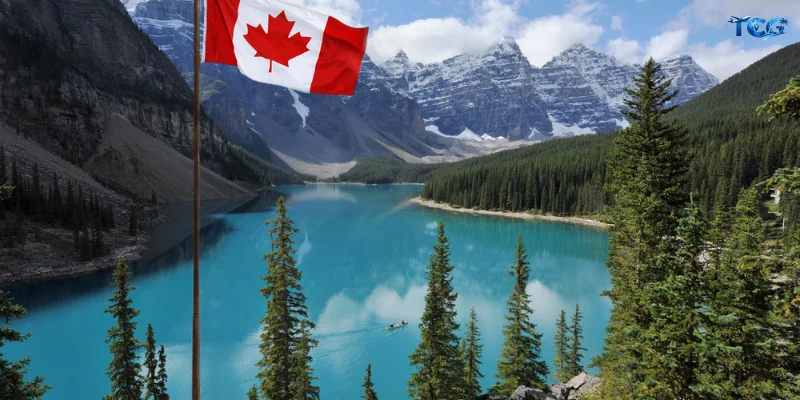
Canada is known for its natural beauty, and it truly delivers on that expectation. From the towering Rocky Mountains to peaceful lakes and endless forests, the country offers landscapes that feel untouched and expansive. Places like Banff and Jasper are perfect for those who enjoy nature, hiking, and simply taking in quiet surroundings. In contrast, Niagara Falls provides a more powerful experience , something you don’t just see, but feel.
Beyond nature, Canada’s cities offer their own unique experiences. Toronto is vibrant and diverse, filled with culture, food, and entertainment. Vancouver combines urban life with scenic views, giving you mountains and ocean in one place. Montreal brings a different feel altogether, with its European influence, historic streets, and strong artistic culture.
Food in Canada reflects its diversity. You’ll find a mix of international cuisines alongside local favorites. Whether it’s a casual meal in a city restaurant or a quiet café in a smaller town, there’s always something to enjoy. The food scene is not overly complicated but it’s accessible, varied, and satisfying.
What truly makes Canada stand out, though, is the people. There’s a natural politeness and friendliness that makes interactions feel easy and genuine. Visitors often find that asking for help, directions, or recommendations leads to warm conversations and helpful guidance.
Canada is also a destination that works well for different types of travelers. If you’re looking for relaxation, you can find quiet retreats surrounded by nature. If you prefer activity, there are opportunities for skiing, hiking, city exploration, and more. It’s a country that adapts to how you want to travel.
Another advantage is how close and accessible it is from the United States. Short flights, simple travel routes, and familiar systems make it an easy choice for both short getaways and longer trips. You don’t need to overcomplicate the planning because Canada allows you to travel comfortably while still experiencing something new.
In many ways, Canada offers a kind of travel that feels balanced. It’s not overwhelming, not rushed, and not overly commercial. Instead, it gives you room to explore, to slow down when needed, and to enjoy each moment without pressure.
Whether you’re visiting for the cities, the landscapes, or just a change of environment, Canada provides an experience that feels natural and complete. It’s the kind of place you visit once and immediately start thinking about when you’ll return.
Hotels in Canada
 Montreal
Montreal is the largest city in the province of Quebec, Canada, situated on an island in the Saint Lawrence River. Known for its French-speaking population, vibrant arts scene, and blend of European and North American influences, it is a major cultural and economic hub of Canada. Founded as Ville-Marie in 1642 by French settlers, Montreal developed as a fur trading post and later became a key industrial and financial center. Its bilingual character emerged through British control after 1763 and waves of immigration, contributing to its diverse cultural fabric. As part of Quebec, Montreal operates officially in French, yet remains one of the most bilingual cities in North America. Its cultural diversity, progressive urban planning, and history as a host of the 1976 Summer Olympics shape its reputation as a global, inclusive metropolis.
 Niagra Falls
Niagara Falls is a group of three massive waterfalls straddling the border between Canada and the United States. On the Canadian side in Ontario, it is a premier natural attraction drawing millions of visitors annually for its immense beauty, hydroelectric power potential, and surrounding tourism district. The falls are loud, powerful, and honestly bigger than most people expect. You can view them from walkways, but getting close by boat is the experience that really shows their scale. At night, the lights make it feel completely different again. The city of Niagara Falls, Ontario, developed into a major tourism hub. Key attractions include Clifton Hill, the Niagara SkyWheel, and boat tours like Maid of the Mist or Niagara City Cruises that bring visitors close to the cascading water. At night, illumination and seasonal fireworks transform the falls into a vivid spectacle.
 Banff National Park
Banff National Park is a protected mountain region in Alberta, Canada, and the country’s oldest national park. Established in 1885, it anchors the Canadian Rockies’ UNESCO World Heritage Site, known for its dramatic alpine scenery, turquoise lakes, glaciers, and abundant wildlife. The park spans a section of the central Rocky Mountains, encompassing rugged peaks, deep valleys, and vast coniferous forests. Iconic sights include Lake Louise, Moraine Lake, the Bow Valley, and the Columbia Icefield. Elevations range from about 1,300 to over 3,600 meters, creating diverse ecosystems and microclimates. Banff supports a range of species adapted to alpine and subalpine environments. Grizzly bears, elk, mountain goats, and wolves inhabit the park, along with hundreds of bird species. Conservation efforts focus on maintaining habitat connectivity across the Rockies and mitigating human wildlife conflict in this heavily visited area.
See The Iconic CN Tower
The CN Tower is a concrete communications and observation tower in downtown Toronto, Canada. Completed in 1976, it was once the world’s tallest freestanding structure and remains one of Canada’s most recognized landmarks, symbolizing Toronto’s skyline and national engineering achievement. Built by Canadian National Railways, the CN Tower was designed to showcase Canadian innovation and improve radio and television transmission across Toronto. Construction began in 1973 and finished in 1976, employing slipform concrete technology to raise its central core. Its name originally stood for “Canadian National,” though ownership later transferred to a federal crown corporation.
Bike Through Stanley Park
Stanley Park is a 405-hectare urban park in Vancouver, British Columbia, Canada. Bordered by the waters of Burrard Inlet and English Bay, it is one of the largest and most visited city parks in North America, celebrated for its scenic seawall, natural forest, and cultural landmarks. The park was established in 1888 and named after Lord Stanley, then Governor General of Canada. Once home to Coast Salish communities, the area retains archaeological and cultural significance. Over time, Stanley Park has evolved into a blend of preserved natural forest and landscaped gardens, symbolizing Vancouver’s commitment to urban nature conservation. Major attractions include the Stanley Park Seawall, a 9-kilometer path encircling the park’s shoreline for walking and cycling. The Vancouver Aquarium, Totem Poles at Brockton Point, Lions Gate Bridge viewpoints, and landscaped spaces like the Rose Garden are among its highlights. The park also offers beaches, playgrounds, and sports facilities.