
Travel to Cuba
 4 photos
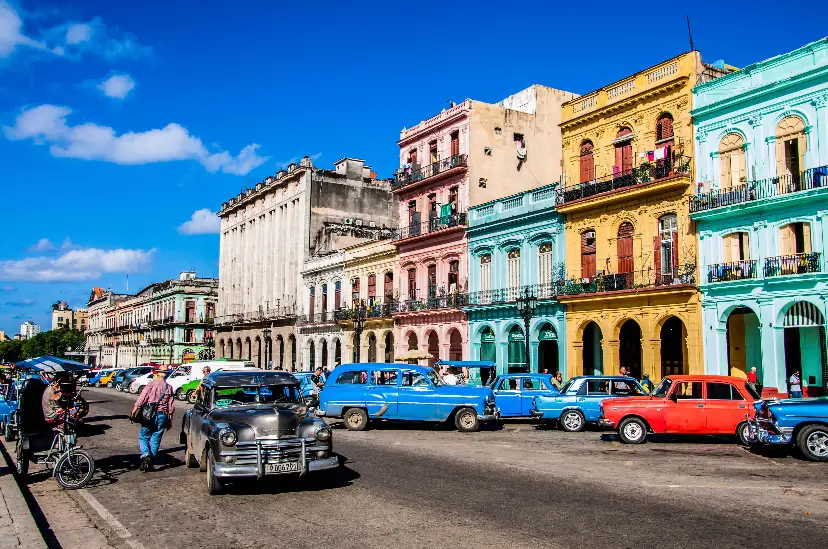
Cuba is a large island country located in the northern Caribbean Sea, where the Caribbean Sea meets the Gulf of Mexico and the Atlantic Ocean. It is the largest island in the Caribbean and consists of the main island of Cuba, Isla de la Juventud, and more than 4,000 smaller cays and islands. Cuba is known for its rich history, strong cultural identity, classic American-style vintage cars, music, and unique political system.
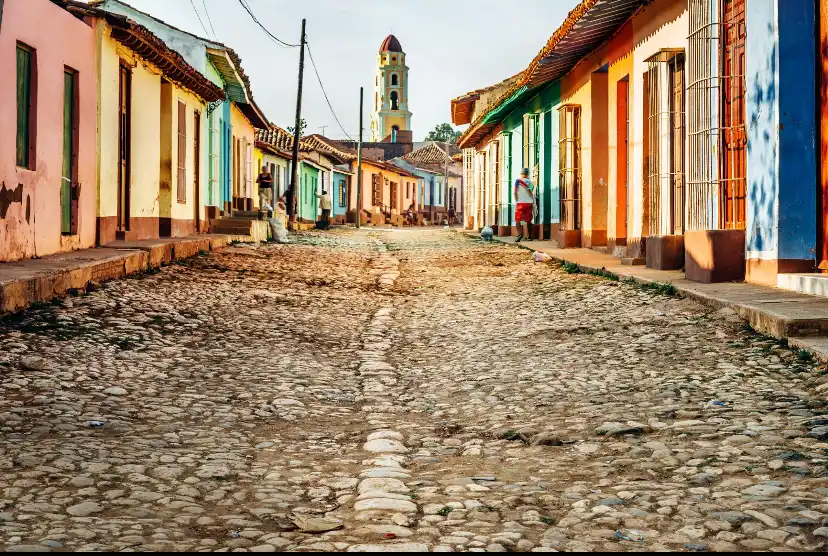
The capital city is Havana, one of the most iconic cities in the Caribbean. Havana is famous for its colorful colonial architecture, historic plazas, and vibrant street life. The city’s Old Havana district is a UNESCO World Heritage Site and features cobblestone streets, Spanish-era buildings, and lively music spilling out from bars and restaurants. The city also stretches along the coastline, where the Malecón seawall serves as a popular gathering place for locals and tourists, especially at sunset.
Cuba’s history is deeply shaped by colonization, slavery, revolution, and Cold War politics. The island was inhabited by Indigenous Taíno and Ciboney peoples before the arrival of Spanish explorer Christopher Columbus in 1492. Spain ruled Cuba for nearly 400 years, establishing sugar plantations that relied heavily on enslaved African labor. This colonial period had a lasting impact on Cuba’s culture, demographics, and economy.
Cuba gained independence from Spain in 1898 following the Spanish-American War, but it remained under strong United States influence for several decades. In 1959, the Cuban Revolution led by Fidel Castro and Ernesto overthrew the Batista government, establishing a socialist state. This revolution dramatically changed Cuba’s political system, economy, and international relationships, especially with the United States.
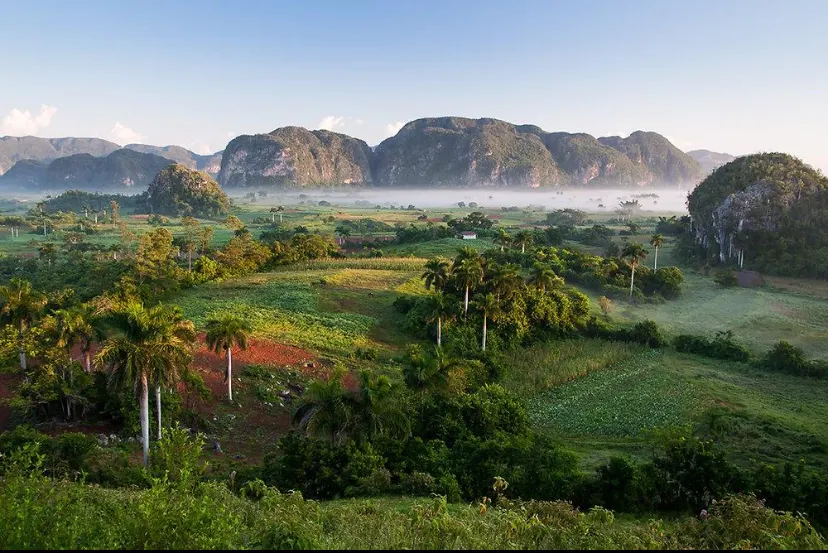
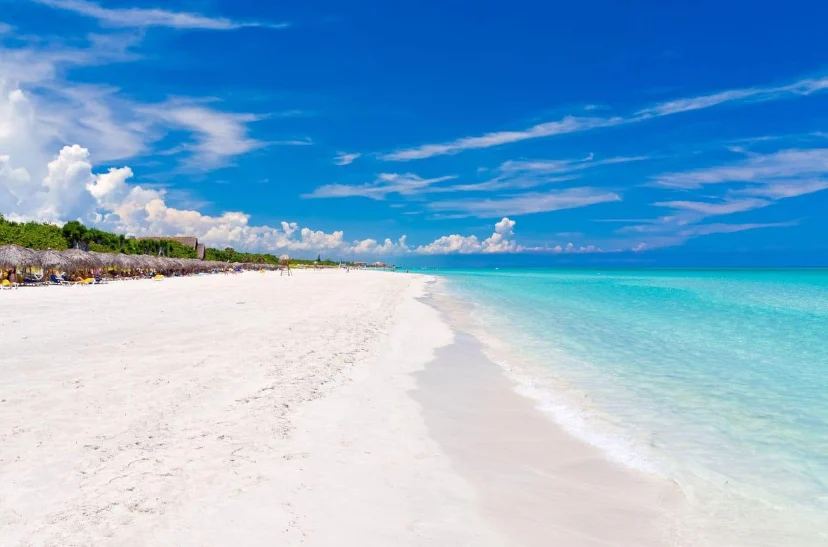
Tourism is one of Cuba’s most important industries today. Visitors are drawn to its beaches, historic cities, and cultural experiences. Popular destinations include Varadero Beach, known for its long stretches of white sand and clear blue waters, and Viñales Valley, a UNESCO-listed region famous for tobacco farming, limestone hills called mogotes, and traditional rural life. Cuba’s music scene is also a major attraction, with genres like salsa, son, mambo, and rumba deeply rooted in everyday life.
The Cuban economy is state-controlled and relies on industries such as tourism, agriculture, healthcare services, and remittances from abroad. Sugar, tobacco, and rum are historically important exports. Cuban cigars and Cuban rum are especially well known internationally for their quality and craftsmanship.
Cuban culture is one of the most distinctive in the Caribbean, blending Spanish, African, and Caribbean influences. Music and dance are central to daily life, with live performances common in streets, clubs, and public squares. Baseball is the country’s most popular sport and is considered a national passion.
Despite economic challenges and political restrictions, Cuba remains known for its resilience, strong sense of identity, and vibrant culture. Its combination of historical depth, revolutionary legacy, and natural beauty makes it one of the most fascinating and unique countries in the Caribbean region.