
Travel to Dominica

 4 photos
Dominica is a small island country located in the eastern Caribbean Sea, between the French territories of Guadeloupe to the north and Martinique to the south. It is often called the “Nature Island of the Caribbean” because of its dense rainforests, volcanic landscapes, rivers, and waterfalls. Unlike many nearby islands known mainly for beaches, Dominica is especially famous for its rugged interior and eco-tourism experiences.
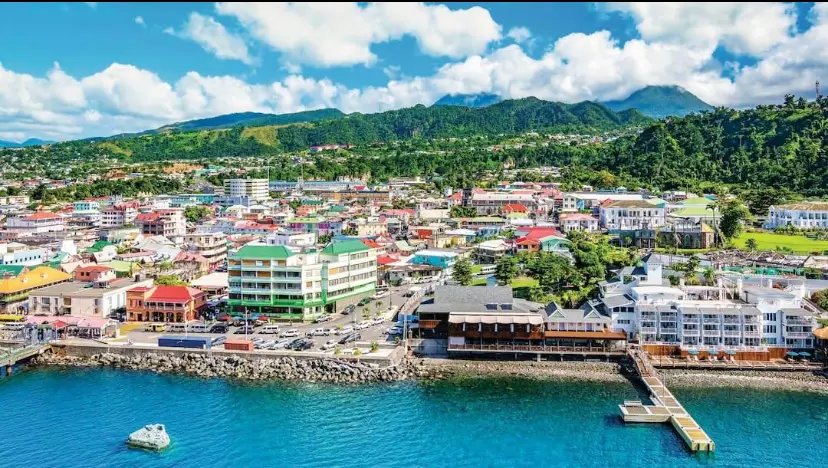
The capital city is Roseau, located on the island’s southwest coast. Roseau is the country’s main administrative and economic center. It is a compact city with colorful buildings, markets, and colonial-era architecture mixed with modern structures. The city sits between the Caribbean Sea and lush green mountains, giving it a scenic backdrop that reflects the island’s natural beauty.
Dominica’s history began with the Indigenous Kalinago people, who still have a recognized territory on the island today. The Kalinago were skilled seafarers and farmers and were among the last Indigenous groups in the Caribbean to resist European colonization. Christopher Columbus sighted Dominica in 1493 during his second voyage, and the island was later contested by France and Britain for many years. Although Britain eventually gained control, French influence remains strong in place names, culture, and language patterns. Dominica gained independence from the United Kingdom on November 3, 1978.
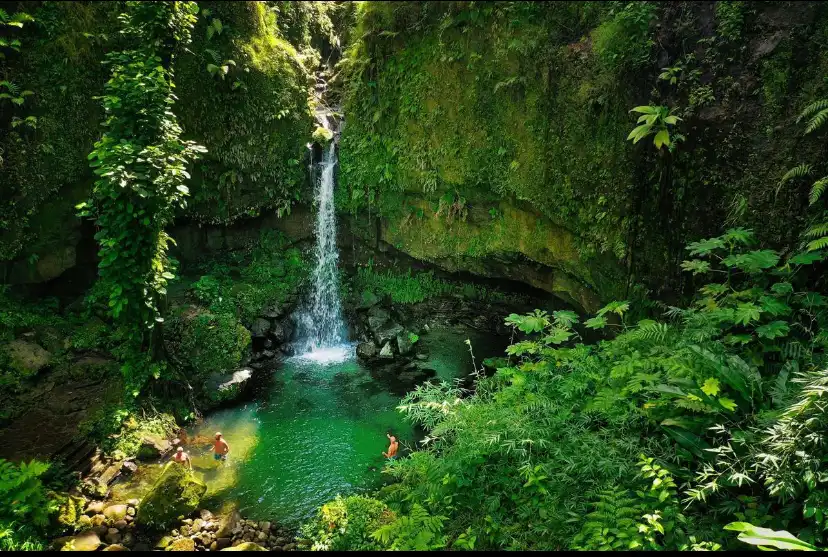
The island’s geography is volcanic and mountainous, with steep terrain covered in thick rainforest. One of its most famous natural attractions is the Boiling Lake, one of the largest hot lakes in the world, located within Morne Trois Pitons National Park, a UNESCO World Heritage Site. The park also includes waterfalls, freshwater lakes, and volcanic vents. Dominica’s landscape is largely untouched compared to other Caribbean islands, making it a prime destination for hiking, adventure tourism, and nature exploration.
Marine life is also a major feature of Dominica’s natural environment. The island is known for whale watching, particularly sperm whales that live in its surrounding waters year-round. Sites like Champagne Reef offer unique snorkeling experiences where underwater volcanic activity creates bubbles rising through the sea floor.
The economy of Dominica is relatively small and depends on agriculture, tourism, and government services. Bananas were historically the main export crop, although the sector has declined due to global competition and hurricanes. In recent years, Dominica has focused heavily on developing eco-tourism and promoting itself as a green destination. The government has also invested in renewable energy projects, including geothermal energy, to reduce dependence on imported fuel.
Culturally, Dominica is a blend of African, European, and Indigenous Kalinago influences. Music plays an important role in daily life, with genres like cadence-lypso and bouyon originating on the island. Festivals such as Carnival and the World Creole Music Festival celebrate this rich cultural mix through dance, costumes, and live performances.
The population of Dominica is relatively small compared to other Caribbean nations, and communities are closely connected. English is the official language, while a French-based Creole is widely spoken in everyday life. This linguistic blend reflects the island’s colonial past and cultural diversity.
Today, Dominica is recognized globally for its commitment to environmental preservation and sustainable development. Its combination of dramatic natural scenery, rich cultural traditions, and peaceful lifestyle makes it one of the most unique and beautiful islands in the Caribbean region.