
Travel to Dominican Republic


 4 photos
Traveling to the Dominican Republic feels like stepping into a place where relaxation comes naturally. It’s warm, vibrant, and easy to enjoy from the moment you arrive. The country has a way of making you slow down without trying the ocean, the breeze, and the laid-back atmosphere all come together to create an experience that feels effortless.
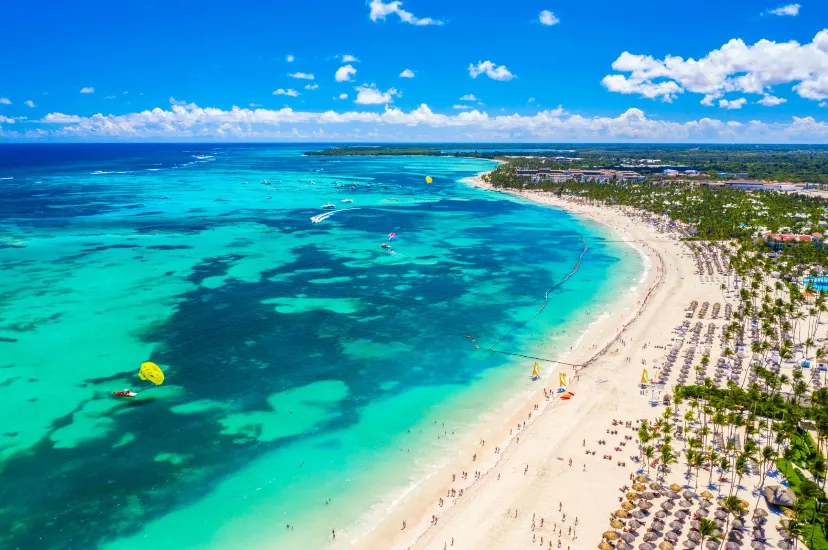
For many travelers, the Dominican Republic is known for its beaches, and it truly delivers on that promise. Places like Punta Cana offer long stretches of white sand, clear blue water, and resorts designed for comfort and ease. It’s the kind of setting where your days can be as simple as enjoying the sun, the water, and the moment.
But beyond the resorts, there’s more to discover. The country has a strong cultural identity that adds depth to the experience. In Santo Domingo, the capital, you’ll find history that dates back centuries. The Colonial Zone, with its cobblestone streets and historic buildings, offers a completely different side of the Dominican Republic, one that feels rooted in tradition and heritage.
The natural beauty of the country goes beyond the coastline. There are mountains, waterfalls, and national parks that offer opportunities for exploration and adventure. Whether it’s taking a boat trip to Saona Island or exploring inland landscapes, there’s more variety than many visitors expect.
What makes the Dominican Republic especially appealing is how accessible it is, particularly for travelers from the United States. Flights are relatively short, travel planning is straightforward, and there are options for every budget — from luxury all-inclusive resorts to more affordable stays.
The all-inclusive experience is a major part of why so many people choose this destination. It offers convenience, value, and a stress-free way to travel. Everything is organized for you from the meals, activities, and entertainment allowing you to focus on enjoying your time without worrying about details.
Food in the Dominican Republic reflects a mix of influences, combining local flavors with international options. Fresh seafood, tropical fruits, and traditional dishes all play a role in the experience. Dining often feels relaxed and enjoyable, whether you’re at a resort or exploring local spots.
The people also contribute greatly to the atmosphere. There’s a natural warmth and friendliness that makes visitors feel welcome. Music, dance, and social interaction are part of everyday life, giving the country a lively and inviting energy.
Another advantage is how flexible the destination can be. You can plan a quiet getaway, a romantic trip, or a more active vacation depending on your preferences. Whether you want to stay within a resort or explore beyond it, the Dominican Republic gives you the option to choose your own pace.
In many ways, the Dominican Republic offers a kind of travel that is simple, enjoyable, and refreshing. It doesn’t require too much planning or effort to have a good experience that it naturally provides.
For travelers looking for a destination that combines beautiful beaches, comfort, culture, and ease of access, the Dominican Republic remains one of the most reliable and satisfying choices. It’s a place where you can truly relax, recharge, and enjoy every part of your journey.
Hotels in Dominican Republic
 Go Hiking In Jarabacoa
Jarabacoa is a mountain town in the central region of the Dominican Republic, located within the province of La Vega in the Cordillera Central range. Known for its cool climate, pine-covered hills, and outdoor recreation, it is often called the "City of Eternal Spring" and serves as a major center for ecotourism and adventure travel in the country. The region is a hub for eco- and adventure tourism. Visitors enjoy activities such as white-water rafting on the Yaque del Norte River, hiking to nearby waterfalls like Jimenoa and Baiguate, paragliding, canyoning, and horseback riding. Lodges and eco-resorts cater to travelers seeking a blend of comfort and immersion in nature. As one of the Dominican Republic’s most scenic inland destinations, Jarabacoa represents a model for sustainable tourism in the Caribbean. Its balance of agriculture, conservation, and recreation continues to define its appeal as both a local retreat and an international eco-destination.
 Saona Island
Saona Island (Isla Saona) is a tropical island located off the southeastern coast of the Dominican Republic, near the province of La Romana. It is part of the Parque Nacional Cotubanamá and is celebrated for its pristine beaches, turquoise waters, and ecological significance as a protected nature reserve. Saona is one of the Dominican Republic’s most visited natural attractions, drawing thousands of visitors daily on catamaran and speedboat excursions from Bayahibe and Punta Cana. Tourists come for snorkeling, swimming, and experiencing an undeveloped Caribbean setting. The island’s natural beauty has made it a frequent location for films and promotional imagery representing the ideal tropical paradise. Only a few hundred residents live in the fishing village of Mano Juan, maintaining traditional livelihoods. The island has no large-scale infrastructure; electricity and water access remain limited. Conservation measures aim to balance tourism with environmental protection, given its inclusion in a national park managed by the Dominican government.
 Samana Peninsula
The Samana Peninsula is a lush, mountainous region on the northeastern coast of the Dominican Republic, known for its pristine beaches, tropical forests, and rich biodiversity. It is one of the country’s most scenic and ecologically significant areas, attracting both eco-tourists and whale watchers from around the world. The peninsula extends eastward into the Atlantic Ocean and is bordered by Samaná Bay, a marine sanctuary known for its annual humpback whale migration. Its terrain includes tropical rainforests, mangroves, and steep hills that descend to secluded beaches. The nearby Los Haitises National Park shelters unique karst formations and rare wildlife, making it a hub for conservation and eco-tourism. Samaná’s economy traditionally relied on fishing and agriculture, but tourism now plays a central role. Visitors come for whale watching, adventure excursions, and the area’s unspoiled coastline, including Playa Rincón, Las Terrenas, and Las Galeras. Infrastructure developments like El Catey International Airport have improved access while efforts continue to balance growth with environmental protection.
See The Alcazar De Colon
The Alcázar de Colón, located in Santo Domingo’s Colonial City, Dominican Republic, is the oldest viceregal residence in the Americas and a prominent example of early Spanish colonial architecture. Built for Diego Colón, son of Christopher Columbus, it served as the political and residential center of Spanish rule in the New World. Today, it functions as a museum and cornerstone of the UNESCO-listed Colonial City. Commissioned by King Ferdinand II of Aragon, the palace was built when Diego Colón arrived as Viceroy of the Indies in 1509. Its coral-stone structure originally had 55 rooms overlooking the Ozama River. For decades it housed three generations of the Colón-Toledo family and hosted conquistadors such as Hernán Cortés and Francisco Pizarro before falling into ruin after the 16th century. Now operated by the Dominican Ministry of Culture as Museo Alcázar de Colón, the building displays around 900 pieces furniture, art, and weapons spanning the 13th to 20th centuries. Exhibits recreate the daily life of the viceregal family and the broader colonial world. The museum is open Tuesday through Sunday (9 a.m.–5 p.m.) and remains a focal point for cultural tourism and education in Santo Domingo.
 Visit Punta Cana
Punta Cana is a resort area on the eastern tip of the Dominican Republic, where the Caribbean Sea meets the Atlantic Ocean. Known for its 30 miles (50 km) of white-sand coastline, it has become the country’s premier all-inclusive vacation destination and one of the Caribbean’s most visited regions. Stretching along what’s known as the Coconut Coast, Punta Cana features long coral-fringed beaches and calm turquoise waters. The area includes exclusive developments such as Cap Cana and the Puntacana Resort & Club, which integrate golf courses, marinas, and ecological reserves like the Indigenous Eyes Ecological Park with 12 freshwater lagoons. Its warm, tropical climate and trade winds make it ideal for year-round tourism. Tourism drives Punta Cana’s economy, drawing millions of international visitors annually. Highlights include beaches such as Bávaro, often cited among the world’s best, Macao for surfing, and Juanillo for tranquil swimming. Adventure and eco-activities range from zip-lining and horseback riding to exploring cenotes like Hoyo Azul in Scape Park. Offshore trips to Saona Island and Catalina Island reveal coral reefs and marine life.