
Travel to El Salvador

 4 photos
El Salvador is the smallest country in Central America, located on the Pacific coast. Despite its size, it is one of the most densely populated nations in the region and has a strong cultural identity shaped by Indigenous heritage, Spanish colonization, and modern urban development. It is bordered by Guatemala to the west, Honduras to the north and east, and the Pacific Ocean to the south.
The capital and largest city is San Salvador. It is the political, economic, and cultural center of the country. The city sits in a valley surrounded by volcanoes, giving it a dramatic landscape. San Salvador is home to government institutions, major universities, shopping districts, and historical landmarks such as the National Palace and Metropolitan Cathedral. It is also a major hub for transportation and business in Central America.
El Salvador has a long and complex history. Before Spanish colonization, the region was inhabited by Indigenous groups such as the Pipil people, who were related to the Aztecs. The Spanish arrived in the 16th century and incorporated the territory into the colony of the Kingdom of Guatemala. El Salvador gained independence in 1821 along with other Central American countries. However, political instability, inequality, and civil conflict have shaped much of its modern history, including a brutal civil war that lasted from 1980 to 1992.
Today, El Salvador is known for its efforts to rebuild and modernize its economy and infrastructure. One of its most important sectors is manufacturing, especially textiles and apparel, which are exported mainly to the United States. Agriculture also plays a key role, with coffee being one of the country’s most famous exports. Coffee grown in El Salvador is known for its high quality, often cultivated in volcanic soil that enhances flavor.
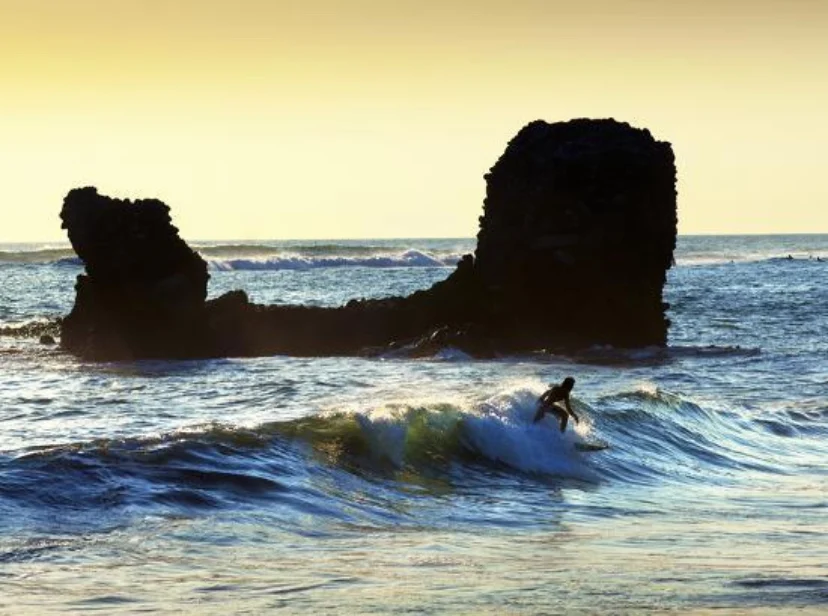
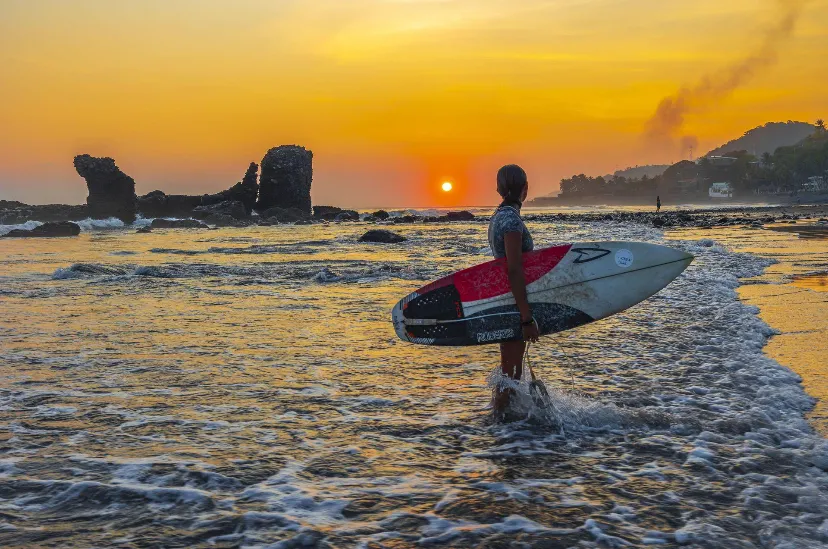
Tourism is a growing industry, driven by the country’s natural beauty and cultural heritage. The Pacific coastline is especially popular among surfers due to consistent waves. Beaches like El Tunco attract visitors from around the world. Inland, the country features scenic routes such as the Ruta de las Flores, a series of colorful towns known for festivals, crafts, and coffee plantations. Historical towns like Suchitoto offer colonial architecture, cobblestone streets, and views of Lake Suchitlán.
El Salvador is also known as “the land of volcanoes” because it has more than 20 volcanoes, some of which are still active. Volcanoes like Santa Ana (Ilamatepec) and Izalco are popular hiking destinations, offering panoramic views and unique geological landscapes. These natural features make the country a strong destination for adventure tourism.
Culturally, El Salvador has a rich blend of Indigenous and Spanish influences. Traditional foods include pupusas, thick corn tortillas filled with cheese, beans, or meat, which are considered the national dish. Music styles range from cumbia and salsa to modern Latin pop, and festivals are celebrated throughout the year with colorful parades and religious events.
Despite economic challenges and a history of conflict, El Salvador has made progress in improving security, infrastructure, and digital innovation in recent years. The country continues to evolve while maintaining its cultural traditions and strong community identity.
Overall, El Salvador is a small but dynamic nation defined by its volcanoes, beaches, vibrant culture, and resilient people.