
Travel to Grenada

 4 photos
Grenada is a small island country located in the southeastern Caribbean Sea, just north of Trinidad and Tobago and south of Saint Vincent and the Grenadines. It is often called the “Island of Spice” because of its major production of spices such as nutmeg, cinnamon, and cloves. Despite its small size, Grenada is known for its rich natural beauty, friendly communities, and strong cultural traditions.
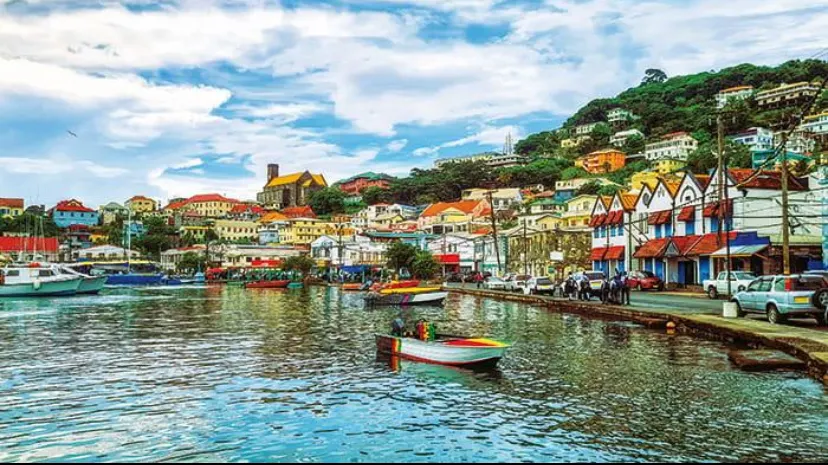
The capital city is St. George’s, widely regarded as one of the most picturesque port cities in the Caribbean. It is built around a horseshoe-shaped harbor, with colorful buildings climbing the surrounding hillsides. The city serves as the country’s political and economic center and is a popular stop for cruise ships. Its historic architecture and waterfront scenery make it one of the most photographed capitals in the region.
Grenada’s history began with Indigenous peoples, including the Kalinago, who inhabited the island long before European arrival. Christopher Columbus is believed to have sighted the island in 1498 during his third voyage. In the centuries that followed, the island became a point of conflict between France and Britain. The British eventually gained control in the late 18th century, and Grenada remained a British colony until it gained independence on February 7, 1974.
One of Grenada’s most important economic activities is agriculture, particularly spice farming. The country is one of the world’s leading exporters of nutmeg and mace. These spices are grown on plantations across the island and play a central role in its identity and economy. In addition to spices, cocoa and bananas are also important agricultural products.
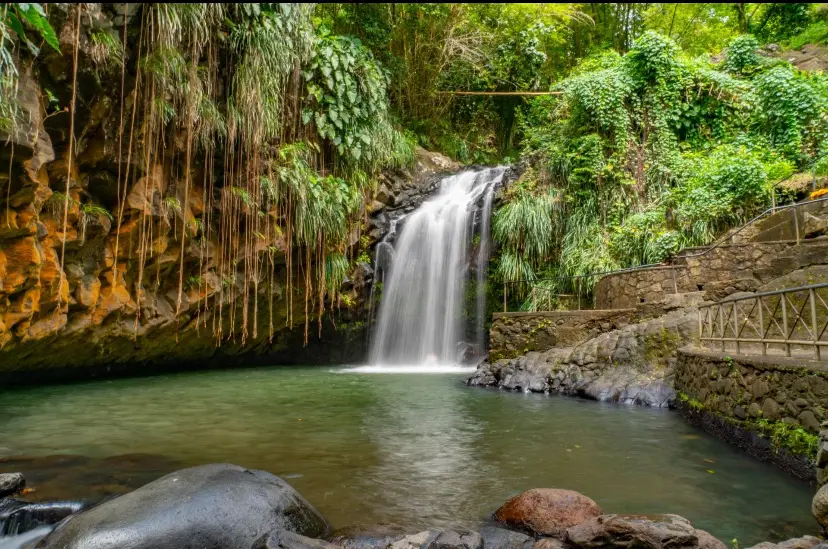
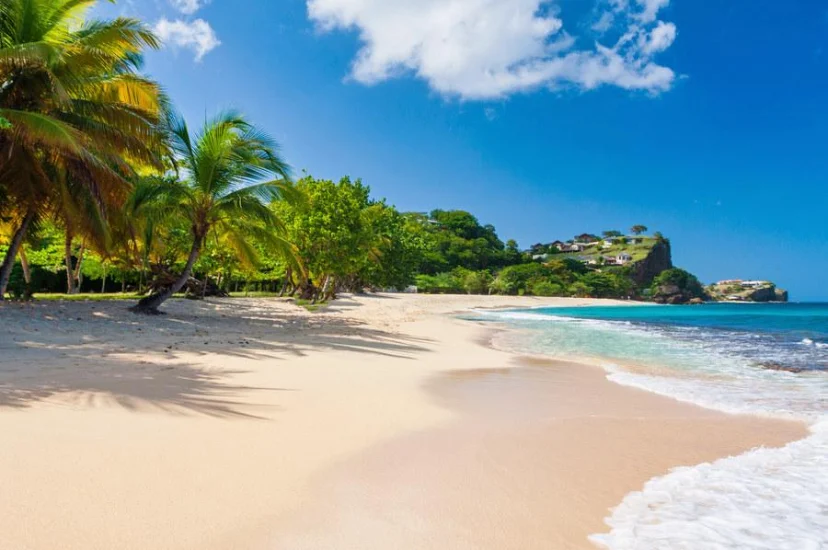
Tourism is another key sector of Grenada’s economy. Visitors are attracted to its pristine beaches, lush rainforests, and underwater attractions. Grand Anse Beach is one of the most famous beaches, known for its long stretch of white sand and calm turquoise waters. Nature lovers also visit waterfalls like Annandale Falls, where dense rainforest surrounds cascading water pools.
Grenada is also famous for its unique underwater sculpture park located in Molinere Bay. This site features a collection of submerged sculptures created by artist Jason deCaires Taylor. The sculptures serve both as an artistic attraction and as artificial reefs that support marine life, making it a popular destination for divers and snorkelers.
The island has a diverse and vibrant culture influenced by African, European, and Indigenous heritage. Music plays an important role in daily life, with genres such as calypso, soca, reggae, and steelpan music widely enjoyed. The annual Carnival celebration, known as “Spicemas,” is one of the biggest cultural events in Grenada, featuring colorful costumes, parades, and energetic street performances.
Grenadian cuisine reflects its spice-rich agriculture, with dishes such as oil down (a traditional one-pot meal), curries, and seafood prepared with local herbs and spices. The strong flavor profile of Grenadian food is closely tied to the island’s identity as a spice-producing nation.
Today, Grenada is known for its stable government, strong sense of community, and growing tourism industry. Its combination of natural beauty, agricultural heritage, and cultural vibrancy makes it one of the most distinctive and charming islands in the Caribbean region.