
Travel to Guatemala
 4 photos
Guatemala is a country located in Central America, bordered by Mexico to the north and west, Belize to the northeast, Honduras and El Salvador to the east, and the Pacific Ocean to the south. It is known for its dramatic landscapes, rich Mayan heritage, and strong Indigenous culture. Guatemala is one of the most culturally diverse countries in the region, with a population that includes many Indigenous Mayan communities who preserve languages, traditions, and customs that date back thousands of years.
The capital city is Guatemala City, the largest urban center in Central America. It is the political, economic, and transportation hub of the country. The city has modern districts with skyscrapers and shopping centers, but also historic areas, museums, and colonial-era architecture. It is surrounded by mountains and volcanoes, giving it a striking geographical setting.
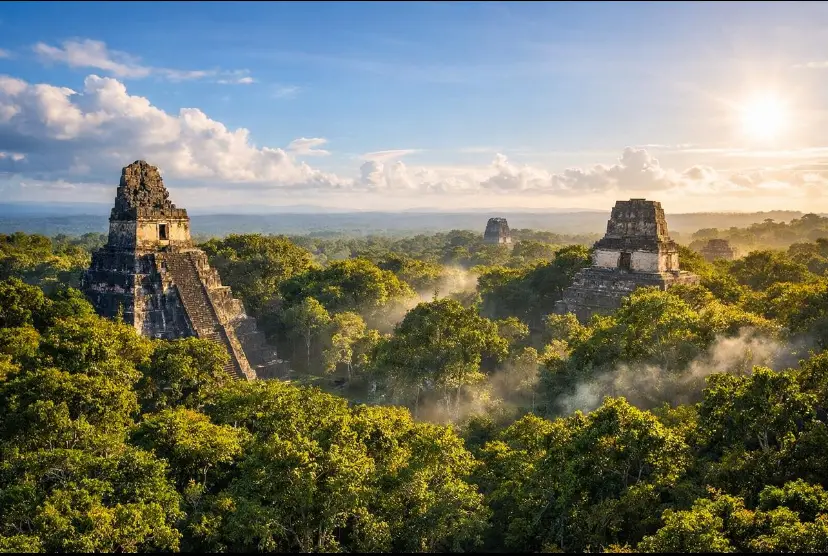
Guatemala has one of the richest ancient histories in the Americas. It was the heart of the great Mayan civilization, which flourished for centuries before the arrival of Europeans. Cities such as Tikal, El Mirador, and Quiriguá were major centers of politics, science, architecture, and astronomy. Today, sites like Tikal are UNESCO World Heritage Sites and remain among the most impressive ruins in the world.
The Spanish conquered the region in the 16th century, incorporating it into the Spanish Empire. Guatemala gained independence in 1821 along with other Central American countries. However, its modern history has been marked by political instability and a long civil war that lasted from 1960 to 1996. Since the peace accords, the country has worked to strengthen democracy and develop its economy, though challenges such as inequality and poverty still exist.
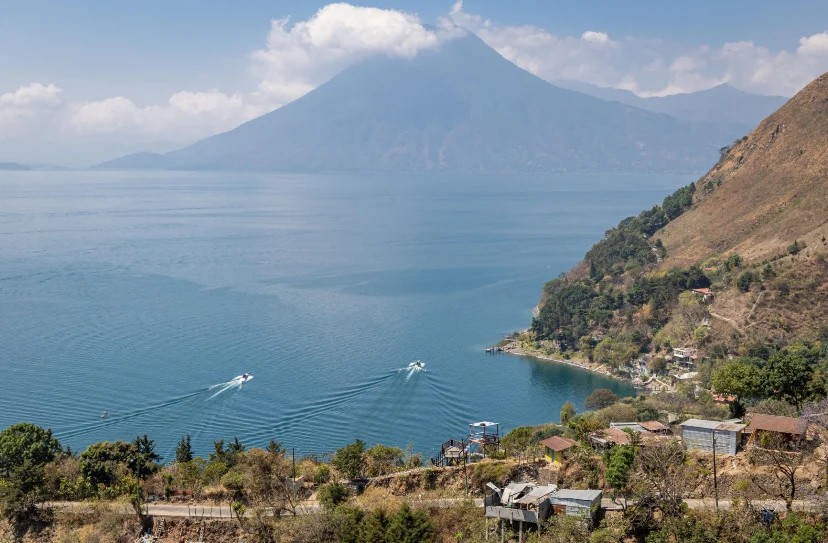
One of Guatemala’s most famous natural landmarks is Lake Atitlán, often described as one of the most beautiful lakes in the world. Surrounded by volcanoes and traditional Mayan villages, it is a major tourist attraction. The country is also home to more than 30 volcanoes, some of which are active, such as Pacaya and Fuego. These volcanoes shape both the landscape and the agricultural fertility of the region.
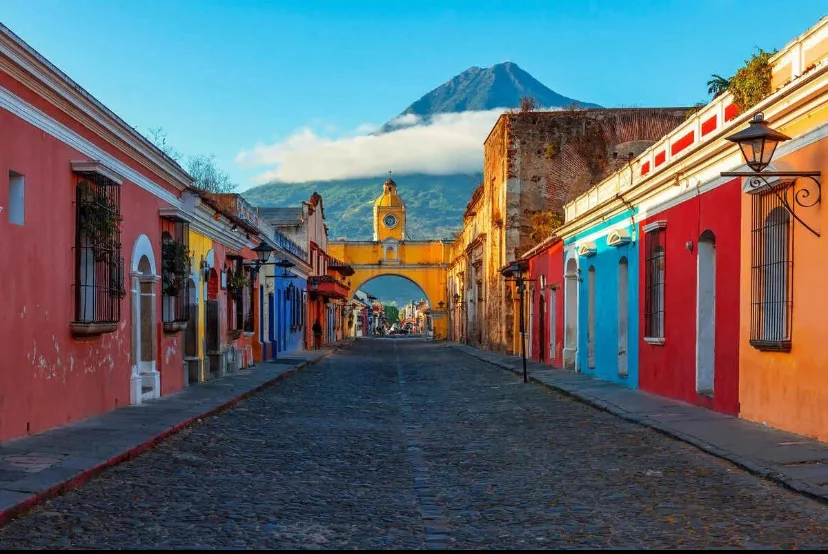
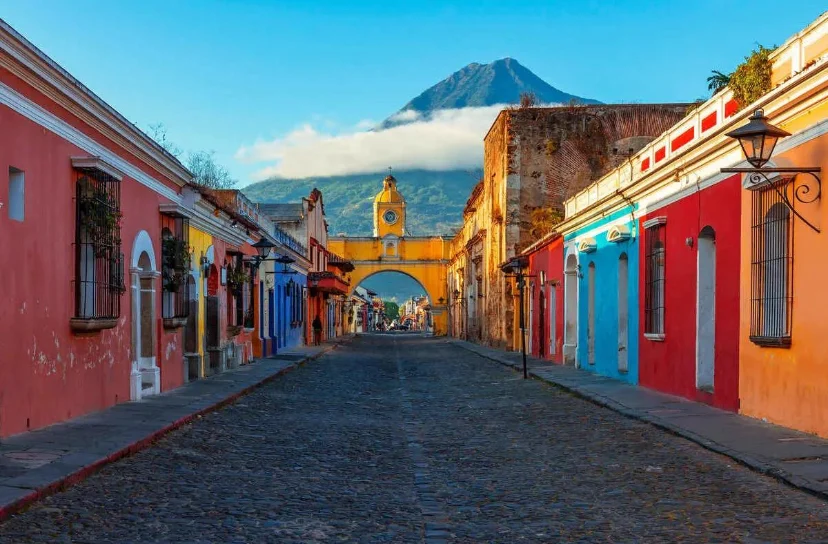
Tourism plays a growing role in the economy. Visitors come to explore ancient ruins, colonial cities like Antigua, volcanic landscapes, and vibrant Indigenous markets. Antigua Guatemala is especially popular, known for its well-preserved Spanish Baroque architecture, cobblestone streets, and surrounding volcano views. It is a UNESCO World Heritage Site and a major cultural center.
Agriculture is also very important. Guatemala is one of the world’s largest exporters of coffee, bananas, sugar, and cardamom. Coffee grown in highland regions is particularly valued for its quality. Many rural communities depend on farming as their primary source of income.
Culturally, Guatemala is deeply influenced by its Indigenous Maya heritage and Spanish colonial past. Traditional clothing called “traje” varies by region and is often handwoven with colorful patterns. Music, dance, and religious festivals play a central role in community life. The country also celebrates Holy Week (Semana Santa) with elaborate processions and street decorations, especially in Antigua