
Travel to Haiti
 4 photos
Haiti is a Caribbean nation located on the western side of the island of Hispaniola, which it shares with the Dominican Republic. It is the first independent Black republic in the world and the first country in Latin America and the Caribbean to gain independence from colonial rule. Despite facing long-standing economic and political challenges, Haiti has a deeply influential history, a rich cultural identity, and a resilient population.
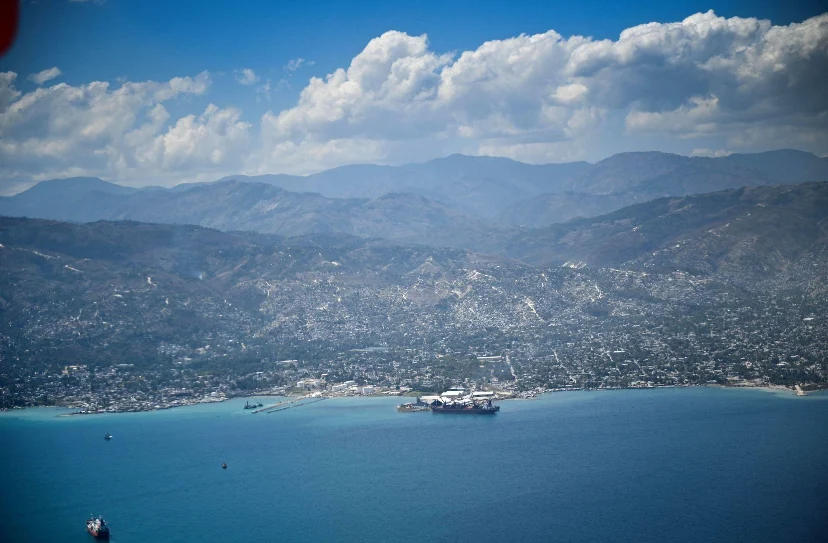
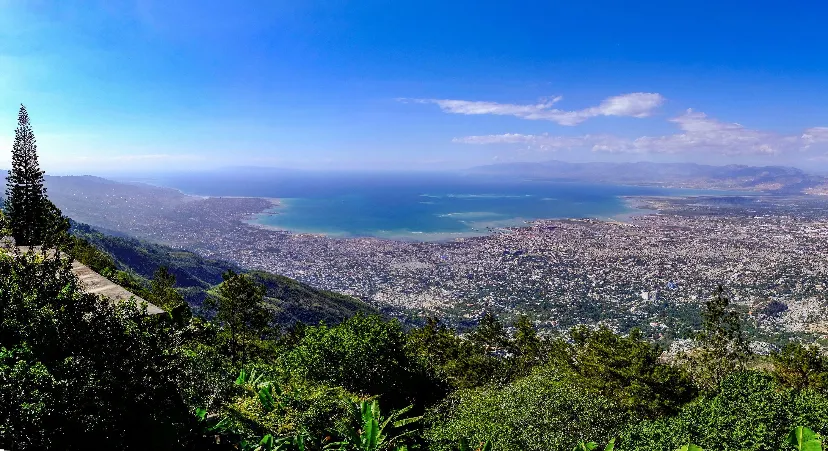
The capital city is Port-au-Prince, which is also the largest city and main economic center. It sits along the Gulf of Gonâve and serves as the hub for government institutions, trade, education, and transportation. The city has a mix of coastal development, crowded urban neighborhoods, and surrounding hills. Like much of Haiti, Port-au-Prince has been significantly affected by earthquakes and infrastructure challenges, but it remains the country’s most important urban center.
Haiti’s history is closely tied to colonization and revolution. Before European arrival, the island was inhabited by the Taíno people. In 1492, Christopher Columbus arrived on the island during his first voyage to the Americas, leading to Spanish colonization. Later, the western part of the island came under French control and became one of the wealthiest colonies in the Caribbean due to sugar plantations worked by enslaved Africans.
The turning point in Haiti’s history came with the Haitian Revolution (1791–1804), a successful uprising led by formerly enslaved people. One of the most important figures was Jean-Jacques Dessalines, who declared independence in 1804, establishing Haiti as the first independent Black republic and the second independent nation in the Americas after the United States. This revolution had a major global impact, inspiring other anti-colonial and anti-slavery movements.
Geographically, Haiti is highly mountainous, with much of its land covered by rugged terrain and narrow coastal plains. This landscape creates both natural beauty and agricultural challenges. The country experiences a tropical climate, with warm temperatures year-round and a rainy season that can bring hurricanes and flooding. Environmental degradation, including deforestation, has also affected the land over time.
Haiti’s economy is one of the lowest-income economies in the Western Hemisphere. Agriculture plays a major role, with crops such as coffee, mangoes, sugarcane, and rice being important for rural communities. Many Haitians also rely on remittances sent from abroad. Manufacturing and textiles contribute to exports, particularly in free trade zones. International aid and non-governmental organizations also play a significant role in development efforts.
Culture in Haiti is vibrant and globally influential. It is shaped by African, French, and Indigenous traditions. Haitian Creole and French are the official languages, with Creole being widely spoken in everyday life. Music styles such as compas, rara, and hip-hop are popular, and art is an important part of national identity, especially painting and sculpture. Religious traditions also blend Catholicism with Vodou practices, reflecting the country’s complex cultural history.
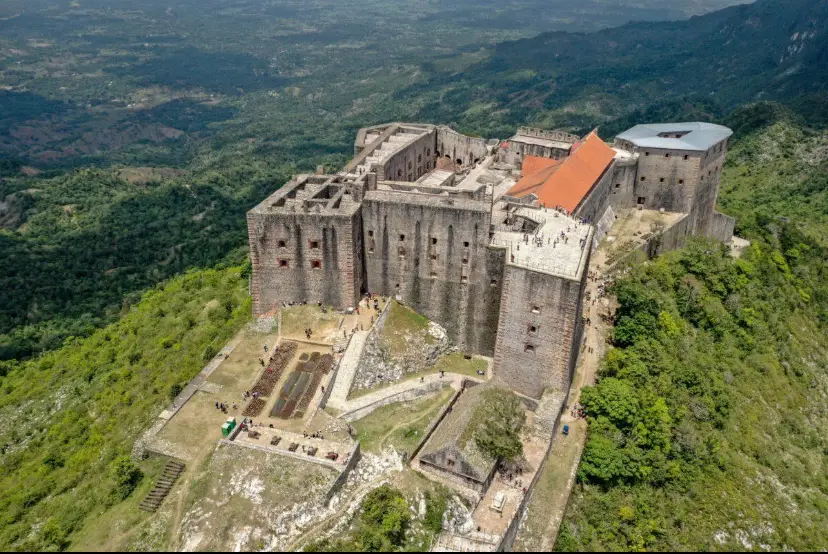
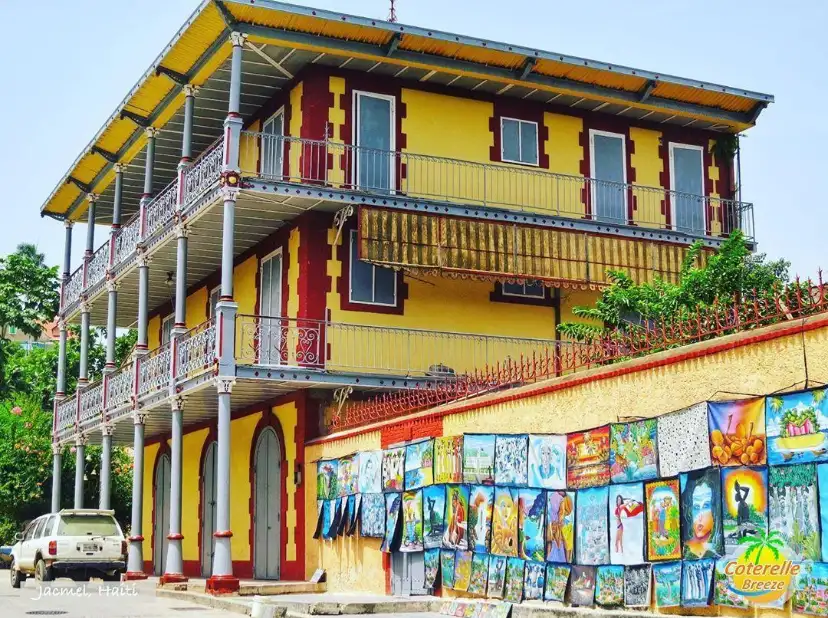
Major cultural and historical landmarks include the Citadelle Laferrière, a UNESCO World Heritage Site built after independence to defend against foreign invasion. The coastal city of Jacmel is also known for its arts scene and colonial architecture.
Today, Haiti continues to face significant challenges, including natural disasters, economic hardship, and political instability. However, it remains a country with a powerful historical legacy and a strong cultural identity that continues to influence the Caribbean and the wider world.