
Travel to Honduras
 4 photos
Honduras is a country located in Central America, bordered by Guatemala to the west, El Salvador to the southwest, Nicaragua to the southeast, and the Caribbean Sea to the north, with a smaller Pacific coastline on the Gulf of Fonseca. It is known for its diverse landscapes, which include tropical rainforests, mountains, Caribbean beaches, and important archaeological sites from the ancient Maya civilization.
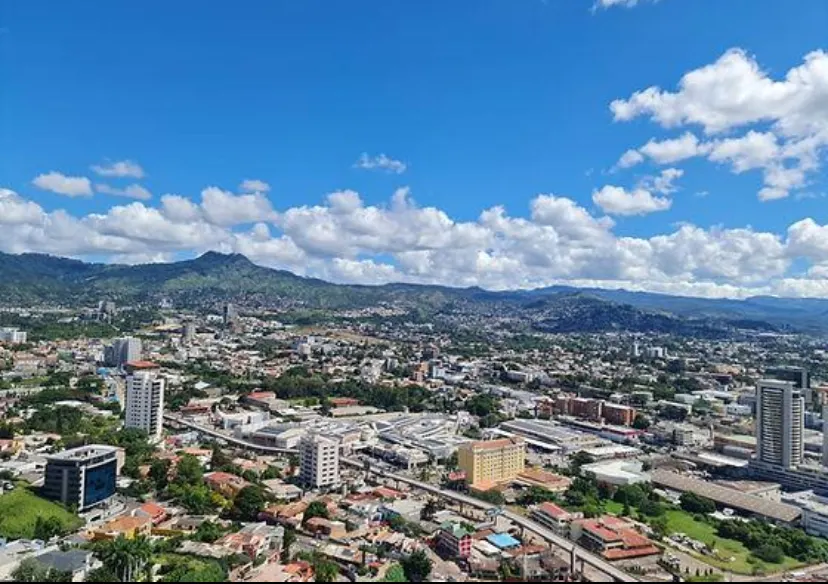
The capital city is Tegucigalpa, which is also the largest city in the country. It is located in a mountainous region in the south-central part of Honduras. Tegucigalpa serves as the political and administrative center, hosting government institutions, universities, and businesses. The city has a mix of modern development and older colonial-style neighborhoods, but it is also known for traffic congestion and rapid urban growth due to internal migration.
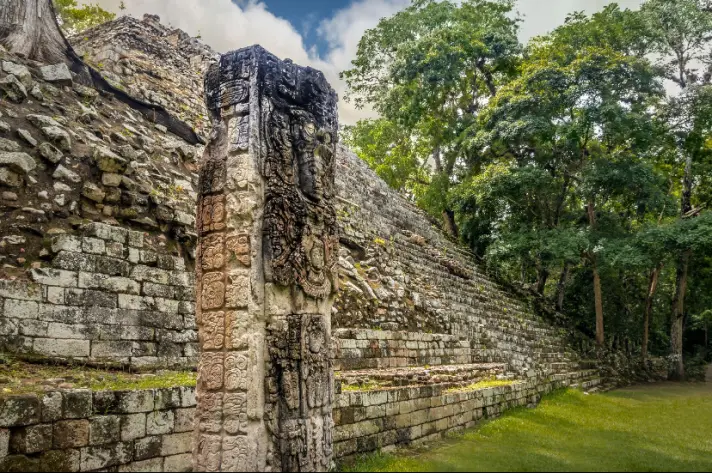
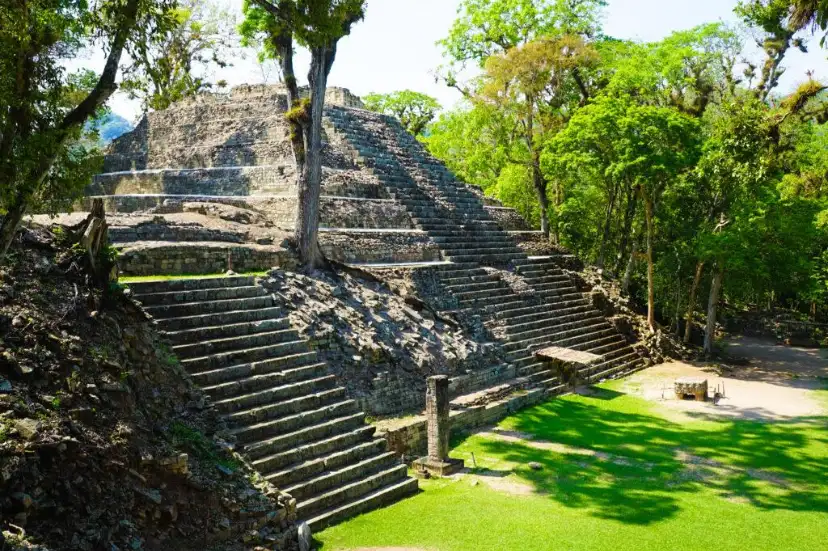
Honduras has a rich history that stretches back to the ancient Maya civilization. One of the most important archaeological sites is Copán, located in the western part of the country near the Guatemalan border. Copán is famous for its detailed stone carvings, hieroglyphs, and pyramids, and it is recognized as a UNESCO World Heritage Site. It was once a major cultural and political center of the Maya world.
The Spanish arrived in the early 1500s, and Honduras became part of the Spanish Empire under the Captaincy General of Guatemala. The country gained independence in 1821 along with other Central American nations. After independence, Honduras experienced periods of political instability, foreign influence, and economic challenges, including reliance on agricultural exports and multinational companies in the banana industry, which strongly shaped its modern history.
Agriculture remains an important part of the Honduran economy. Key exports include coffee, bananas, palm oil, and seafood. Coffee is especially important, with highland regions producing beans known for their quality and flavor. Many rural communities depend on farming for their livelihoods, although urban migration has increased in recent decades.
Tourism is also an important and growing industry. Honduras is known for its natural beauty, especially its Caribbean coastline and islands. The Bay Islands, including Roatán, Utila, and Guanaja, are popular destinations for diving and snorkeling due to their location along the Mesoamerican Barrier Reef, the second-largest coral reef system in the world. These areas attract visitors interested in marine life, coral reefs, and clear tropical waters.
The mainland features national parks and protected areas such as Pico Bonito National Park, which contains dense rainforest, rivers, and waterfalls. These areas are important for biodiversity conservation and eco-tourism. Wildlife such as jaguars, monkeys, and exotic birds can be found in these protected regions.
Honduran culture reflects a mix of Indigenous, African, and Spanish influences. Traditional music styles include punta and paranda, especially in Garifuna communities along the northern coast. Festivals, dance, and religious celebrations play a major role in community life. Food in Honduras includes dishes such as baleadas (flour tortillas filled with beans, cheese, and cream), tamales, and seafood dishes along the coast.
Today, Honduras faces challenges such as poverty, inequality, and crime, but it also has strong cultural traditions and significant natural resources. Its combination of ancient history, Caribbean coastline, and mountainous landscapes makes it one of the most geographically and culturally diverse countries in Central America.