
Travel to Mexico


 5 photos
Travelling to Mexico is one of those experiences that feels familiar and exciting at the same time. It’s a country that welcomes you with warmth, colour, and a sense of life that is hard to ignore. From the moment you arrive, there’s an energy in the air — whether you’re walking through a busy city street, relaxing by the ocean, or exploring a quiet town filled with history.
Mexico is widely known for its rich cultural background, but what makes it truly special is how that history is still part of everyday life. Ancient civilisations like the Maya and Aztecs left behind impressive landmarks that continue to draw visitors from around the world. Places like Chichén Itzá and Teotihuacán are not just historical sites — they are powerful reminders of a civilisation that once thrived with advanced knowledge, architecture, and deep cultural traditions.
At the same time, modern Mexico moves at its own rhythm. Cities like Mexico City blend history with contemporary living, offering everything from museums and art galleries to nightlife, shopping, and world-class dining. It’s a place where you can spend your morning exploring centuries-old ruins and your evening enjoying a modern rooftop restaurant overlooking the skyline.
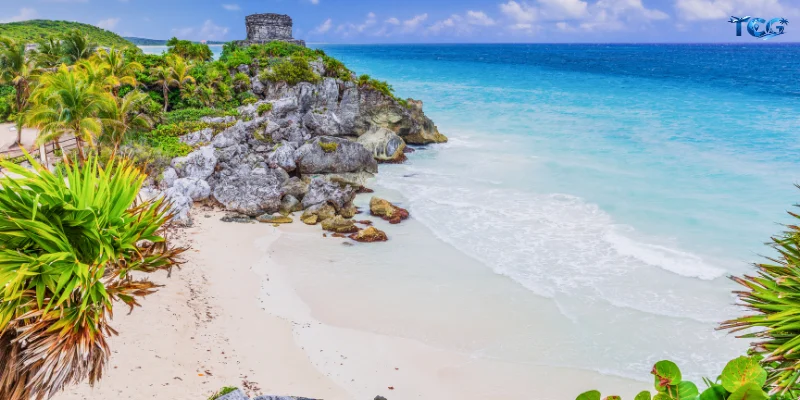
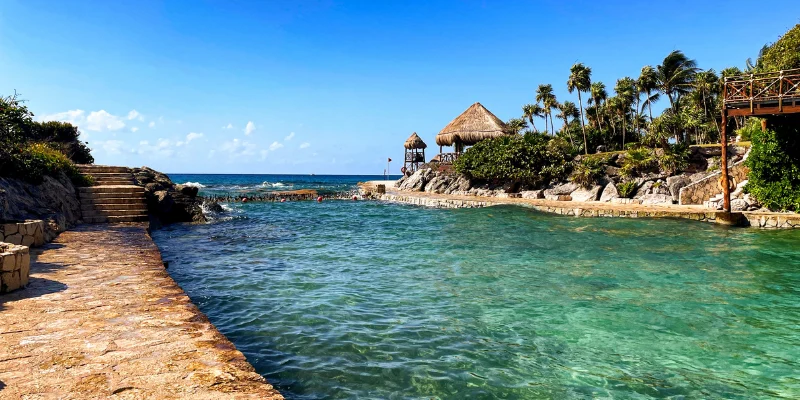
Beyond the cities, Mexico opens up into landscapes that feel completely different from one region to another. Along the Caribbean coast, destinations like Cancún and the Riviera Maya are known for their clear blue waters and white sandy beaches. These areas are perfect for relaxation, resort stays, and water activities. On the Pacific side, places like Cabo San Lucas and Puerto Vallarta offer a mix of coastal beauty and vibrant social life, attracting travellers looking for both leisure and entertainment.
For those who prefer something quieter, Mexico has countless towns and hidden spots that provide a more relaxed and authentic experience. Colonial towns like San Miguel de Allende and Guanajuato are filled with charm, colourful streets, and a slower pace of life. These places allow travellers to step away from busy tourist areas and experience Mexico in a more personal way.
One of the strongest parts of travelling to Mexico is the food. Mexican cuisine is known all over the world, but experiencing it in its home country is something entirely different. Meals are not just about eating; they are about connection, tradition, and flavour. From street tacos to fresh seafood, every dish tells a story. Each region has its own specialities, making food an important part of the journey, no matter where you go.
The people in Mexico also play a big role in shaping the experience. There is a natural friendliness and openness that visitors often notice right away. Whether you’re asking for directions, ordering food, or simply exploring, there’s a sense of hospitality that makes you feel comfortable and welcomed.
Travelling within Mexico is relatively easy, especially for visitors coming from the United States. There are frequent flights, short travel times, and a wide range of accommodation options from budget-friendly stays to luxury all-inclusive resorts. This accessibility is one of the reasons Mexico remains one of the most visited countries by Americans.
Another thing that makes Mexico stand out is its ability to offer different types of travel experiences within one destination. You can plan a relaxing beach vacation, a cultural exploration, an adventure trip, or even a mix of everything. Whether you’re travelling alone, as a couple, or with family, there’s something that fits your style.
Mexico is also known for its festivals and celebrations, which add another layer to the travel experience. Events like Día de los Muertos (Day of the Dead) showcase the country’s deep cultural roots in a way that is both meaningful and visually striking. Music, dance, and local traditions are not just for display — they are part of everyday life.
For travellers looking for value, Mexico offers a strong balance between quality and affordability. You can enjoy luxury experiences at a lower cost compared to many other destinations, making it attractive for both short trips and longer stays.
In many ways, Mexico is not just a destination. It’s a place you experience with all your senses. The colours, the sounds, the flavours, and the people all come together to create something that feels alive. It’s easy to see why so many travellers return again and again.
Whether you’re visiting for the beaches, the culture, the food, or simply a change of environment, Mexico offers a journey that feels complete. It’s a destination that doesn’t try too hard to impress. it simply does, naturally.


 Los Cabo
Los Cabos is a coastal resort region and municipality at the southern tip of Baja California Sur, Mexico. It comprises the twin cities of Cabo San Lucas and San José del Cabo, linked by a 20-mile (33-kilometer) tourist corridor of beaches and luxury resorts. The area is renowned for its dramatic desert-meets-sea landscape, vibrant marine life, and upscale tourism appeal. Set where the Pacific Ocean meets the Sea of Cortez (Gulf of California), Los Cabos combines arid mountains, coastal desert, and clear waters known for exceptional biodiversity. Average annual temperatures hover near 24 °C (75 °F); winters are mild and summers hot, with limited rainfall mainly in September. Tourism drives Los Cabos’s economy, supported by the international airport near San José del Cabo and a modern marina for cruise ships and yachts. The destination hosts events such as the Los Cabos Open (ATP 250) and international film and fishing tournaments, blending luxury hospitality with eco-adventure experiences.
 Mexico City
Mexico City (Spanish: Ciudad de México, CDMX) is the capital and largest metropolis of Mexico, built on the site of the Aztec capital Tenochtitlán. At over 2,200 meters (7,350 ft) above sea level in the Valley of Mexico, it is the political, cultural, and economic heart of the nation and among the most populous urban areas in the world. The city sits within a high plateau basin ringed by mountains and volcanoes such as Popocatépetl and Iztaccíhuatl. Built atop drained lakebeds, it faces subsidence and seismic risks. Air quality has improved in recent decades due to environmental reforms, though smog remains a challenge. Visitors experience a mix of Aztec archaeology, colonial architecture, and contemporary design. Signature experiences include riding trajineras through Xochimilco, exploring markets like La Merced, attending the city’s vibrant Día de los Muertos parades, and dining in world-renowned restaurants. Mexico City hosted the 1968 Summer Olympics and FIFA World Cups in 1970 and 1986, underscoring its global stature.
 Teotihuacan
Teotihuacán is an ancient Mesoamerican city located northeast of modern-day Mexico City. Flourishing between the 1st and 7th centuries CE, it was one of the largest urban centers in the pre-Columbian Americas and a major cultural, political, and religious hub. Today, it is a UNESCO World Heritage Site and a leading archaeological attraction in Mexico. Teotihuacán emerged around 100 BCE and expanded rapidly, becoming a planned metropolis with a grid layout. The city’s main axis, the Avenue of the Dead, connects its monumental structures. Residential compounds, workshops, and temples illustrate a highly organized society with advanced urban design and craftsmanship. Ongoing excavations continue to reveal insights into the city’s social organization, trade networks, and cosmology. As one of Mexico’s most visited archaeological parks, Teotihuacán attracts millions of tourists annually, offering a striking view into ancient urban achievement and enduring cultural heritage.
 Chichen Itza
Chichén Itzá is a pre-Columbian archaeological site in Mexico’s Yucatán Peninsula. Built by the Maya civilization between the 6th and 12th centuries CE, it became a major political, religious, and economic hub. Today it is a UNESCO World Heritage Site and one of the New 7 Wonders of the World, attracting millions of visitors annually. Dominating the site is El Castillo, a pyramid honoring the feathered serpent god Kukulcán. Its 365 steps correspond to the solar year, and during equinoxes sunlight creates a serpent-shaped shadow descending its stairway. Other notable features include the Great Ball Court, the Temple of the Warriors and adjacent Group of a Thousand Columns, the El Caracol Observatory, and the Sacred Cenote, used for offerings to the rain god Chaac. Chichén Itzá is open daily, Located 120 km from Cancún and 75 km from Mérida, it is accessible by road or organized tour. Visitors can explore about 10 square kilometers of ruins, learn from licensed guides, and witness the dramatic light and sound show Noches de Kukulcán at night. The nearby town of Pisté offers lodging and amenities for travelers.
 Cancun
Cancún is a coastal city and resort destination in the state of Quintana Roo, Mexico, situated on the northeastern tip of the Yucatán Peninsula along the Caribbean Sea. Known globally for its white-sand beaches, turquoise waters, and vibrant nightlife, it serves as the gateway to the Riviera Maya and one of Latin America’s leading tourist hubs. Before modern development, the area was home to small Maya fishing settlements. In 1970, Mexico’s federal government selected the site for a planned tourism project led by the National Fund for Tourism Development (FONATUR). Within decades, Cancún transformed from an uninhabited island into a world-class resort, drawing millions of visitors annually. Tourism drives Cancún’s economy. Visitors flock to beaches such as Playa Delfines, Playa Tortugas, and Playa Chac Mool. Nearby attractions include the Isla Mujeres, archaeological sites like El Rey and Chichén Itzá, and natural parks such as Xcaret. The Cancún Underwater Museum (MUSA), featuring over 500 submerged sculptures, highlights local reef-conservation efforts.