
Travel to Saint Vincent and the Grenadines

 4 photos
Saint Vincent and the Grenadines is a small island country located in the southern Caribbean Sea, part of the Lesser Antilles. It consists of the main island, Saint Vincent, and a chain of smaller islands known as the Grenadines, which stretch south toward Grenada. The country is known for its volcanic landscapes, clear blue waters, sailing destinations, and strong cultural traditions. Despite its small size, it has a rich history and an economy closely tied to agriculture and tourism.
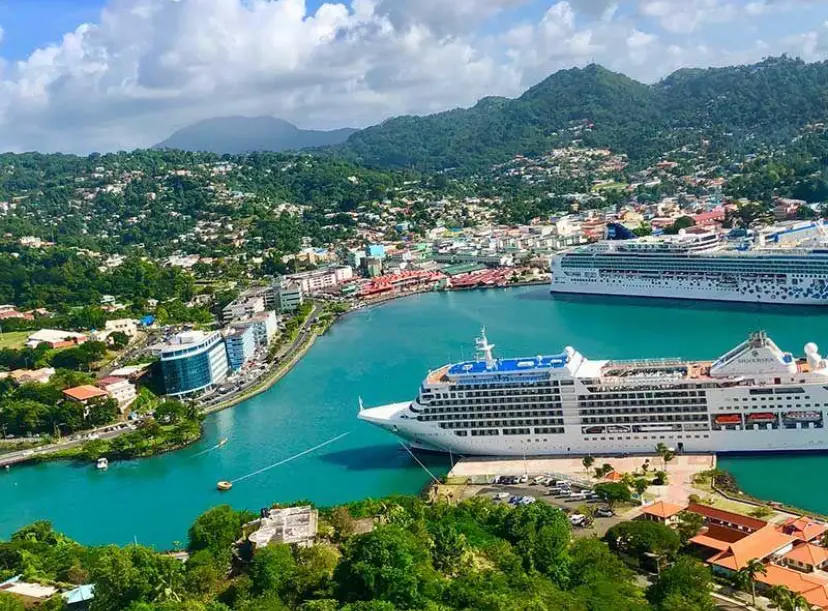
The capital city is Kingstown, located on the southwestern coast of Saint Vincent. Kingstown is the country’s main administrative and commercial center. It is often called the “City of Arches” because of its colonial-style stone architecture. The city has a busy harbor, markets, and churches, and serves as the primary gateway for trade and transportation.
Saint Vincent and the Grenadines has a history shaped by Indigenous peoples and European colonization. The Kalinago people originally inhabited the islands before European arrival. During the colonial period, the islands were contested by the French and British, with Britain eventually gaining control in the 18th century. The islands were used for plantation agriculture, particularly sugar, which relied on enslaved African labor. Saint Vincent and the Grenadines gained independence from the United Kingdom on October 27, 1979, and remains a member of the Commonwealth.
One of the most important natural landmarks is La Soufrière, an active stratovolcano located on the main island. It has erupted several times in history, including a significant eruption in 2021 that affected surrounding communities. Despite its volcanic activity, the surrounding land is fertile and supports agriculture and forest ecosystems.
The economy of Saint Vincent and the Grenadines is primarily based on agriculture, tourism, and small-scale services. Bananas have historically been the main export crop and remain important, although the sector has faced challenges from global competition and natural disasters. Farmers also grow root crops, vegetables, and tropical fruits for local consumption and export.
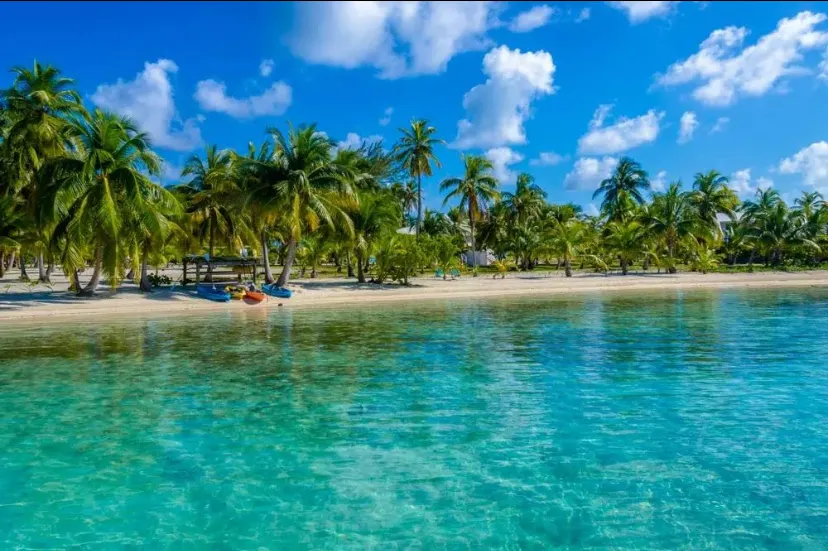
Tourism is a growing industry, especially in the Grenadines, which are known for luxury sailing, diving, and pristine beaches. Islands such as Bequia, Mustique, and the Tobago Cays attract visitors from around the world. The Tobago Cays Marine Park is especially famous for its coral reefs, sea turtles, and clear turquoise waters, making it a top destination for snorkeling and sailing.
The culture of Saint Vincent and the Grenadines reflects a blend of African, European, and Indigenous influences. Music is an important part of life, with genres such as calypso, soca, reggae, and steelpan widely enjoyed. The annual Vincy Mas Carnival is the country’s biggest cultural celebration, featuring parades, costumes, and energetic street performances.
Cuisine includes dishes such as roasted breadfruit, fried jackfish, and various seafood meals, often flavored with local spices and herbs. Community life is strong, with festivals, church events, and village gatherings playing an important role in social connection.
Today, Saint Vincent and the Grenadines is known for its natural beauty, volcanic landscapes, and vibrant cultural identity. Its combination of lush mountains, island chains, and warm Caribbean culture makes it one of the most distinctive small nations in the region.