
Travel to Australia


 4 photos
Australia is a country and continent located in the Southern Hemisphere, surrounded by the Indian Ocean and the Pacific Ocean. It is the world’s sixth-largest country by land area but has a relatively small population of around 27 million people. Australia is known for its unique wildlife, vast landscapes, modern cities, and high quality of life.
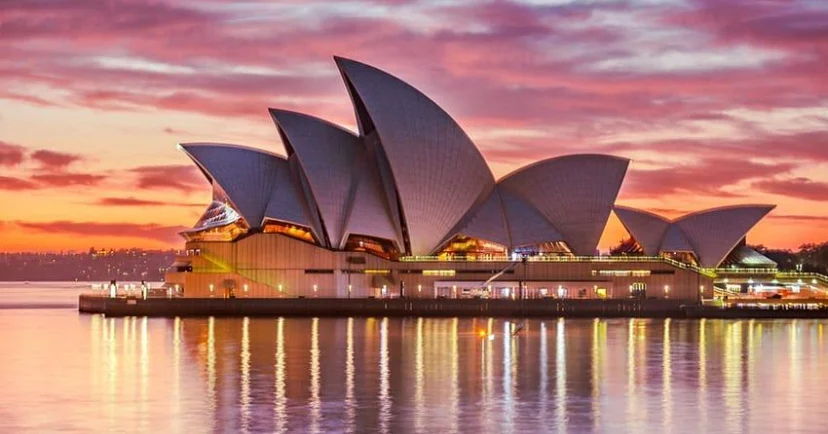
The capital city is Canberra, which was purpose-built as a compromise between the larger cities of Sydney and Melbourne. Canberra is the political center of the country, hosting the Parliament House, national institutions, and embassies. However, the largest and most internationally recognized cities include Sydney, famous for its harbour and Opera House, and Melbourne, known for culture, sports, and arts.
Australia has a long history of human habitation. Indigenous Australians, including Aboriginal and Torres Strait Islander peoples, have lived on the continent for at least 50,000 years, developing rich cultures, languages, and traditions deeply connected to the land. In 1770, British explorer James Cook mapped the east coast, and in 1788 Britain established a penal colony in New South Wales. Over time, additional colonies were formed, and in 1901 they federated to create the modern nation of Australia.
Today, Australia is a constitutional monarchy and parliamentary democracy. It is a member of the Commonwealth of Nations, and the British monarch serves as the ceremonial head of state. Australia is also a stable and highly developed nation with strong democratic institutions and a robust legal system.
The Australian economy is one of the largest in the Asia-Pacific region. It is driven by mining, agriculture, education, tourism, and services. The country is rich in natural resources such as iron ore, coal, gold, and natural gas, making it a major global exporter. Australia also has a strong financial sector and a high standard of living.
Australia’s geography is extremely diverse. The interior, known as the Outback, is largely arid and sparsely populated, featuring deserts and rugged terrain. Coastal regions, where most people live, have more fertile land and temperate climates. One of the world’s most famous natural wonders is the Great Barrier Reef, the largest coral reef system on Earth.
Another iconic landmark is Uluru, a massive sandstone rock formation that is sacred to Indigenous Australians. The country also has unique wildlife, including kangaroos, koalas, wombats, and platypuses, many of which are found nowhere else in the world.
Australian culture is a blend of Indigenous heritage and multicultural influences from Europe, Asia, and beyond. English is the official language, and the country is known for its relaxed lifestyle, outdoor activities, and sports culture. Popular sports include cricket, rugby, and Australian Rules Football.
Tourism is a major industry, with visitors drawn to cities like Sydney and Melbourne, natural attractions like the Great Barrier Reef, and unique landscapes such as the Outback. Coastal beaches, national parks, and rainforests also contribute to Australia’s global appeal.
In conclusion, Australia is a vast and diverse country with ancient cultural roots, modern cities, and extraordinary natural landscapes. From its Indigenous heritage to its global economic role, Australia stands out as a unique nation that blends nature, history, and modern development.