
Travel to Marshall Islands

 4 photos
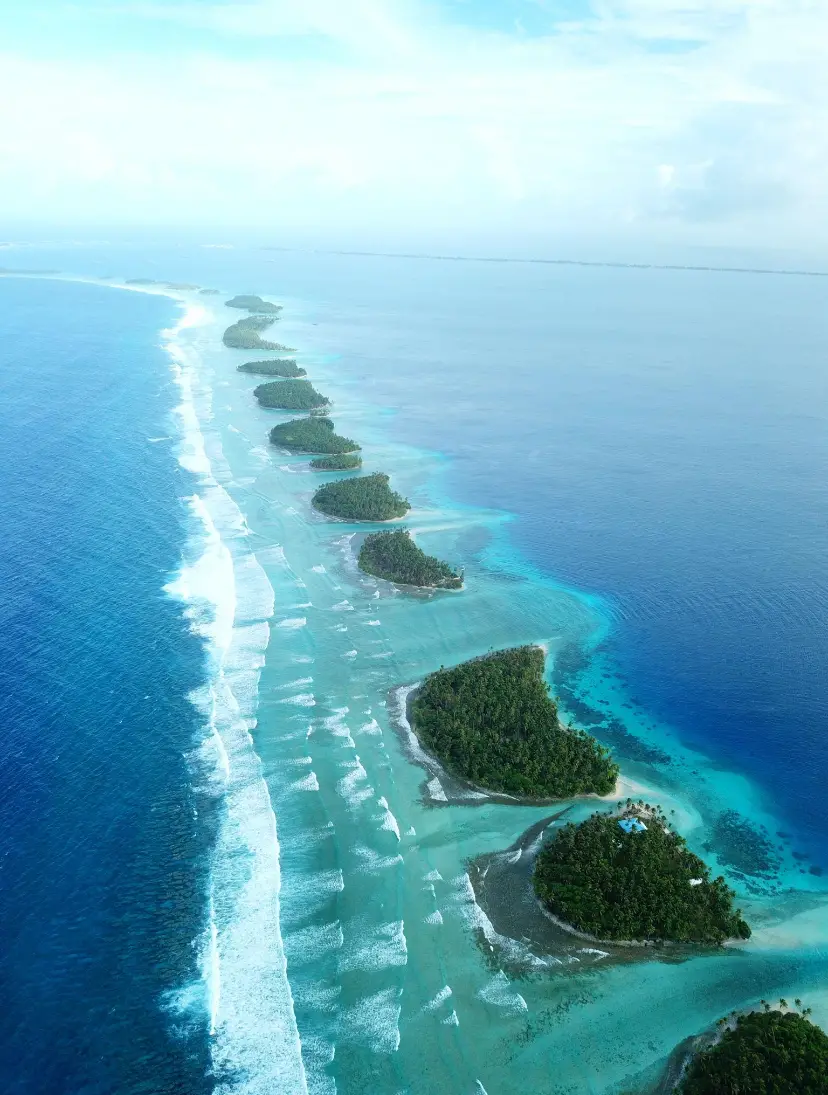
The Marshall Islands is a small island nation located in the central Pacific Ocean, part of the region of Oceania. It is made up of 29 atolls and 5 individual islands, spread across a vast area of ocean. Despite having a total land area of just about 180 square kilometers, the country’s exclusive economic zone covers over 2 million square kilometers of ocean, making it a highly maritime nation.
The population of the Marshall Islands is around 40,000 to 60,000 people. Most residents live on two main urban centers: the capital region of Majuro Atoll and Ebeye Island. Life is strongly shaped by the ocean, with fishing, navigation, and marine resources playing a central role in daily survival and culture.
The capital city is Majuro, located on Majuro Atoll. Majuro serves as the political, economic, and administrative heart of the country. It contains government offices, schools, hospitals, and the main international airport. Although it is the capital, Majuro is not a typical city ,it is a long, narrow strip of land surrounded by a lagoon, with housing and infrastructure built closely along the shoreline.
Another major population center is Ebeye, located on Kwajalein Atoll. Ebeye is one of the most densely populated islands in the Pacific. It is home to many workers who support nearby U.S. military facilities on Kwajalein Island. Living conditions are crowded, and the island faces challenges related to housing, water supply, and infrastructure.
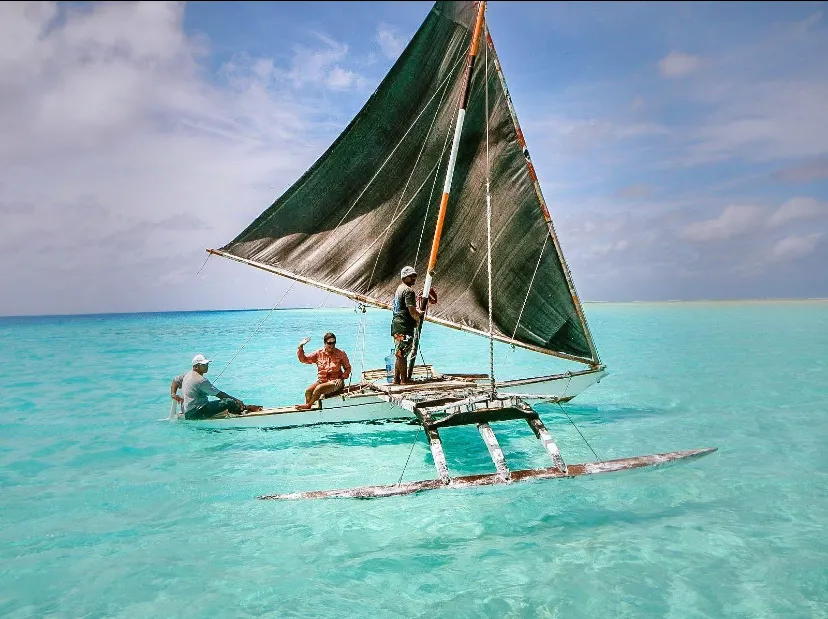
The Marshall Islands has a rich cultural history rooted in Micronesian traditions. The original Marshallese people settled the islands thousands of years ago, developing advanced navigation skills using stars, wave patterns, and ocean currents. These traditional navigation techniques allowed them to travel across vast distances of ocean long before modern technology.
European contact began in the 16th century, but more sustained interaction started in the 19th century with traders, missionaries, and whalers. The islands later became part of the German Empire, then were administered by Japan after World War I, and eventually came under United States administration after World War II as part of the Trust Territory of the Pacific Islands.
During the Cold War, the Marshall Islands became internationally significant due to U.S. nuclear testing conducted at Bikini Atoll and Enewetak Atoll between 1946 and 1958. These tests had long-term environmental and health impacts, and the legacy of nuclear testing remains an important part of the country’s modern history and identity.
The Marshall Islands gained independence in 1986 through a Compact of Free Association with the United States. Under this agreement, the U.S. provides financial assistance, defense, and access to certain services, while the Marshall Islands grants military access and cooperation.
The economy of the Marshall Islands is small and heavily dependent on foreign aid, particularly from the United States. Other important sources of income include fishing license fees, shipping registry services, and remittances from citizens working abroad. Agriculture is limited due to poor soil quality and saltwater intrusion, but coconuts, breadfruit, and pandanus are traditionally important crops.
Geographically, the islands are low-lying coral atolls that rise only a few meters above sea level. They are extremely vulnerable to climate change and rising sea levels. Flooding, coastal erosion, and saltwater contamination of freshwater sources are major concerns. The government has been one of the most vocal international advocates for climate action.
The environment of the Marshall Islands is defined by coral reefs, lagoons, and ocean ecosystems. These waters are rich in marine life, supporting fishing and biodiversity. However, environmental pressures such as overfishing, pollution, and climate change threaten these fragile ecosystems.
The official languages are Marshallese and English. Marshallese culture places strong emphasis on community, family ties, and respect for traditional leaders known as iroij. Traditional navigation, canoe building, and storytelling remain important cultural practices, although modern lifestyles are increasingly influenced by globalization.
Education and healthcare systems are limited but supported by international aid and partnerships. Many students travel abroad for higher education, especially to the United States and other Pacific nations.
In conclusion, the Marshall Islands is a small but culturally rich Pacific nation defined by its ocean environment, scattered atolls, and resilient communities. Despite serious challenges such as climate change and limited resources, it maintains a strong identity rooted in traditional knowledge, maritime heritage, and close community ties.