
Travel to Micronesia

 4 photos
The Federated States of Micronesia (FSM) is a small island nation located in the western Pacific Ocean, part of the region of Oceania. It consists of 607 islands spread across a vast area of ocean, though the total land area is only about 700 square kilometers. Despite its small landmass, FSM controls an exclusive economic zone of over 2.6 million square kilometers, giving it significant maritime importance.
The country has a population of around 100,000 to 115,000 people. Its population is spread across four main states: Yap, Chuuk, Pohnpei, and Kosrae. Each state has its own distinct culture, traditions, and languages, making Micronesia culturally diverse despite its small size.
The capital city is Palikir, located on the island of Pohnpei. Palikir is a small administrative center that houses the national government, including the president’s office and other federal institutions. However, the largest population center is Kolonia, also on Pohnpei, which serves as the main commercial hub.
The history of Micronesia stretches back thousands of years, with Austronesian peoples settling the islands through skilled ocean navigation. Traditional navigation using stars, ocean swells, and wind patterns allowed early Micronesians to travel across vast distances without modern instruments.
European contact began in the 16th century with Spanish explorers. Over time, the islands came under different colonial administrations, including Spain, Germany, and Japan. After World War II, Micronesia became part of the United States-administered Trust Territory of the Pacific Islands. In 1986, FSM gained independence through a Compact of Free Association with the United States, which still provides defense support and financial assistance.
Each of the four states in Micronesia has its own identity:
* Yap is famous for its traditional culture, including large stone money disks used in ceremonial exchanges.
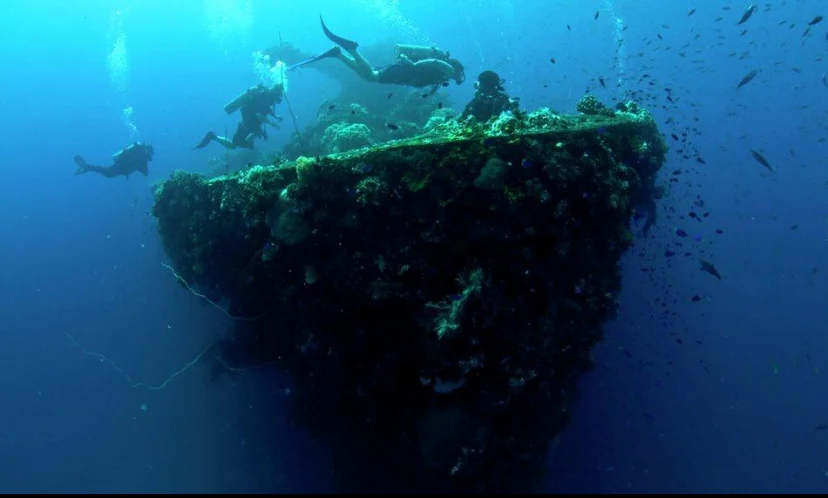
* Chuuk is known for its lagoon and World War II shipwreck diving sites, making it a major destination for divers.
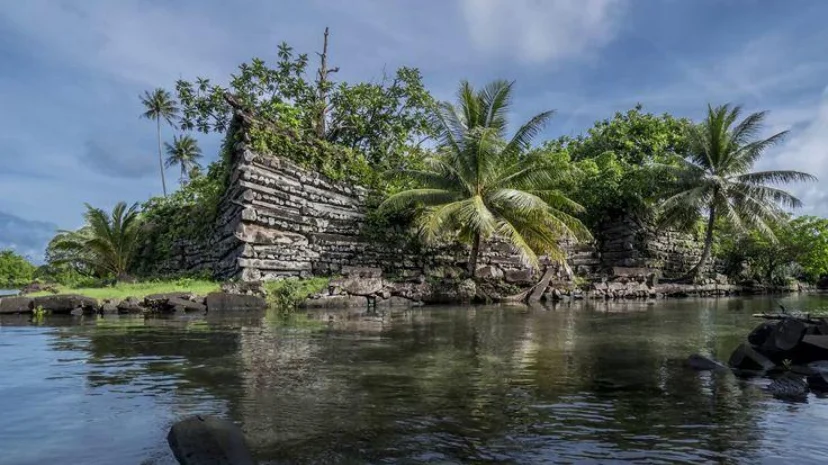
* Pohnpei is the political and economic center and home to the ancient archaeological site Nan Madol, often called the “Venice of the Pacific” due to its stone canals and ruins.
* Kosrae is the easternmost state, known for its lush forests, mountains, and coral reefs.
The economy of Micronesia is small and heavily dependent on external aid, particularly from the United States under the Compact of Free Association. Government services are the largest employer. Other important economic activities include fishing, subsistence agriculture, and small-scale tourism. Fishing rights in the country’s vast ocean territory also provide significant revenue.
Geographically, Micronesia consists of volcanic islands and coral atolls. The volcanic islands, such as Pohnpei and Kosrae, are mountainous and covered in dense rainforest. The atolls, such as those in Chuuk and Yap, are low-lying and surrounded by lagoons and coral reefs. This diversity creates a wide range of ecosystems, from mangrove forests to deep ocean habitats.
The climate is tropical, with high humidity and rainfall throughout the year. The islands are vulnerable to typhoons, coastal erosion, and rising sea levels due to climate change. These environmental challenges are a major concern for the country’s future, especially for low-lying atolls.
Micronesian culture is deeply rooted in community life, traditional leadership, and respect for elders. Each state has its own languages and customs, and English is used as the official language for government and education. Traditional crafts, canoe building, navigation techniques, and storytelling remain important cultural practices.
Food in Micronesia is based on local resources such as fish, taro, breadfruit, coconut, and yam. Fishing is central to both diet and culture, and many communities rely on the ocean for daily survival.
Transportation between islands is often by small boats or limited air services, making travel difficult and expensive. This isolation has helped preserve traditional lifestyles but also limits economic development and access to services.
In conclusion, the Federated States of Micronesia is a small but culturally rich Pacific nation defined by its scattered islands, deep ocean heritage, and strong traditional identities. Despite economic and environmental challenges, it remains a resilient country with a unique blend of ancient navigation traditions and modern global connections.