
Travel to New Zealand
 3 photos
New Zealand (Māori: Aotearoa) is a sovereign island nation in the southwestern Pacific Ocean and part of Oceania. Comprising the North Island, South Island, and numerous smaller islands, it is renowned for dramatic natural scenery, Māori heritage, and a stable democracy. Its isolation fostered unique ecosystems and a distinctive bicultural society. Located about 1,600 km southeast of Australia across the Tasman Sea, New Zealand sits astride the Pacific Ring of Fire. The North Island features volcanic plateaus and geothermal zones such as Rotorua, while the South Island hosts the Southern Alps crowned by Aoraki/Mount Cook (3,724 m). Fjords, beaches, glaciers, and fertile plains make the country a biodiversity hotspot with many endemic species, including the flightless kiwi. Active in regional and global affairs, New Zealand supports peacekeeping, climate action, and Pacific partnerships. It champions indigenous rights and environmental stewardship, reflecting national priorities for sustainability and social equity.
Hotels in New Zealand
 Rotorua
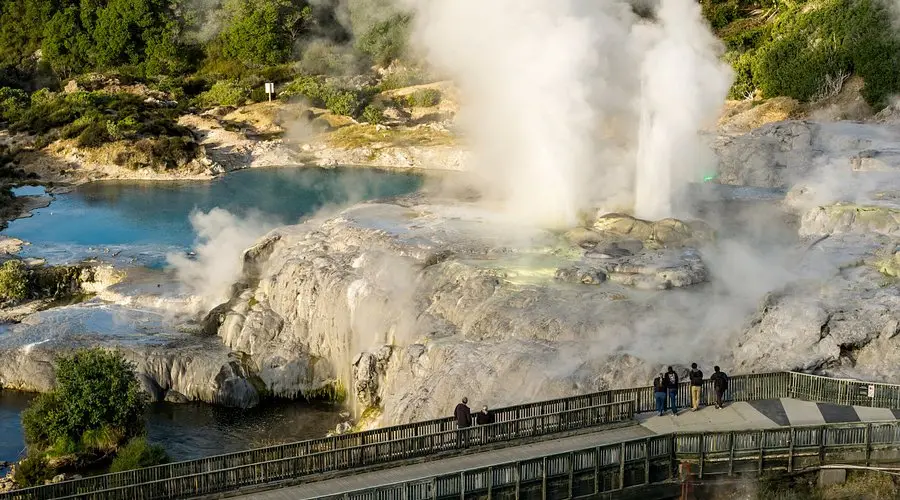
Rotorua is a city in the Bay of Plenty region on New Zealand’s North Island, known for its extraordinary geothermal activity, Māori cultural heritage, and outdoor recreation. Set beside Lake Rotorua within the Taupō Volcanic Zone, it is among the country’s most distinctive and visited destinations. Rotorua sits atop an active geothermal field that fuels its famed hot springs, mud pools, and geysers. Sites such as Wai-O-Tapu Thermal Wonderland, Waimangu Volcanic Valley, and Te Puia Geothermal Park showcase colorful terraces and the erupting Pōhutu Geyser. Thermal bathing, spa therapy, and wellness tourism have shaped the city since the 19th century, when it was developed as a colonial spa resort.
Tongariro National Park
Tongariro National Park is a UNESCO World Heritage site located in the central North Island of New Zealand. It is the country’s oldest national park, renowned for its dramatic volcanic landscapes, cultural significance to the Māori people, and diverse alpine ecosystems. The park attracts hikers, skiers, and sightseers from around the world. The park sits on a volcanic plateau and encompasses three active volcanoes: Mount Ruapehu, Mount Ngauruhoe, and Mount Tongariro. These peaks form part of the Taupō Volcanic Zone, an area of ongoing geothermal activity. The terrain includes alpine meadows, lava flows, crater lakes, and snowfields, making it one of the most geologically dynamic regions in New Zealand.
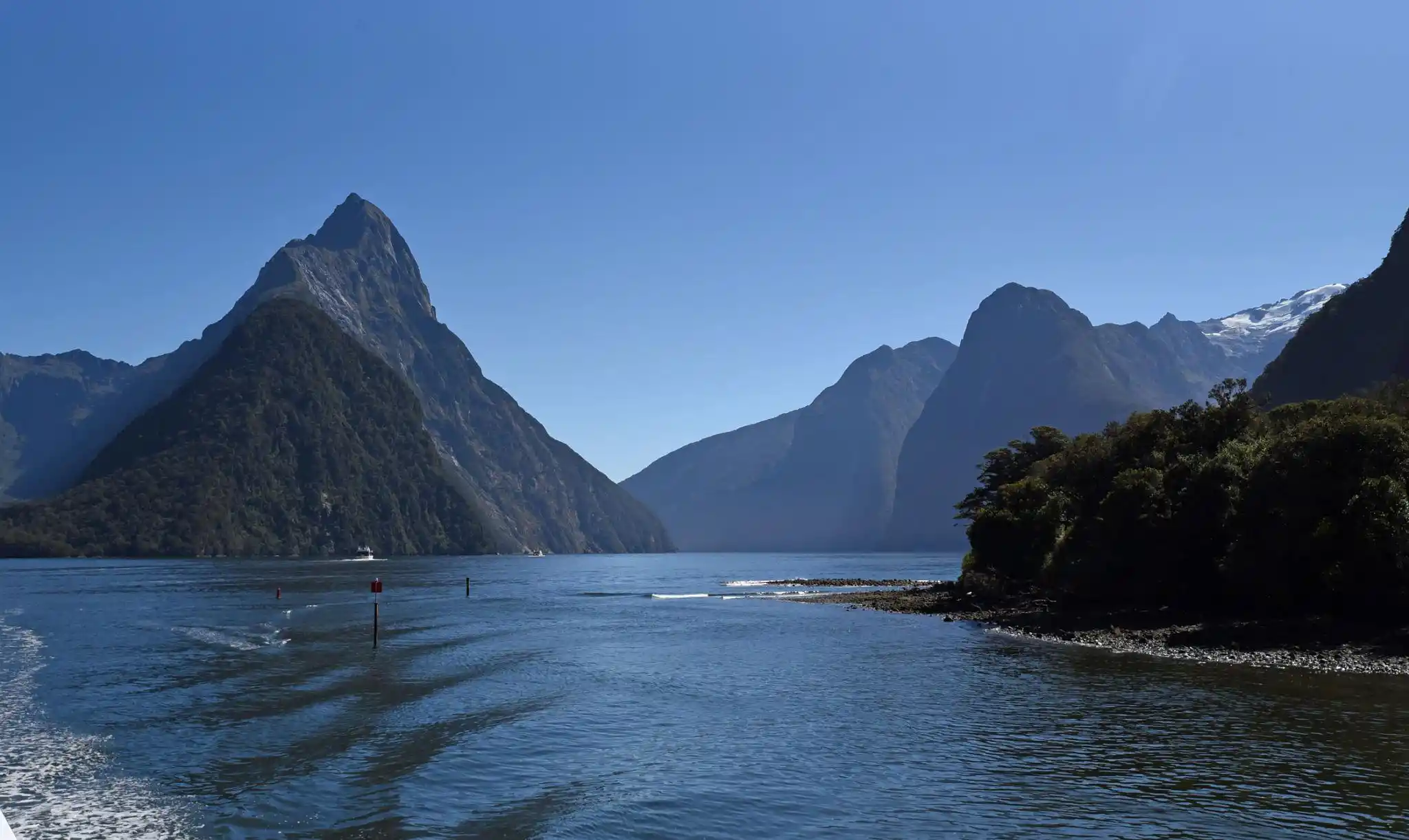 Explore Milford Sound
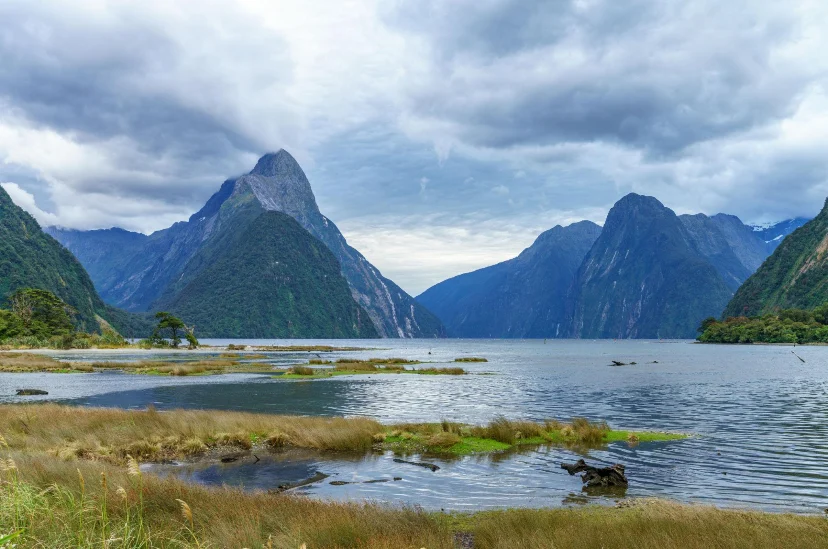
Milford Sound is a dramatic fjord located within Fiordland National Park, on the southwest coast of New Zealand’s South Island. Known for its towering cliffs, lush rainforests, and cascading waterfalls, it is one of the country’s most visited natural attractions and a UNESCO World Heritage Site within Te Wahipounamu. The fjord’s best-known landmark is Mitre Peak, an iconic, sharply pointed mountain reflected in the still waters of the sound. Major waterfalls include Stirling Falls and Lady Bowen Falls. The area hosts a variety of wildlife such as New Zealand fur seals, Fiordland crested penguins, and pods of dusky dolphins, often spotted on boat cruises or kayaking trips.
 Auckland
Auckland is the largest and most populous city in New Zealand, situated on the North Island between the Pacific Ocean and the Tasman Sea. Known as the “City of Sails,” it combines a dynamic urban center with abundant harbors, beaches, and volcanic landscapes that define much of the nation’s identity. It serves as New Zealand’s main economic and cultural hub. Auckland sits on an isthmus formed by over 50 extinct volcanoes, bordered by the Waitematā and Manukau Harbors. This geography gives the city a dual-coast character and easy access to the Hauraki Gulf’s islands, including Waiheke Island and Rangitoto Island. Its mild, maritime climate allows year-round outdoor life, from sailing and hiking to beach recreation.
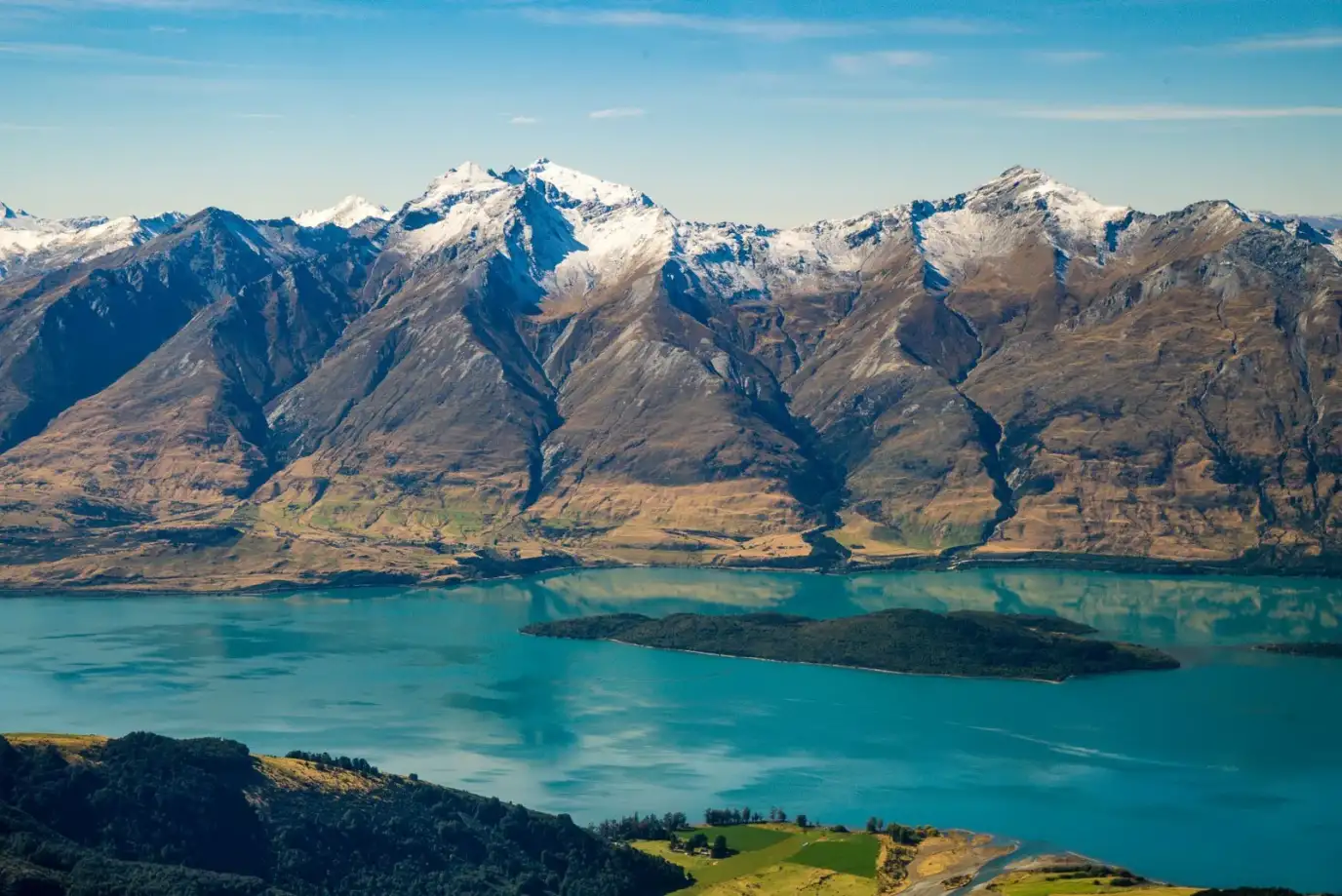 Visit QueensTown
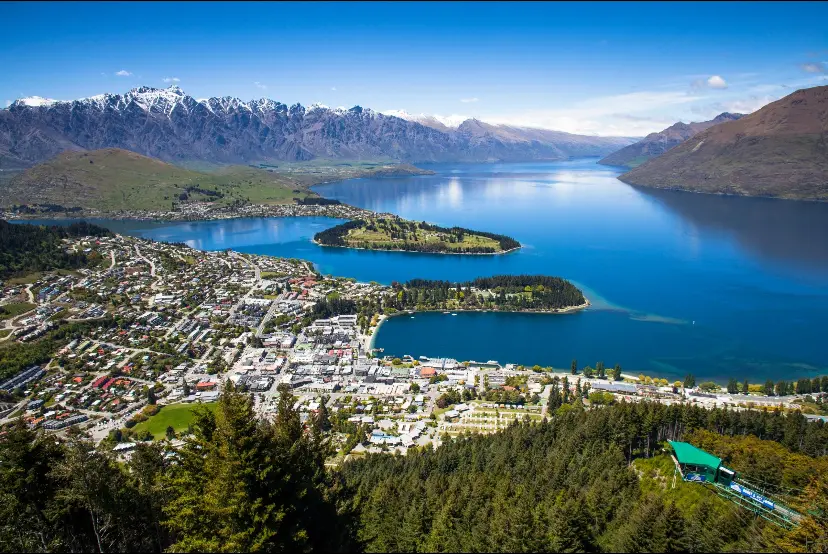
Nestled on the shores of Lake Whakatipu and surrounded by the Southern Alps, Queenstown is a resort town in Otago, New Zealand. Renowned as the nation’s “adventure capital,” it draws visitors year-round for world-class outdoor recreation, alpine scenery, and vibrant hospitality. Queenstown lies in a glacial valley on Lake Whakatipu, framed by peaks such as the Remarkables and Ben Lomond. Its alpine climate brings snowy winters ideal for skiing and mild, sunny summers suited to hiking and water sports. Four distinct seasons make it one of New Zealand’s few true year-round destinations. Known globally for adrenaline sports, Queenstown pioneered commercial bungee jumping at the Kawarau Bridge and offers skydiving, jet-boating on the Shotover River, paragliding, canyon swings, and heli-skiing. Nearby ski fields Coronet Peak and The Remarkables, make winter a major draw. In warmer months, visitors bike the Queenstown Trail or cruise the lake aboard the historic TSS Earnslaw.