
Travel to Palau


 4 photos
Palau is a small island nation located in the western Pacific Ocean. Although it is one of the world’s smallest countries in terms of population and land area, it is widely recognized for its stunning natural beauty, rich marine life, and strong commitment to environmental conservation. The country consists of more than 300 islands, many of which are surrounded by crystal-clear waters, coral reefs, and tropical forests. Palau lies southeast of the Philippines and is part of the region known as Micronesia.
The capital city of Palau is Ngerulmud, located on the island of Babeldaob, the largest island in the country. However, Koror remains the nation’s main commercial and population center. Palau has a population of roughly 18,000 people, making it one of the least populated sovereign states in the world. Despite its small size, the country has a diverse cultural heritage influenced by indigenous traditions, Spanish, German, Japanese, and American administrations throughout its history.
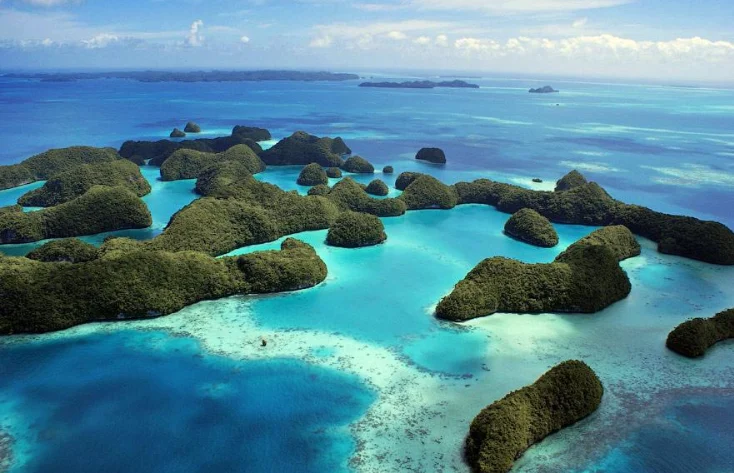
Palau’s economy relies heavily on tourism, fishing, and financial assistance from international partners. Tourism is particularly important because visitors travel from around the world to experience the country’s pristine beaches, vibrant coral reefs, and world-class diving sites. One of Palau’s most famous attractions is the Rock Islands, a collection of limestone islands covered with lush vegetation. These islands are known for their unique shapes, hidden lagoons, and spectacular underwater ecosystems.
The nation is often considered a global leader in environmental protection. Recognizing the importance of its marine resources, Palau has established large marine protected areas and implemented policies designed to preserve ocean biodiversity. The country was among the first in the world to promote responsible tourism practices aimed at protecting natural habitats for future generations. Conservation efforts have helped maintain healthy coral reefs and support numerous species of fish, turtles, sharks, and other marine animals.
Palauan culture places great value on family, community, and respect for traditional customs. Many cultural practices have been passed down through generations and remain an important part of everyday life. Traditional storytelling, dance, and ceremonies continue to play a role in preserving the nation’s heritage. English and Palauan are widely spoken, allowing communication between local communities and international visitors.
Historically, Palau experienced several periods of foreign rule before gaining full sovereignty. Following World War II, the islands became part of a United Nations trust territory administered by the United States. In 1994, Palau officially became an independent nation while maintaining a close relationship with the United States through a Compact of Free Association.
Education and healthcare services have improved steadily over the years, contributing to a relatively high standard of living compared with many other small island nations. However, like many Pacific countries, Palau faces challenges related to climate change, including rising sea levels and threats to marine ecosystems.
Today, Palau stands as a peaceful island nation known for its environmental leadership, breathtaking landscapes, and vibrant cultural traditions. Its combination of natural wonders, historical significance, and dedication to sustainability makes it one of the most unique countries in the Pacific region.