
Travel to Papua New Guinea

 4 photos
Papua New Guinea is a country located in the southwestern Pacific Ocean, occupying the eastern half of the island of New Guinea as well as hundreds of smaller islands. It lies just north of Australia and is part of the region known as Melanesia. The country is known for its extraordinary cultural diversity, dense rainforests, rugged mountains, and rich natural resources. Despite its challenges in development, Papua New Guinea is one of the most culturally complex nations in the world.
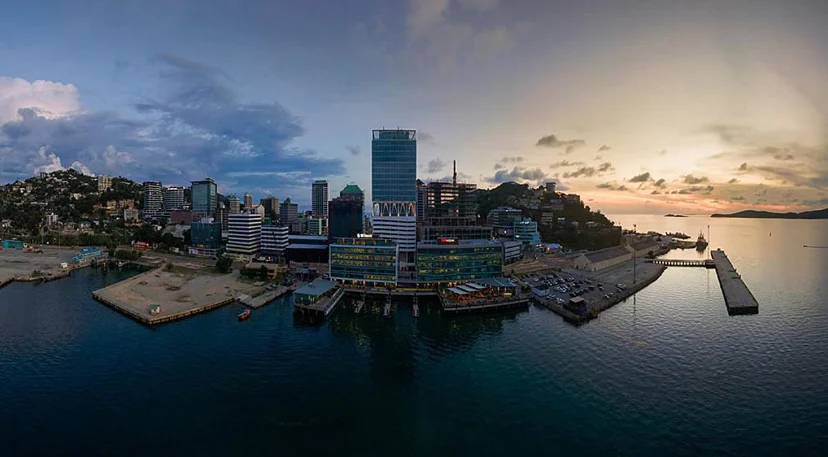
The capital city is Port Moresby, situated on the southeastern coast. Other important towns include Lae, Mount Hagen, and Madang. The country has a population of over nine million people, and it is home to more than 800 distinct languages, making it the most linguistically diverse country on Earth. Because of this diversity, English is one of the official languages, along with Tok Pisin and Hiri Motu, which are widely used for communication between different communities.
Papua New Guinea’s geography is highly varied. The mainland is dominated by mountain ranges, thick jungles, and fast-flowing rivers. Many areas are remote and difficult to access, which has helped preserve traditional ways of life in rural regions. The islands surrounding the mainland also feature volcanic landscapes, coral reefs, and tropical beaches. This combination of environments makes the country extremely rich in biodiversity, with many species of plants and animals found nowhere else in the world.
The economy of Papua New Guinea is based mainly on agriculture, mining, forestry, and fishing. A large portion of the population relies on subsistence farming, growing crops such as sweet potatoes, taro, bananas, and yams. At the same time, the country has significant natural resources, including gold, copper, oil, and natural gas. These resources contribute greatly to export earnings, although economic benefits are not evenly distributed across the population.
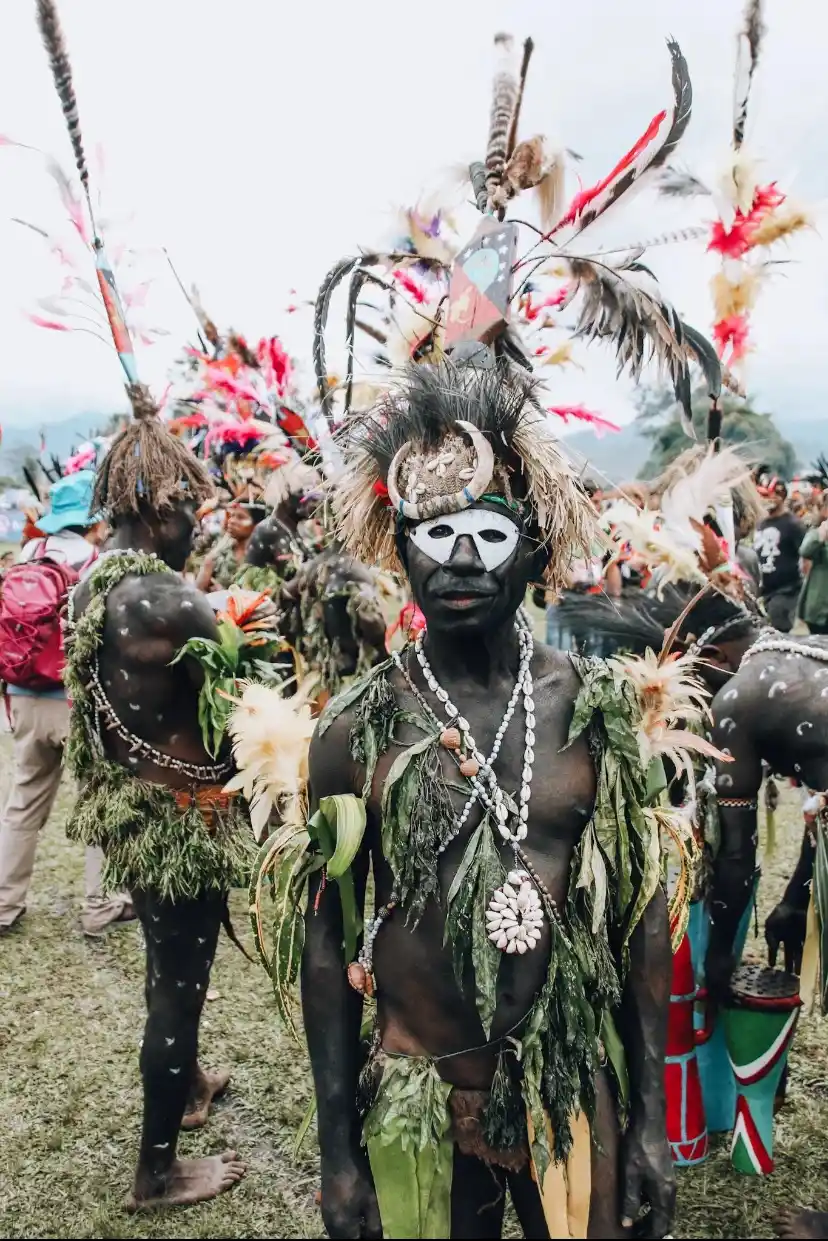
Culturally, Papua New Guinea is incredibly diverse. Each ethnic group has its own traditions, customs, and artistic expressions. Traditional music, dance, and storytelling are important parts of community life. Many villages hold cultural festivals known as “sing-sings,” where people gather to perform dances, wear elaborate costumes, and showcase their heritage. These events help preserve cultural identity and promote unity among different groups.
The country’s history includes thousands of years of indigenous settlement before European contact. In the late 19th and early 20th centuries, parts of the island were colonized by Germany, Britain, and later administered by Australia. Papua New Guinea gained independence in 1975 and has since developed its own democratic government while maintaining close ties with Australia and other Pacific nations.
Despite its natural wealth, Papua New Guinea faces several challenges. Infrastructure is limited in many rural areas, making access to healthcare, education, and transportation difficult. There are also concerns about environmental conservation, as logging and mining can threaten forests and wildlife. However, efforts are ongoing to improve development while protecting natural resources.
Tourism in Papua New Guinea is growing slowly but steadily. Visitors are attracted by its diving sites, hiking trails, and cultural experiences. The country’s remote and untouched landscapes appeal to travelers seeking adventure and authenticity.
Overall, Papua New Guinea is a nation of striking contrasts modern cities alongside traditional villages, vast natural wealth alongside development challenges, and incredible cultural diversity within a single country.