
Travel to Solomon Islands
 3 photos
The Solomon Islands is an island nation situated in the South Pacific Ocean, to the east of Papua New Guinea and northeast of Australia. It is part of the Melanesian region and consists of a long chain of nearly 1,000 islands, though only a portion of them are inhabited. The country is known for its remote location, lush tropical environment, and deep cultural diversity. Despite its relatively small population and limited land area, it has a rich historical background and significant ecological importance.
The capital and largest urban center is Honiara, located on the island of Guadalcanal. This city serves as the administrative, economic, and transportation hub of the country. Government offices, major markets, and seaports are concentrated there, making it the busiest area in the nation. Outside Honiara, most of the population lives in rural villages scattered across different islands, often along the coastline where access to fishing and transportation is easier.
The population of the Solomon Islands is a little under one million people, and the majority are of Melanesian descent. Life in the country is strongly community-based, with extended families playing a central role in daily living. Many communities maintain traditional village structures where decisions are made collectively, and customs guide social relationships.
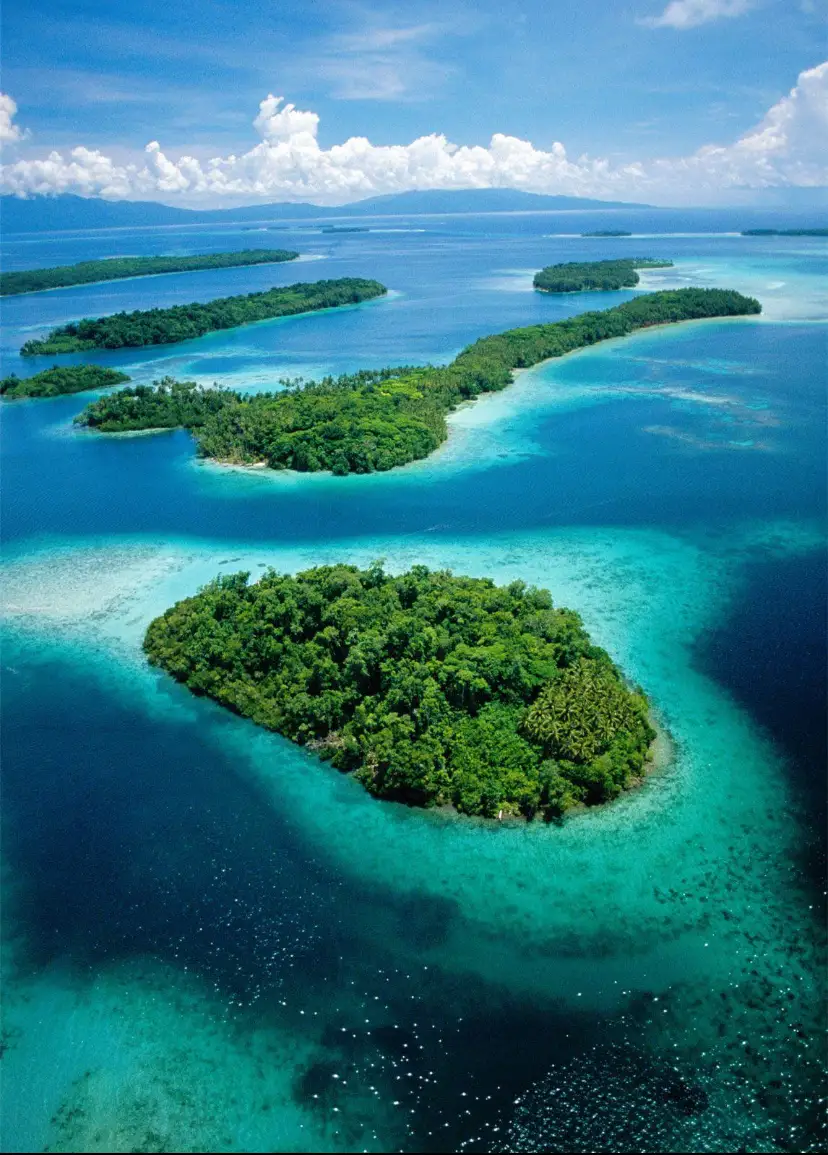
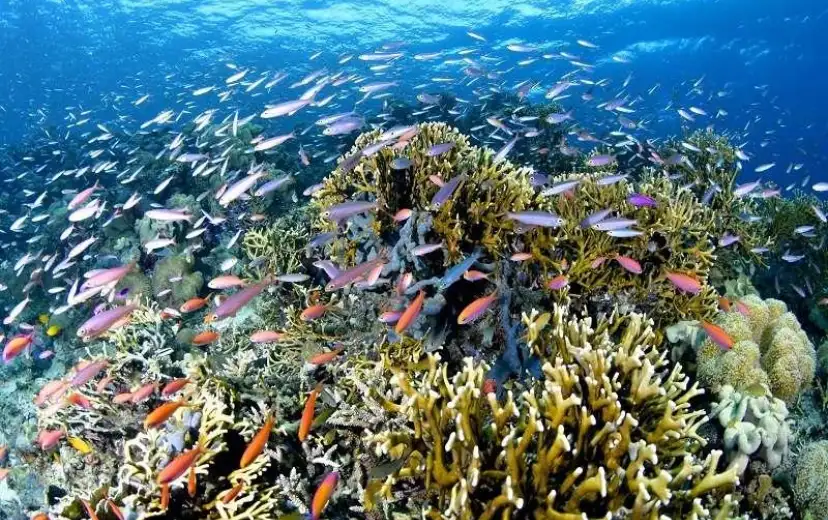
The geography of the Solomon Islands is varied and dramatic. Many of the islands were formed through volcanic activity, giving them mountainous interiors and fertile land. Thick rainforests cover much of the terrain, while rivers and waterfalls are common features inland. Along the coasts, mangrove forests, coral reefs, and white-sand beaches are widespread. The surrounding ocean is especially rich in marine life, making the country an important location for biodiversity.
The climate is tropical throughout the year, characterized by warm temperatures and high humidity. Rainfall is frequent and supports dense vegetation across the islands. However, the country is also exposed to environmental risks such as tropical cyclones, earthquakes, and the growing effects of climate change, including sea level rise and coastal erosion.
Culturally, the Solomon Islands is one of the most diverse nations in the Pacific. More than 70 languages are spoken across the islands, reflecting the wide variety of ethnic groups and local traditions. English is the official language, but many people communicate in Solomon Islands Pijin, a widely used creole language that helps bridge communication between different communities.
Traditional customs, often referred to locally as “kastom,” remain very important in everyday life. These customs influence everything from land ownership and leadership to marriage and conflict resolution. Music, dance, carving, and oral storytelling are key parts of cultural expression and are often performed during ceremonies and community gatherings.
The economy is based mainly on agriculture, fishing, forestry, and small-scale mining. Many families rely on subsistence farming, growing crops such as taro, yam, cassava, and coconut. Timber and fish exports contribute significantly to national income, although resource management remains a concern. Tourism is slowly expanding, with visitors attracted to diving sites, natural scenery, and historical locations linked to World War II.
One major historical moment for the country was the World War II campaign on Guadalcanal, which played a crucial role in the Pacific conflict. Today, remnants of that period, including shipwrecks and memorial sites, are still found across the islands and attract historians and tourists alike.
The Solomon Islands became independent from Britain in 1978. Since independence, it has operated as a parliamentary democracy while continuing to develop infrastructure, education, and healthcare systems. However, challenges such as geographic isolation, limited economic resources, and climate vulnerability continue to affect development.