
Travel to Tonga


 4 photos
Tonga is a Polynesian kingdom located in the southern part of the Pacific Ocean. It is made up of a long chain of over 170 islands, stretching across a wide area of ocean, although only a small number of these islands are inhabited. The country sits east of Fiji and south of Samoa, forming part of the wider Pacific island region known for its remote geography and ocean-based lifestyles. Tonga is especially unique in the Pacific because it has preserved its monarchy and cultural systems while maintaining its independence throughout most of its modern history.
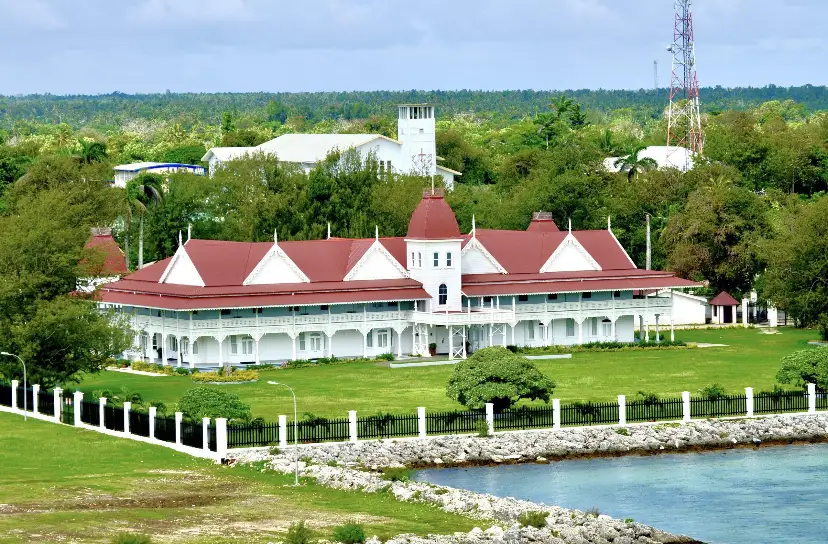
The national capital is Nukuʻalofa, which is located on Tongatapu, the largest and most populated island. This city is the center of government and national administration, as well as the main hub for trade, transport, and services. Many of the country’s institutions are based there, including offices, markets, and ports. Outside the capital, settlements are much smaller, with many people living in coastal villages that depend on the sea and land for daily survival.
Tonga has a population of just over one hundred thousand people, making it one of the smallest countries in the Pacific region. Most Tongans belong to a shared Polynesian heritage, and social life is strongly shaped by family relationships. Households are often extended, with multiple generations living close together and supporting one another in everyday responsibilities.
The physical landscape of Tonga varies from island to island. Some areas are volcanic, featuring hills, fertile soil, and lush vegetation, while others are low-lying coral islands with flat terrain and sandy shores. The surrounding ocean plays a central role in shaping life in Tonga, providing food, transport routes, and economic opportunities. Coral reefs, lagoons, and clear waters are common features along the coastline.
Tonga experiences a warm tropical climate throughout the year. Temperatures remain fairly consistent, but rainfall patterns shift between wetter and drier periods. The country is frequently affected by natural hazards such as cyclones and earthquakes. In addition, rising sea levels linked to global climate change present a serious concern, especially for low-lying islands and coastal communities.
Culture in Tonga remains deeply rooted in tradition. Respect for authority, elders, and family structure is an important part of everyday life. The country is a constitutional monarchy, and the royal family continues to hold cultural importance and national influence. Traditional customs are preserved through ceremonies, dance, and music, which are commonly performed during celebrations, church events, and community gatherings.
The Tongan language is the main language spoken across the islands, while English is also widely used in schools, government, and formal communication. Cultural expression plays a major role in identity, with traditional dances, songs, and handcrafted goods helping to preserve heritage and pass it on to younger generations.
Economically, Tonga operates on a relatively small scale. The main activities include farming, fishing, tourism, and financial support from Tongans living overseas. Many families grow crops such as taro, coconuts, yams, and bananas, both for home use and local trade. Remittances from abroad contribute significantly to household incomes and the national economy. Tourism is gradually increasing, especially for visitors interested in marine life, cultural experiences, and whale watching.
Historically, Tonga is notable for remaining largely independent during the colonial era, unlike many other Pacific islands. This allowed it to retain its traditional governance structures while gradually adopting modern political systems.
Today, Tonga continues to develop while maintaining its cultural identity. Although it faces challenges such as limited land area, economic constraints, and environmental vulnerability, it remains a proud and closely connected island nation with a strong sense of tradition and community life.
Hotels in Tonga
 Hike in ʻEua National Park
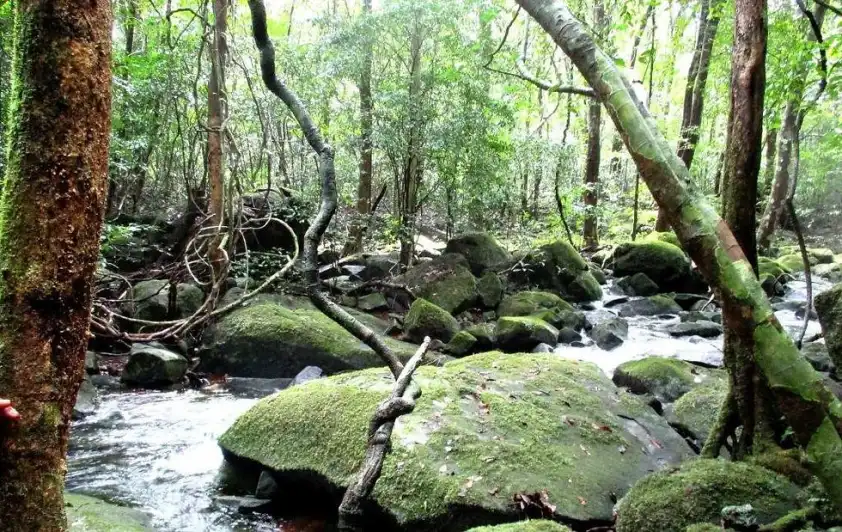
ʻEua National Park is a protected rainforest and coastal wilderness on the island of ʻEua in Tonga. Established in 1992, it is the country's only national forest park and is celebrated for its rugged cliffs, ancient forest, and rich biodiversity, making it one of Tonga's premier destinations for hiking and nature-based tourism. The park covers about 4.51 km² along the island's east coast, protecting an approximately 800-meter-wide band of tropical rainforest. Dramatic limestone cliffs overlook the Pacific Ocean, while caves, chasms, and dense vegetation create a landscape that is very different from the low-lying coral islands commonly associated with Tonga. Well-marked hiking trails wind through rainforest, leading to viewpoints over the coastline and access to notable natural features such as caves and lookouts. The park is widely regarded as offering some of Tonga's best hiking, with opportunities for guided or independent walks that showcase the island's unique geology, flora, and wildlife.
 Swallows Cave
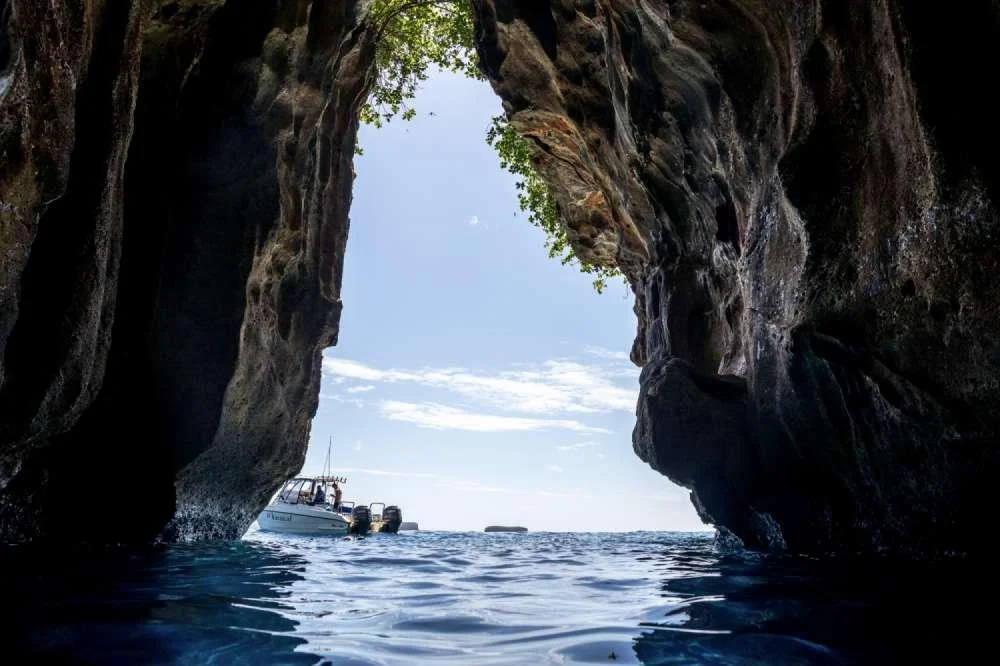
Swallows Cave is a coastal sea cave carved into the cliffs of Kapa Island in the Vavaʻu island group of Tonga. It is one of the region's best-known natural attractions, celebrated for its striking blue water, limestone formations, and excellent snorkeling and diving opportunities, particularly when afternoon sunlight illuminates the cave's interior. The cave has a wide, surface-level entrance, allowing boats, kayaks, swimmers, and snorkelers to enter without diving underwater. Inside, visitors find a spacious chamber with limestone walls, stalactites, and clear turquoise water. Schools of fish frequently gather in the sheltered waters, making it a favorite stop for underwater photography and marine-life viewing. Because the entrance faces west, the late afternoon is widely regarded as the best time to visit, when sunlight creates vivid reflections and highlights the rock formations. Most visitors reach Swallows Cave by boat tour or kayak from Neiafu or nearby anchorages, and many sightseeing cruises around the Vavaʻu archipelago include it as part of a day exploring beaches, reefs, and neighboring islands. Calm sea conditions are preferred for swimming and snorkeling, while experienced divers also visit the site, including for occasional night dives when conditions are suitable.
 See the Haʻamonga ʻa Maui,
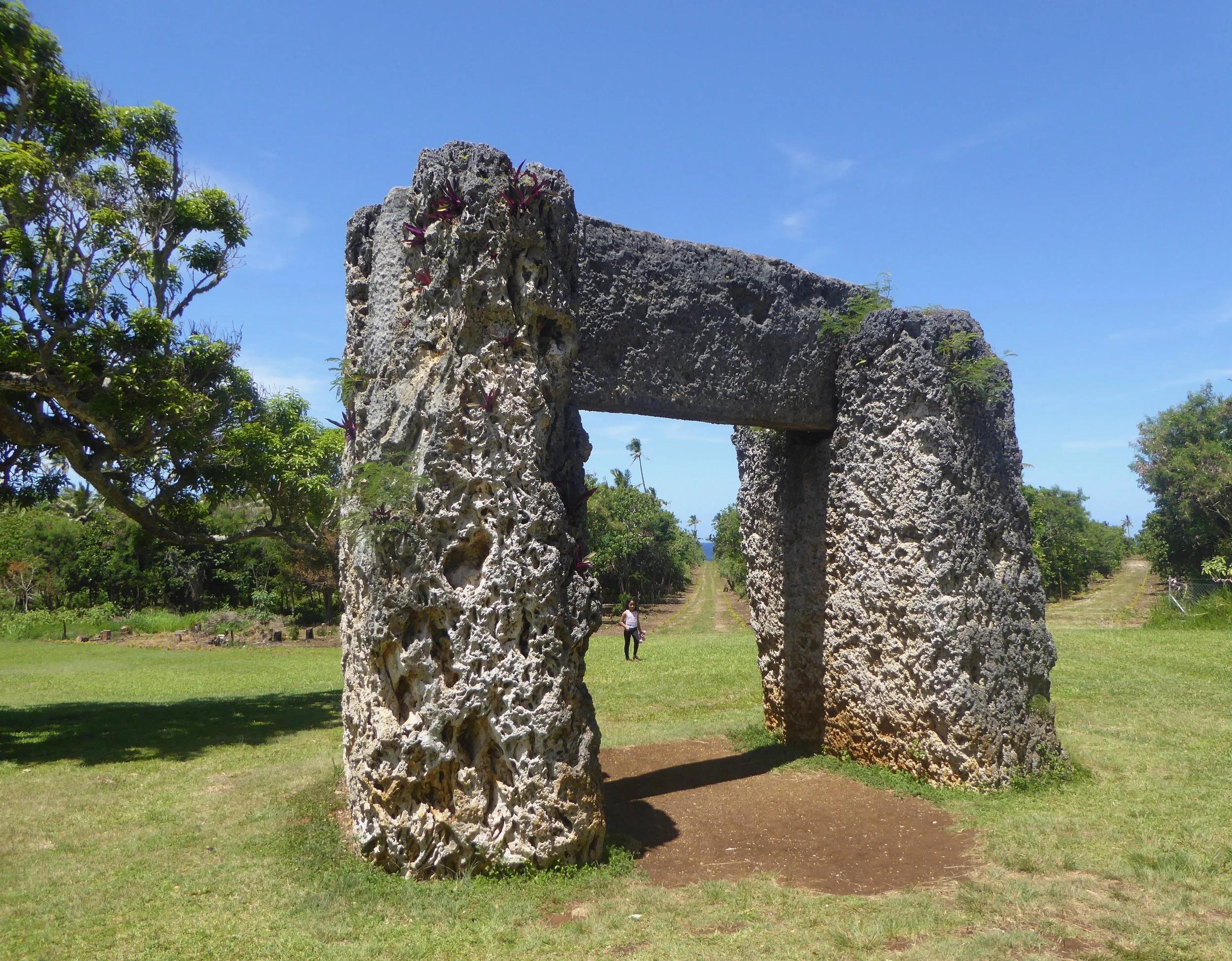
Haʻamonga ʻa Maui is an ancient stone trilithon on the island of Tonga, in the Heketā area near the village of Niutōua on Tongatapu. Built around the 13th century, it is one of Polynesia's best-known megalithic monuments and is often nicknamed the "Stonehenge of the Pacific" because of its monumental form and enduring mystery. Most historians attribute the monument to King Tuʻitātui (Tuitātui), who is believed to have commissioned it around 1200 CE as part of the royal center at Heketā. Traditional accounts say it honored his two sons, symbolized by the two upright stones joined by the lintel above. Earlier oral traditions instead credit the Polynesian culture hero Māui, whose legendary strength was said to have made moving the enormous stones possible. The exact function of Haʻamonga ʻa Maui remains uncertain. Archaeologists generally view it as part of the entrance to the ancient royal compound at Heketā, while some researchers and Tongan traditions have proposed that it also served an astronomical role, marking the position of the rising sun at solstices and equinoxes. That interpretation remains debated and is not universally accepted.
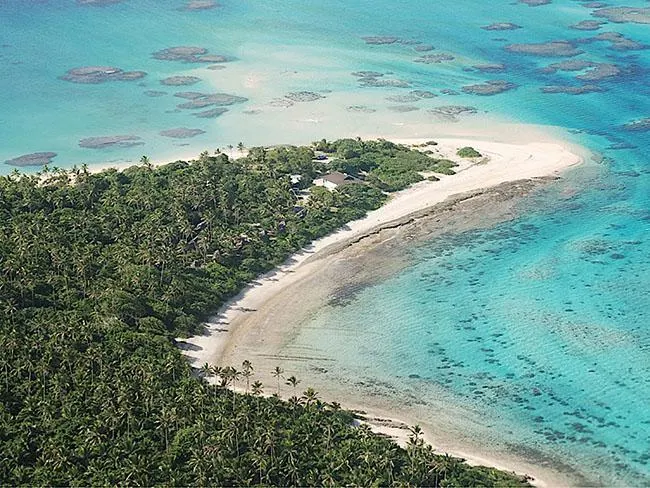 Experience the remote beauty of Haʻapai
Haʻapai is a central island group in the Kingdom of Tonga, made up of dozens of coral and volcanic islands scattered across the South Pacific. It is known for its quiet villages, pristine beaches, rich marine life, and relatively low levels of tourism, making it one of Tonga's most tranquil and culturally traditional regions. Haʻapai consists of more than 60 islands, with only a fraction permanently inhabited. Lifuka serves as the administrative center and is connected by a causeway to neighboring Foa Island. The archipelago combines low-lying coral islands with volcanic islands, creating varied landscapes that include lagoons, white-sand beaches, and fertile volcanic terrain. The surrounding waters support coral reefs, tropical fish, sea turtles, and seasonal migrations of humpback whales, which visit Tonga between roughly July and October. Popular activities include snorkeling, scuba diving, kayaking, sailing, and exploring quiet beaches that often have few visitors compared with more developed Pacific destinations.