
Travel to Bolivia

 4 photos
Bolivia (officially the Plurinational State of Bolivia) is a landlocked country in central South America, known for its high-altitude landscapes, Indigenous cultures, and diverse geography. Bolivia has one of the highest proportions of Indigenous peoples in the Americas. Traditional festivals, colorful textiles, and Indigenous languages remain an important part of daily life. Bolivia was part of the Inca Empire before Spanish colonization. It gained independence in 1825 and was named after Simón Bolívar, often called one of South America's most geographically and culturally diverse countries. Despite being landlocked, it contains everything from snow-capped mountains to tropical rainforest. Bolivia is often considered one of the most culturally authentic and naturally diverse destinations in South America, offering everything from ancient ruins and Indigenous traditions to vast salt flats and Amazon rainforest. Before European arrival, much of present-day Bolivia was part of the Tiwanaku Civilization and later the Inca Empire. The Spanish conquered the region in the 16th century and discovered enormous silver deposits at Potosí.
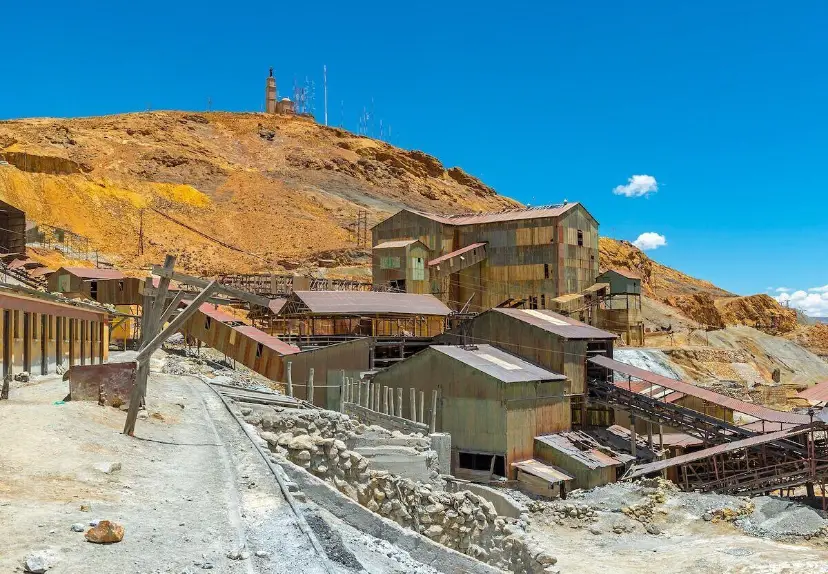
During the colonial era, Potosí became one of the richest cities in the world. Silver extracted from its mines helped finance the Spanish Empire for centuries, though Indigenous and enslaved workers paid a heavy human cost.
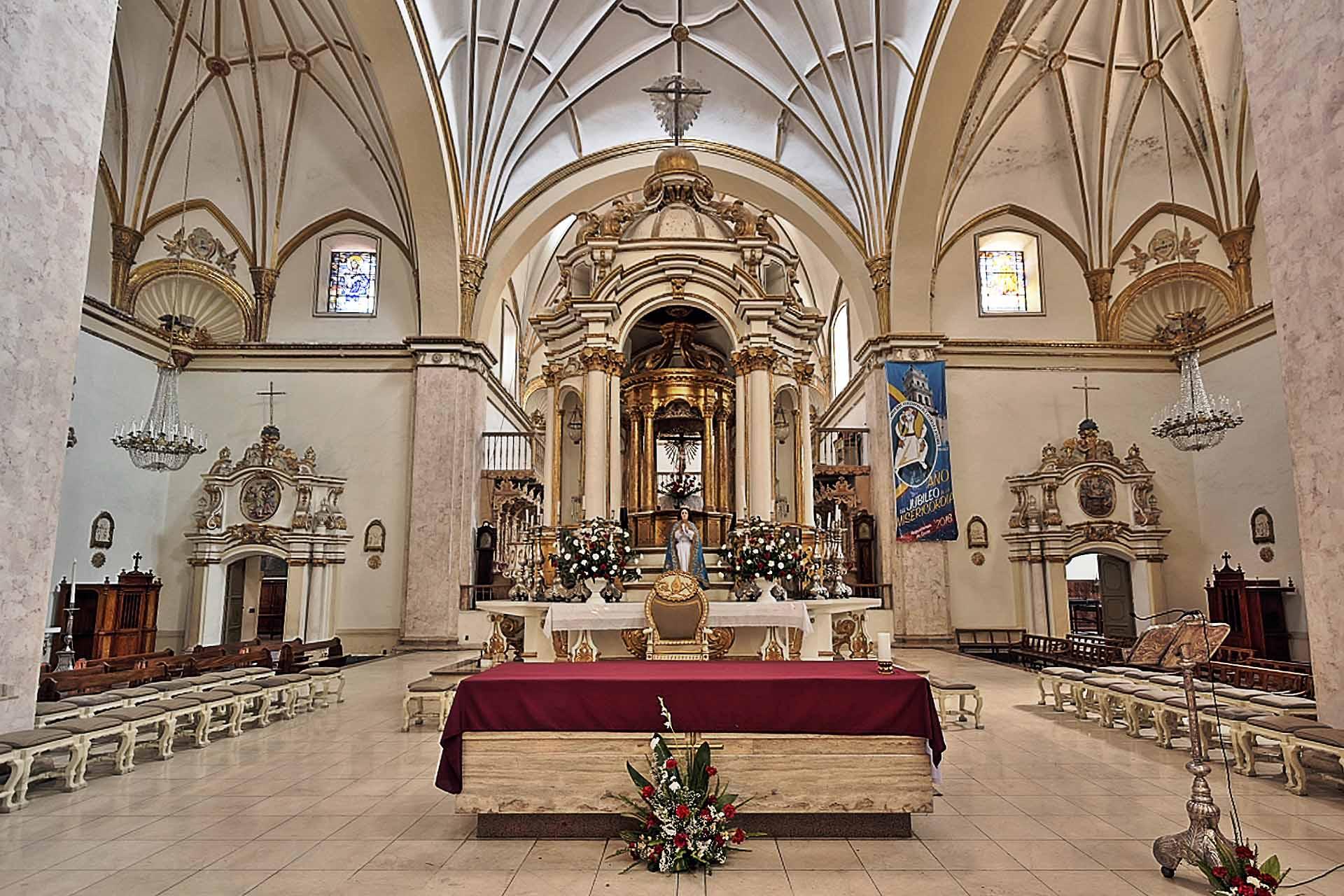
Bolivia gained independence in 1825 and was named after Simón Bolívar. Most Bolivians identify as Christian, particularly Roman Catholic. However, Indigenous spiritual traditions remain influential and are often blended with Christian practices.
Many people honor Pachamama, a traditional Andean figure associated with the Earth and fertility.