
Travel to Uruguay

 4 photos
Uruguay is a small but prosperous country located in the southeastern part of South America. It is bordered by Brazil to the north and east, Argentina to the west, and the Atlantic Ocean to the southeast. Despite being one of the smallest countries on the continent, Uruguay is known for its stable democracy, high quality of life, and rich cultural heritage. The country covers an area of about 176,000 square kilometers and has a population of approximately 3.5 million people.
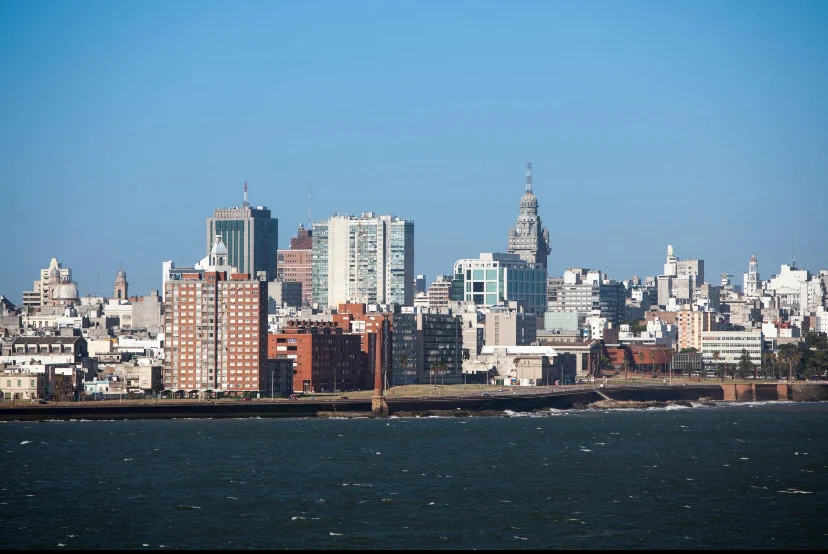
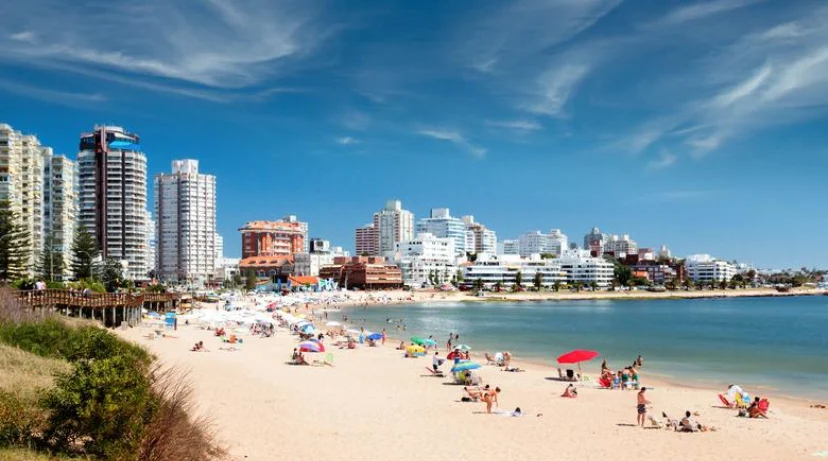
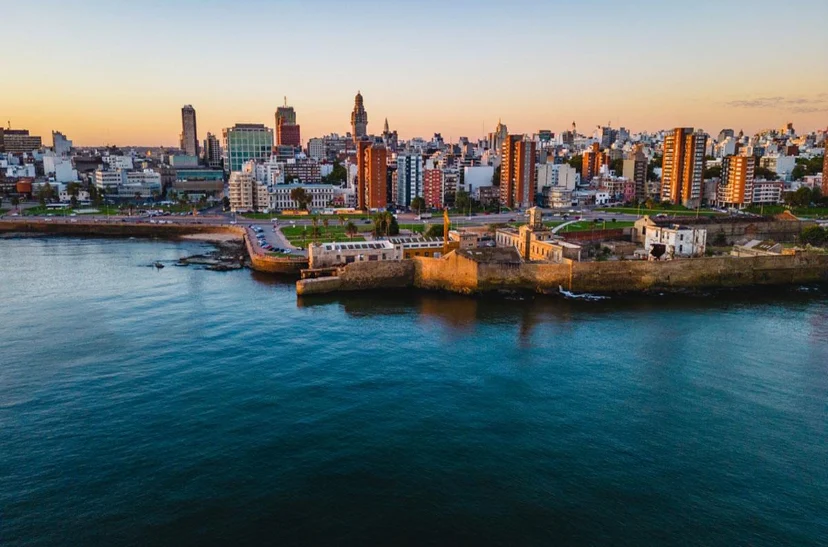
The capital and largest city of Uruguay is Montevideo, which is home to nearly half of the country’s population. Montevideo is the political, economic, and cultural center of Uruguay. The city is famous for its beautiful beaches, historic neighborhoods, lively markets, and vibrant arts scene. It is also one of the safest and most livable cities in Latin America.
Uruguay gained its independence in 1828 after years of conflict involving Spain, Portugal, Brazil, and Argentina. Since then, the country has developed strong democratic institutions and is often regarded as one of the most politically stable nations in South America. Uruguay is known for its respect for human rights, freedom of speech, and progressive social policies. It was among the first countries in the region to introduce social welfare programs and has consistently ranked highly in measures of democracy and transparency.
The geography of Uruguay is characterized by gently rolling plains, fertile farmland, rivers, and an extensive coastline along the Atlantic Ocean. Unlike many of its neighboring countries, Uruguay does not have large mountain ranges. The country’s mild climate and fertile soil make it ideal for agriculture and livestock farming. As a result, agriculture plays a significant role in the economy, with beef, soybeans, rice, dairy products, and wool being among its major exports.
Uruguayan culture is a blend of European and Latin American influences, particularly from Spain and Italy. Music and dance are important aspects of life, with tango and candombe being especially popular. Candombe, a musical tradition with African roots, is recognized by UNESCO as an important cultural heritage of humanity. Football is the country’s most popular sport, and Uruguay has a proud football history. The national team won the first-ever FIFA World Cup in 1930 and claimed another title in 1950, establishing itself as one of the sport’s historic powerhouses.
Uruguay is also famous for its cuisine. Beef is a staple of the national diet, and traditional barbecues known as asados are a cherished social activity. Another iconic drink is Mate, a herbal infusion enjoyed throughout the country. Visitors often notice Uruguayans carrying a thermos and a mate gourd wherever they go.
In recent years, Uruguay has diversified its economy by investing in technology, renewable energy, tourism, and financial services. The country is also recognized for its commitment to environmental sustainability and clean energy production.
In conclusion, Uruguay is a peaceful and progressive nation with a rich history, strong democratic values, beautiful landscapes, and a vibrant culture. Although small in size, it has made a significant impact in South America and continues to be admired around the world for its stability, openness, and quality of life.