
Travel to Venezuela
 4 photos
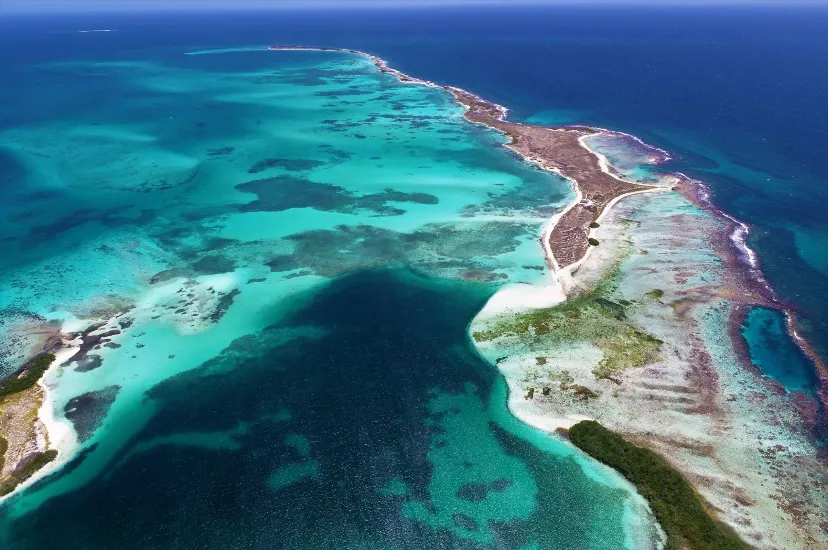
Venezuela is a country located on the northern coast of South America. It is bordered by Colombia to the west, Brazil to the south, Guyana to the east, and the Caribbean Sea to the north. Venezuela covers an area of approximately 916,000 square kilometers and has a population of over 28 million people. The country’s strategic location along the Caribbean coast and its abundant natural resources have made it one of the most important nations in South America.
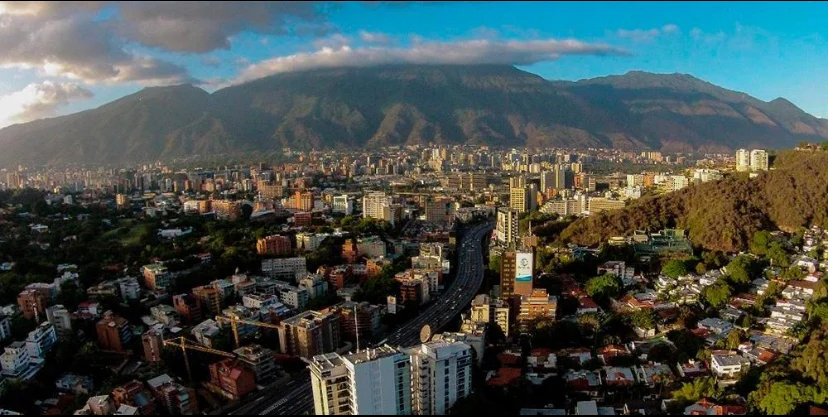
The capital and largest city of Venezuela is Caracas. Situated in a mountain valley near the Caribbean coast, Caracas serves as the political, economic, and cultural center of the country. It is known for its modern architecture, museums, universities, and vibrant urban life. Other important cities include Maracaibo, Valencia, and Barquisimeto, which contribute significantly to the country’s economy and culture.
Venezuela gained independence from Spain in 1821 under the leadership of Simón Bolívar, one of Latin America’s greatest independence heroes. Bolívar played a crucial role in liberating several South American countries from Spanish rule and is widely regarded as a national hero. Following independence, Venezuela experienced periods of political instability before developing into a major oil-producing nation during the twentieth century.
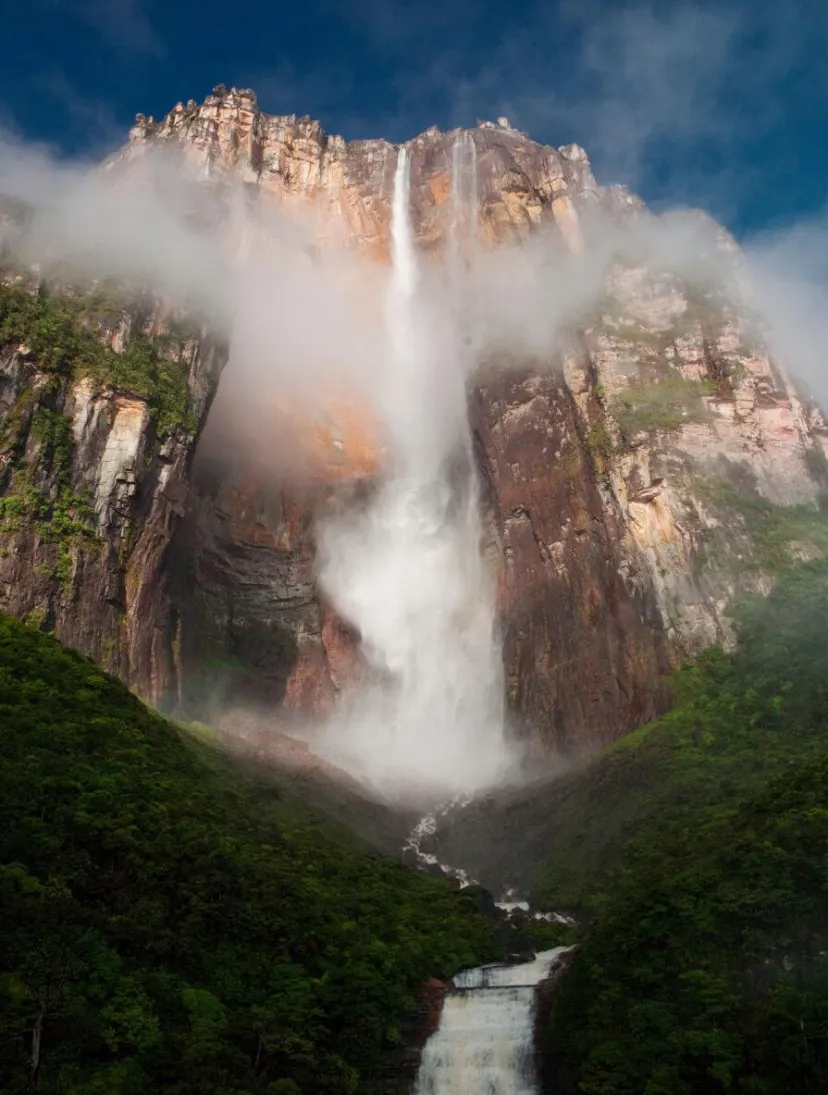
One of Venezuela’s greatest strengths is its natural beauty. The country has diverse landscapes that include beaches, mountains, plains, rainforests, and islands. It is home to Angel Falls, the tallest uninterrupted waterfall in the world, with a height of 979 meters. Angel Falls is located within Canaima National Park, a UNESCO World Heritage Site famous for its spectacular table-top mountains known as tepuis. Venezuela also possesses part of the Amazon rainforest, which contains a remarkable variety of plant and animal species.
The economy of Venezuela has historically depended heavily on oil. The country possesses some of the largest proven oil reserves in the world, and petroleum has long been its primary export. Oil revenues contributed to economic growth and modernization for many decades. In recent years, however, Venezuela has faced significant economic challenges, including high inflation, shortages of goods, and a decline in oil production. Despite these difficulties, agriculture, mining, and tourism continue to play roles in the nation’s economy.
Venezuelan culture is a vibrant blend of Indigenous, African, and European influences. Music and dance are central to everyday life, with styles such as joropo being especially popular. Venezuelan cuisine is also diverse and flavorful. Traditional dishes include arepas, pabellón criollo, and empanadas. Festivals, religious celebrations, and family gatherings are important aspects of Venezuelan society and help preserve the country’s rich cultural traditions.
In conclusion, Venezuela is a nation of immense natural wealth, cultural diversity, and historical significance. From the bustling streets of Caracas to the breathtaking beauty of Angel Falls and the Amazon rainforest, Venezuela offers a unique blend of landscapes and traditions. Although the country faces economic and social challenges, it remains an important and influential nation in South America with a rich heritage and enormous potential for the future.